

- Our products
-
 My account
-
 Cart
Cart





Connexion
Create an account
Create an account
Connexion

Lore&Science's blog
Discover our range of health supplements specially formulated to support the well-being of dogs, cats, and horses, helping maintain their vitality, mobility, and overall balance every day
-
 Default
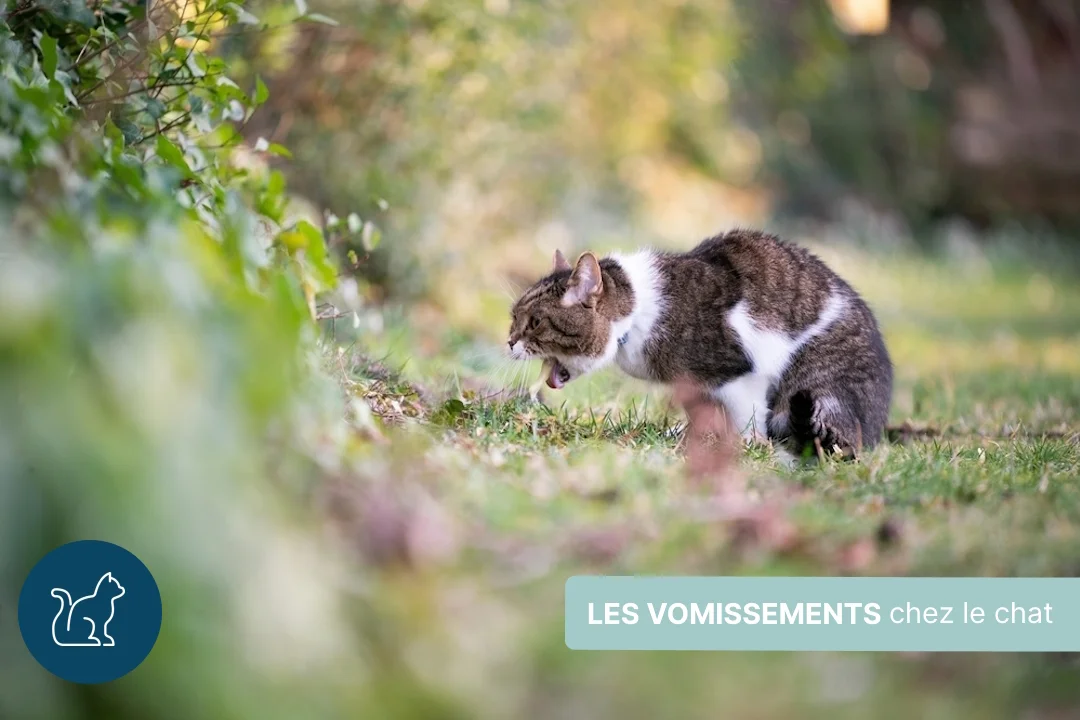
Vomiting in cats: what to do?
21 April 2025
Read moreVomiting is often part of a cat owner's daily routine. However, while occasional vomiting may be normal, frequent or persistent vomiting may indicate an underlying problem. In this article, Lore & Science's specialists take a closer look at the possible causes of vomiting in cats, as well as treatments and precautions to avoid it.
Distinguishing between regurgitation and vomiting in cats
Vomiting, theforced expulsion of stomach contents through the mouth, can occur in cats for a variety of reasons. It should not be confused with regurgitation, which is the passive expulsion of food or liquid from the esophagus without abdominal effort. Vomiting in cats falls into two main categories: acute and chronic.
What causes acute vomiting in cats?
Acute vomiting occurs suddenly and can be the result of several triggers. In these situations, it may be a reaction to the hasty ingestion of food, a relatively common behavior in greedy cats. They devour their meal so enthusiastically that they don't give their stomach the time it needs to perform its digestive task, triggering a vomiting reflex. However, acute vomiting can also be the consequence of more serious problems such asfood intolerance,ingestion of toxic substances, or gastrointestinal infections caused by bacteria, viruses or parasites.
What causes chronic vomiting in cats?
Chronic vomiting, on the other hand, is usually a sign of underlying medical problems. Vomiting persists over an extended period and is not related to a specific situation. Causes can include gastrointestinal diseases such as gastritis or inflammatory bowel disease (IBD), as well as systemic disorders such aschronic renal failure, diabetes or liver disease. Other factors such as eating disorders, stress or heart problems can also contribute to this phenomenon.
How to treat cat vomiting
Treatment of vomiting depends on the underlying cause. Care should therefore be taken. In cases of acute vomiting caused by rapid food ingestion, food intolerance or toxins, it may be sufficient to fast the cat for 12 to 24 hours, followed by gentle reintroduction of food in small quantities.
However, for persistent or chronic vomiting, a visit to the vet is necessary to establish an accurate diagnosis.Self-medicating or ignoring chronic vomiting in your cat can lead to serious complications, so treatment of vomiting should always be professionally supervised to ensure your pet's safety and well-being. Your veterinarian will perform a thorough physical examination, take into account your cat's medical history and may recommend diagnostic tests such as blood tests, X-rays or ultrasound to determine the underlying cause of vomiting.
The first step is to treat the symptoms of vomiting. The main problem is often dehydration. Hospitalization for intravenous rehydration may be necessary, to help restore electrolyte balance and maintain the animal's general health. Once the cause of vomiting has been identified, your veterinarian will draw up a specific treatment plan. He may recommend a change of diet in the case of food intolerance, or prescribe antibiotics, anti-inflammatories or antiemetics in the case of infection or gastrointestinal disease. Note that stress can be a trigger for vomiting in cats. If the vet identifies stress as a contributing factor, stress management methods such as the use of soothing pheromones, environmental modifications or relaxation techniques may be advised.
Finally, it's essential to schedule regular follow-up visits to the vet to assess response to treatment and make adjustments if necessary.
How can I prevent cats from vomiting?
As you can see, vomiting in cats is a symptom to be taken seriously, as it can reveal serious underlying health problems. However, in some cases, simple preventive measures can be put in place on a daily basis to limit the risk of avoidable vomiting.
A special focus on food
Food is often the first source of acute vomiting. So opt for a quality food that offers better nutrition and is easier to digest, thus reducing the risk of gastrointestinal upset. If you plan to change your cat's food, do so gradually over several days to allow his digestive system to adapt smoothly.
In all cases, avoid prolonged periods of fasting, as this can lead to a build-up of gastric bile. If your cat has a tendency to fast, try offering him his meals in instalments. This will further reduce the load on his stomach. Finally, make sure your cat always has access toclean, fresh water to prevent dehydration.
A healthy, adapted environment
The environment is also a major source of vomiting. A few easy precautions can greatly improve your feline's life. First of all, keep your home free of plants that are toxic to cats. Also, be aware of potentially toxic plants in your feline's territory if he has access to the outdoors.
Next, make sure you provide a reassuring and soothing environment for your pet. As explained above, stress can be a source of vomiting. Access to quiet places where your cat can rest is essential.
Finally, hairballs can cause recurrent vomiting in cats, even leading to intestinal obstruction. If this is the case for your companion, brush him regularly to reduce the amount of hair he swallows when licking, and consider using specific products, such as malt-based pastes, to help eliminate hairballs.
In all cases, avoid self-medication, which can aggravate your pet's health problems, and never give your cat human medication without the advice of your vet.
By following these few tips and remaining attentive to your cat's health, you can help minimize the risk of vomiting. However, if your pet experiences frequent, severe or persistent vomiting, consult your veterinarian immediately, as this may be a sign of an underlying health problem that requires professional assessment and appropriate treatment.
Share your experience or questions with us in the comments ↓
-
 Default
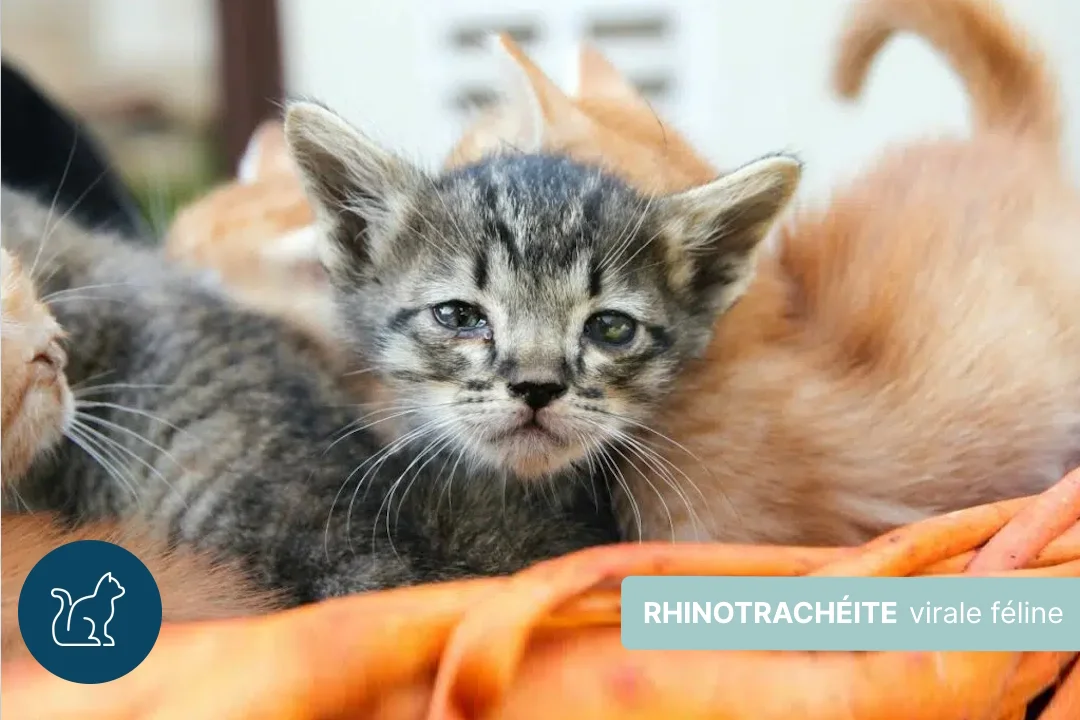
Feline viral rhinotracheitis (coryza), the complete guide
21 April 2025
Read moreCat rhinotracheitis, also known as feline coryza, is one of the common ailments that can affect our companions. In this comprehensive article, Lore & Science tells you all you need to know about feline rhinotracheitis: its causes, symptoms, diagnostic methods and treatment options.
What is feline viral rhinotracheitis, or coryza?
Feline rhinotracheitis is a respiratory disease caused mainly by infection with two pathogens: feline herpes virus (FHV-1) and feline calicivirus (FCV). These viruses, the real drivers of the disease, have the ability to spread throughout the feline population. Their mode of transmission is varied, and includes nasal secretions, eye discharge, saliva laden with viral particles, and close physical contact between cats.
What are the symptoms of cat rhinotracheitis?
Coryza is characterized by characteristic clinical signs. Cats suffering from rhinotracheitis frequently present sneezing episodes, accompanied by a nasal discharge, sometimes clear, sometimes purulent.Irritation of the respiratory tract also leads to coughing, whether dry or productive. These symptoms are often accompanied by inflammation of the eyes, known as conjunctivitis, which manifests itself as eye discharge and can even lead to the formation of corneal ulcers. Cats may also drool or discharge excessive amounts of saliva. In response to the viral infection, your cat may also develop a fever, which should prompt you to consult your veterinarian immediately.
From a behavioral point of view, the symptoms of rhinotracheitis can disrupt a cat's appetite, leading to reduced food intake and worrying weight loss. Reflecting their altered state of health and malaise, cats will tend towards general lethargy.
All these symptoms should raise your alarm immediately. Call your vet, who will be able to make a precise diagnosis and prescribe the right treatment for your feline.
How to treat viral rhinotracheitis in cats?
The main aim of treatment is to alleviate the animal's distressing symptoms and prevent possible complications. Depending on the severity of the infection, several therapeutic approaches are available. In all cases, to avoid the spread of infection, it is imperative to keep the infected cat isolated from other cats during the contagious period.
Although cat rhinotracheitis is viral in origin, it's not uncommon for a secondary bacterial infection to develop in parallel. In such cases, antibiotics may be prescribed by the vet. These drugs are designed to eliminate the bacterial infection and reduce the workload on the cat's immune system. In the most serious situations, and for very aggressive viral infections, veterinarians may opt toadminister antivirals. The aim of these drugs is to reduce the viral load, thus limiting the spread of the virus within the cat's body. They also promote faster recovery.
Can coryza be prevented in cats?
Prevention is the best weapon against cat rhinotracheitis, as it considerably reduces the risk of contagion. One of the first lines of defense against rhinotracheitis is vaccination. Specific vaccines against feline herpes virus and feline calicivirus are available and highly recommended for cats, especially kittens. Be sure to keep your cat's booster shots up to date, as the protection offered by vaccines can diminish over time.
From an environmental point of view, a clean environment is an effective barrier to virus transmission. Make sure you regularly clean your cat's litter box, food and water bowls, and any surfaces frequently touched by you or your pet. On a daily basis, avoid contact with stray or unknown cats. These felines can carry the virus, and any direct or indirect contact with them can potentially expose your cat to infection.
In conclusion, cat rhinotracheitis is a serious condition, but with a rigorous preventive approach, you can greatly reduce the risks to your four-legged friend. Vaccination, meticulous hygiene,isolation of infected cats and limiting outside contact are all crucial measures to ensure your cat's health and well-being, keeping it as free as possible from this viral respiratory disease.
Share your experience or questions with us in the comments ↓
-
 Horse advice
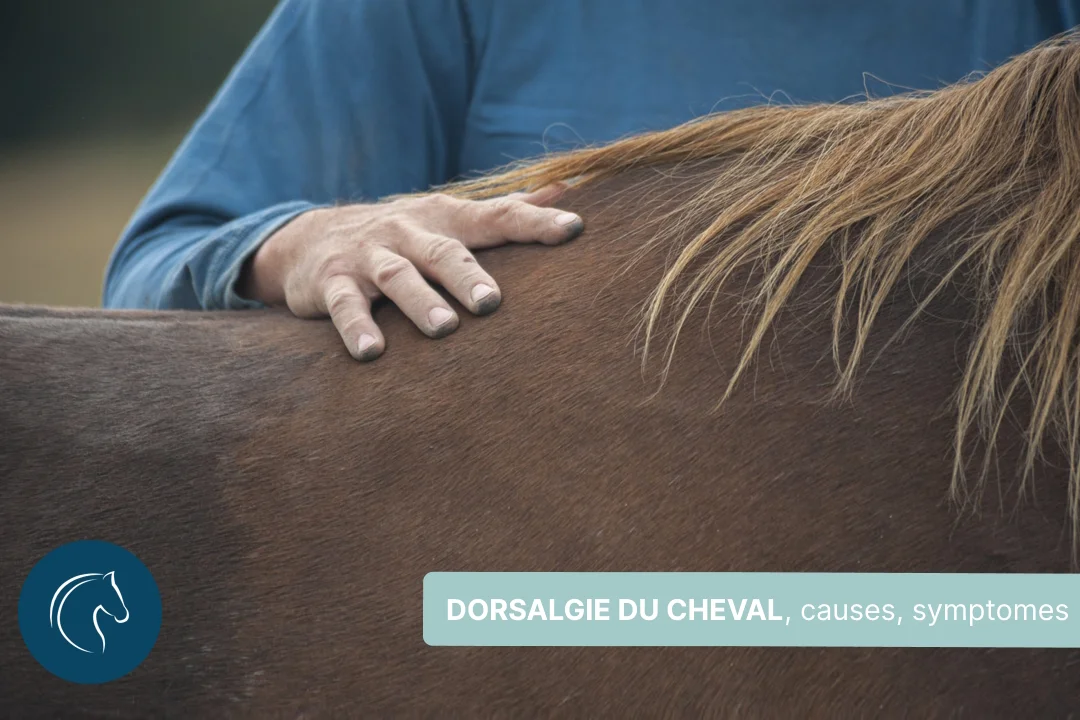
Horse back pain: causes, symptoms and treatments
21 April 2025
Read moreBack pain in horses, also known as back pain, is a common problem that can cause pain anddiscomfort, as well as performance problems. In this article, we'll look at the causes of back pain in horses, the symptoms to watch out for, and the treatments available to help your horse regain his health and well-being.
What causes back pain in horses?
In most cases, back pain is caused by riding and using the horse. Of course, it is also possible that the horse is naturally susceptible to back problems, due to its morphology or genetics. Nevertheless, the causes of back pain are often external.
The horse's back pain can be caused by a poorly fitted or poor quality saddle, which causes friction and pressure. It can also be caused by improper work with a tendency to work with a hollow back. This leads to pinching of the thoracic vertebrae and friction of their extremities, the spinous processes. The weight and balance of the rider also play an important role in the health of the horse's back. Finally, a horse that is put to work too young, before its skeleton is fully developed, will have a greater tendency to suffer from back pain throughout its life.
There are other reasons that can lead to back pain in horses. Injuries and falls, for example, are common causes of back pain in horses. A horse that falls or suffers a significant impact can damage the muscles, ligaments or vertebrae in its back, which can lead to pain and stiffness. Similarly,incorrect posture, dental problems or poor physical conformation can put undue pressure on the back muscles.
Therefore, always consult your veterinarian if you suspect back pain in your horse or mare. He or she will make the right diagnosis and suggest the most appropriate treatment.

What are the signs of back pain?
First, it is common for signs of back pain in horses to be mistaken for behavioral problems. Signs of aggression or reluctance to groom, saddle or girth can be indicators of pain.
If your hand or the brush passes over your horse's back and your horse arches its back and tries to avoid contact, it is certainly a sign of back pain. Then check for any abnormal areas of heat that may appear.
When working, a horse with back pain will show stiffness, decreased performance or apprehension when jumping. In general, horses will then tend to dig in their backs and have difficulty engaging. Defensive problems, such as jumping or bucking, are also symptoms to consider.
If your horse shows these symptoms, don't hesitate to call your veterinarian for a more thorough examination.
How to relieve back pain in horses?
Finally, for daily comfort and to prevent recurrence of back pain, adjustments to the saddle, girth and overall adaptation of the equipment are essential.
Tips to avoid back pain in horses
As explained above, back pain is often caused by improper riding, equipment or work of the horse. It is therefore possible to prevent back pain, lower back pain or neck problems in most cases.
Preventive measures may include:
- a well-fitting saddle adapted to the horse's morphology
- proper riding posture and technique
- regular training to strengthen the animal's back and abdominal muscles
- regular health checks to detect potential problems before they become more serious
- regular dental care to prevent dental pain that can affect the horse's posture and balance.
By following these recommendations, you can help reduce your horse's risk of back pain and ensure a more comfortable life.
In conclusion, back pain in horses is a common problem that can have many causes and symptoms. It is important to diagnose the underlying cause of the pain to develop an appropriate treatment plan and prevent potential future problems. Preventive measures, such asa well-fitting saddle, proper riding technique and regular dental care, can help reduce the risk of back pain in horses.
By working closely with a veterinarian or equine specialist, you can help your horse return to comfort and optimal performance. Remember, prevention is always better than cure, so be sure to take the necessary steps to maintain your horse's health and well-being.
Share your experience with us in the comments ↓
-
 Horse advice
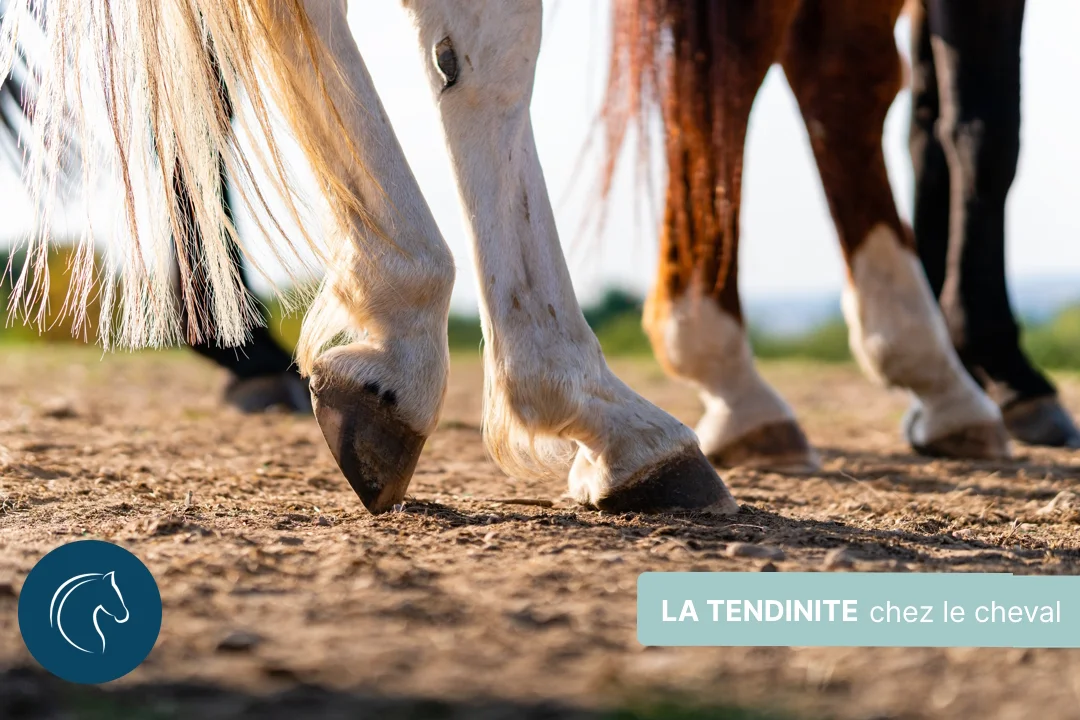
How to prevent and treat tendonitis in horses?
17 April 2025
Read moreTendon disorders are common in horses. Tendonitis is one of them, it occurs when the collagen fibers that make up the tendon undergo a partial or complete rupture. Common in particular in sport horses, they can nevertheless affect all equids. Painful and long to heal, they require special care and attention. Causes, symptoms, treatments: Lore & Science tells you everything about tendonitis in horses.
Causes of tendonitis in horses
Tendonitis occurs most of the time during exercise. Often, tendonitis is caused by excessive fatigue due to excessive, repeated or unusual work. They can also occur due to genetic predisposition, old age, overweight or hormonal imbalances.
Thus, tendonitis is difficult to anticipate. However, here are some tips to limit the risks:
- Avoid having your horse work on soft or slippery ground to limit tendon hyperextension.
- Take the time towarm up your horse before the work sessions.
- Do not overwork your horse's limbs by training too intensively or repeatedly.
- Change your horse's shoes regularly to balance its support.
How is tendonitis diagnosed?
Often, the first signs of tendonitis in horses are quite subtle. Symptoms can vary depending on the severity of the condition and the location of the affected tendon, but the most common ones are
- Pain and swelling in the affected area
- Stiffness and difficulty moving the affected limb
- Lameness
- Sensitivity to touch
- Thickening or nodules in the affected tendon
If you notice these signs in your horse or mare, rest for a few days immediately. After this time, if the symptoms persist, call your veterinarian to make a diagnosis.
The examination begins with an observation of the animal's legs on the flat, at rest and in motion. The veterinarian also examines the affected area for swelling, pain or tenderness, as well as to check the mobility and range of motion of the affected limb. Finally, an ultrasound may be ordered to visualize the internal tissues and check the extent of inflammation and swelling.
How to treat tendonitis in horses?
Depending on your veterinarian's recommendations, you can apply bandages, ice packs or clay to relieve and help regenerate the tissue. Our Tendinis Balm is also an effective and natural treatment to unclog tendons, while acting as a natural anti-inflammatory. The relief of the pain is then almost immediate.
Finally, some tendonitises require the prescription of an orthopedic shoe by a veterinarian.
Only the most severe tendonitis will result in surgery. This remains very rare. Indeed, surgery is generally considered a last resort option, as it involves risks and a longer recovery period.
The risk of recurrence
Unfortunately, even after healing, the affected tendon remains fragile. Therefore, it is essential to take care of possible recurrences. For sport horses, this can mean the end of their sporting career.
When the deep flexors are affected, it is possible that chronic tendonitis may result. This is most often the case when tendonitis is caused by the horse working too hard.
Thus, to limit recurrences, it is important to set up a very gradual resumption of work, followed by training sessions that are always adapted. Rest remains the best ally for a good recovery and a good regeneration of tissues between two sessions. Therefore, make sure that your horse follows a progressive exercise regime appropriate to its level of fitness and capacity throughout its life.
Questions about tendonitis or tendon care for your horse? Leave us a comment ↓
-
 Health topics , Horse advice
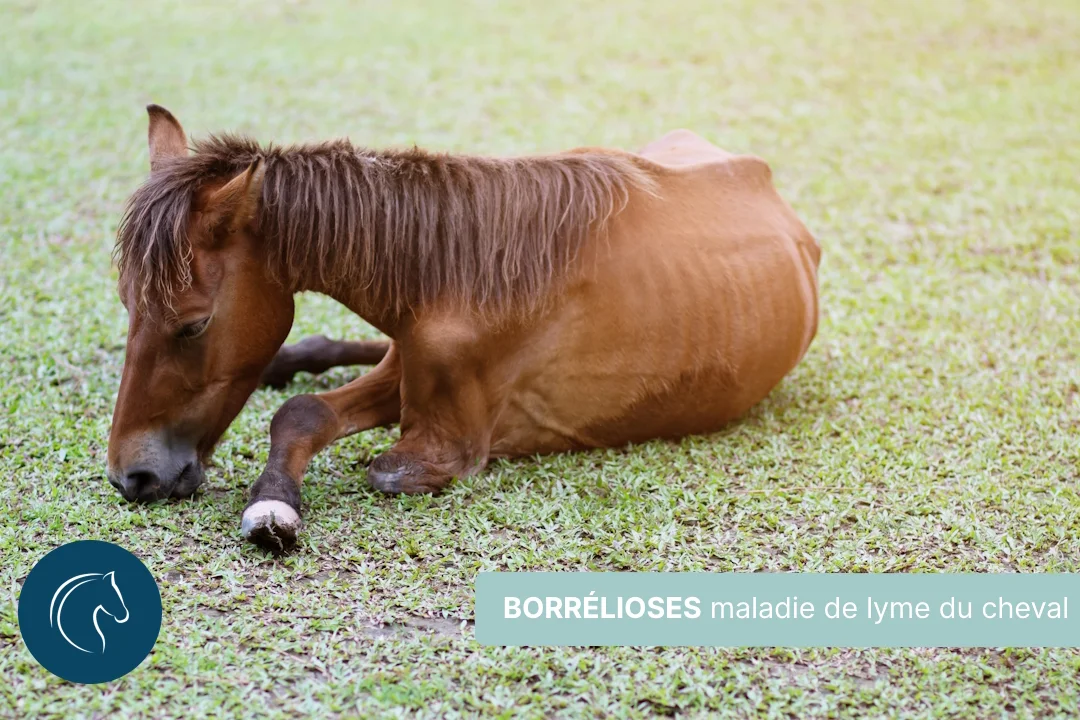
Borreliosis: all you need to know about lyme disease in dogs & horses
10 April 2025
Read moreHave you ever heard of borreliosis? These infections, the best known of which is Lyme disease, can affect dogs and horses as well as humans. They are caused by a bacterium called Borrelia burgdorferi which is transmitted by infected ticks. Borreliosis can be difficult to diagnose, as symptoms can vary considerably. Symptoms, diagnosis, treatment and prevention of borreliosis in dogs and horses, Lore & Science tells you all about it in this article.
Borreliosis: a variety of symptoms
In horses and dogs, symptoms of borreliosis may appear within a few weeks of exposure to the bacteria, but can also take several months to appear. They can also be intermittent, appearing and disappearing without warning. This, of course, complicates diagnosis. In fact, borreliosis is one of the so-called cold infections, as it does not necessarily trigger a fever. Nevertheless, here are a few symptoms that should alert you.
Symptoms of borreliosis in dogs

Dogs, bitches or puppies with Lyme disease or borreliosis-like infections may be lethargic and have low energy levels. They may have difficulty walking, jumping or climbing stairs. Other signs to watch out for include, but are not limited to, the following:
- Fever
- Loss of appetite
- Fatigue
- Joint pain
- Joint stiffness
- Muscle pain
- Swollen lymph nodes
- Neurological symptoms
Symptoms of borreliosis in horses

As with dogs, symptoms of borreliosis in horses, mares and foals can take several weeks to appear after exposure to the bacteria. Among them, lameness is common and can affect one or more limbs. Horses suffering from Lyme disease can also be highly sensitive to pressure, and more reactive to tactile stimuli. We have compiled a list of potential signals of borreliosis in equids:
- Fever
- Lameness
- Swollen joints
- Neurological symptoms
- Weight loss
- Fatigue
- Reduced appetite
- Respiratory symptoms
In all cases, if your horse or dog displays one or more of these symptoms, we recommend that you consult your veterinarian, who will be able to make an appropriate diagnosis.
Diagnosis of borreliosis
Diagnosing borreliosis in dogs and horses is often a challenge for veterinarians, as the clinical signs presented by infected animals can be non-specific and resemble those of other diseases. As a result, it's important to call on a qualified, experienced professional to diagnose this complex disease.
A blood test is commonly used to detect the presence of antibodies against the bacteria responsible for borreliosis. However, it can sometimes give falsely negative results if the dog or horse has recently been exposed to the bacteria. What's more, antibody levels can vary according to the stage of the disease, making diagnosis all the more difficult.
In some cases, the veterinarian may use imaging techniques, such as X-rays and ultrasound, to assess the extent of inflammation in the joints or muscles. These tests can also detect other abnormalities, such as fractures and tumors. However, as they are not specific to borreliosis, they can only be used to confirm the diagnosis.
Finally, it's important to note that early diagnosis of borreliosis is crucial to successful treatment. Therefore, if you notice any signs of the disease in your pet, don't hesitate to consult a veterinarian immediately to avoid any complications.
Treatment of borreliosis in dogs and horses
Treating borreliosis in dogs and horses is a complex process, and usually involves a combination of treatments. In general, veterinarians prescribe antibiotics to combat the bacterial infection. Doxycycline and amoxicillin are the antibiotics most commonly used to treat borreliosis, as they are effective in killing the bacteria responsible for the infection.
However, treatment of borreliosis can be a protracted process, as the infection can be deeply rooted in the animal's body. Consequently, treatment may last several weeks or even months, depending on the severity of the infection. Veterinarians often recommend regular check-ups to monitor the effectiveness of the treatment and ensure that the infection has been completely eliminated.
Antibiotics
Medicinal plants
Prevention of borreliosis in dogs and horses
The best way to combat borreliosis is, of course, prevention. Since these diseases are transmitted by ticks, the best way to prevent them in animals is to reduce their exposure to these mites. There are several preventive measures you can take to help protect your dog or horse.
First of all, avoid as far as possible wooded or grassy areas where ticks are likely to be found. Not letting your dog or horse roam in these areas can greatly reduce its exposure to ticks. If you can't stay away from these areas, then it's a good idea to use tick repellents on your pet. These can take the form of collars or sprays to be applied to your horse or dog before outings.
Also, regularly inspect your dog or horse for ticks. If you find a tick on your pet, remove it quickly. It's advisable not to touch the tick with your bare hands, as this can increase the risk of transmitting the bacteria. Instead, use tick forceps or disposable gloves to remove the tick properly. If you can, store the tick in an airtight container.
Finally, it's important to keep a close eye on your dog or horse after it's been bitten by a tick. If you notice any symptoms of borreliosis, such as fever, muscle stiffness or joint pain, consult your veterinarian immediately. The sooner the disease is detected and treated, the greater the chances of your pet's recovery.
In short, by taking these preventive measures, you can help to significantly reduce the risk of borreliosis in your dog or horse. It's important to remember that prevention is the key to protecting your pet's health and ensuring its long-term well-being.
Questions about borreliosis-type infections in your pet? We'll answer them in comments ↓
-
 Horse advice
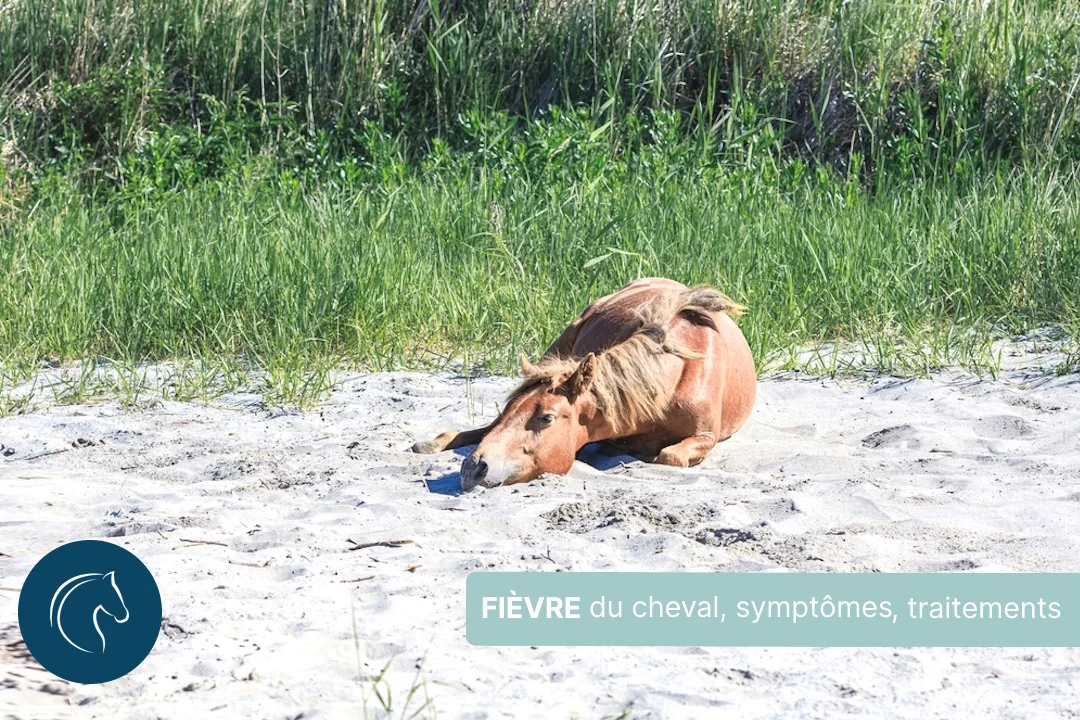
Horse fever: causes, symptoms and treatment
03 April 2025
Read moreLike many warm-blooded mammals, horses' temperature can rise as their immune system fights infection and/or disease. Equine fever can be a symptom of a wide range of illnesses. So it's vital to know how to detect the signs of fever in horses, and how to take their temperature correctly. Causes of equine fever, symptoms and treatments: our Lore & Science specialists tell you all about it in this article.
How can you tell if a horse has a fever?
First of all, the normal temperature of an adult horse is between 37° and 38.2°. At 38.5°, your horse will have a fever. In foals, this temperature is significantly higher. It's not uncommon for it to be around 39°. Therefore, fever can only be diagnosed at 39.4°.
From a behavioral point of view, amorphous behavior, feeding and hydration difficulties, nasal discharge, sweating and swelling are all signs of a potential fever-producing infection. If you have any doubts about your horse's state of health, taking its temperature is the first step in determining whether or not it has an infectious problem.
How do you take a horse's temperature?
We sometimes hear that you have to touch a horse's ears to know if his body temperature is too high. Of course, this can give you an initial idea. However, this method is not precise enough to establish a diagnosis.
In the event of clinical signs, the only way to certify the presence of fever in a horse is to take a temperature reading. Here's how to do it reliably. We recommend the use of a conventional rectal thermometer (preferably electronic) for accurate measurement. For the most accurate reading possible, take it in a stress-free, shaded environment, with the horse at rest. The device should be inserted 5 to 10 centimetres into the horse's anus, and held until the beep confirms that the measurement has been taken.
What causes fever in horses?
Fever is a natural reaction of the body's immune system. It can be the result of a number of illnesses or infections.
Bacterial and viral infections
This is the most common cause of equine fever. Bacterial infections, such as equine infectious peritonitis, strangles, pneumonia or urinary tract infections, can all lead to fever. Viral causes, on the other hand, can be equine influenza or equine herpes virus. In these cases, fever is often accompanied by coughing, nasal discharge and lymph nodes.
Allergic reactions
Equines sometimes suffer from allergies, which can lead to fever. Insect bites and food allergies are common causes, and should be monitored. Allergies are often difficult to diagnose in horses, and can be triggered at any time in their lives. Your veterinarian will help you assess whether an allergy may be the cause of your pet's fever.
Injuries and inflammation
A wound, even a minor one, can be a source of infection, especially in fragile equines. Fever is a sign of these infections. So, in the event of fever, check for untreated wounds or inflammation (tendons, joints, etc.) that could lead to swelling of the limbs, for example. To avoid wound infections, remember to clean and disinfect scratches as soon as they appear. In the event of deep wounds, profuse bleeding or close contact with flexors or joints, call your vet immediately.
How is equine fever treated?
Treatment of horse fever will depend on the underlying cause. If your horse shows symptoms of fever, consult a veterinarian for diagnosis and appropriate treatment. The sooner the cause is treated, the quicker and easier the infection will subside.
Last but not least, the right diet will help your horse to recover as quickly as possible. Give preference to forage, as well as easily digestible, high-energy foods such as vegetable oils, all in appropriate quantities.
In conclusion, remember that fever is not an illness in itself, but a sign that your pet's immune system is defending itself against an infection. It can be the symptom of several causes, and your veterinarian's advice is always essential in prescribing the right treatment.
Have a question about this article, give your opinion or experience? Share with us in the comments ↓]
-
 Health topics
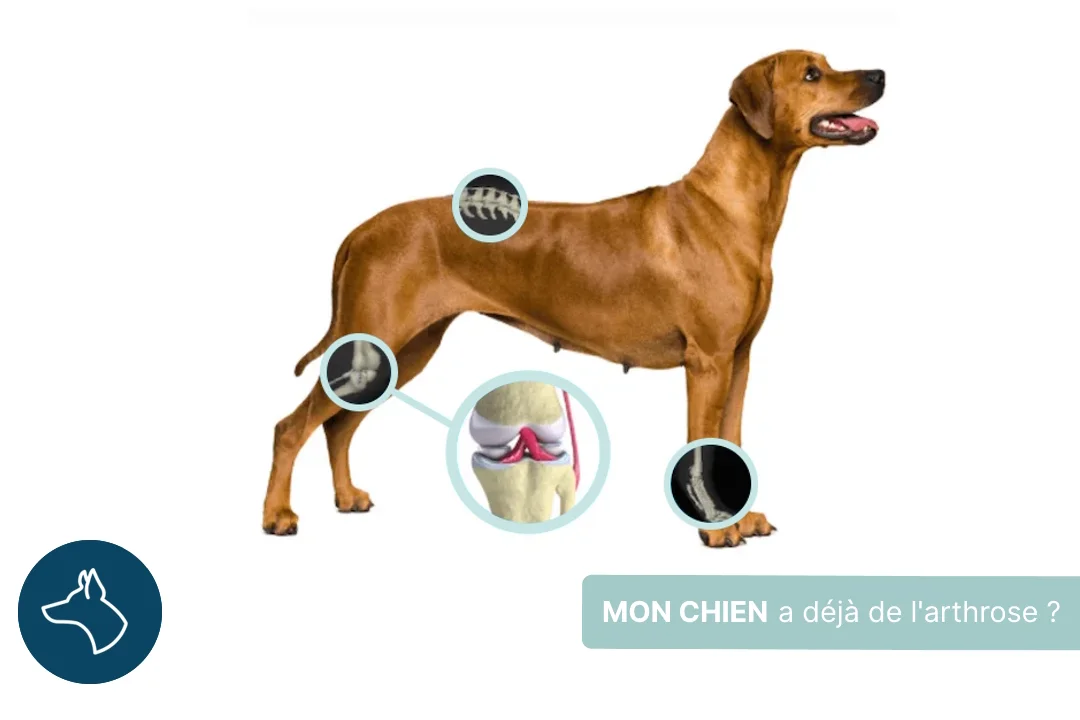
My dog limps, does he already have arthritis?
01 April 2025
Read moreWhy does my dog already have osteoarthritis?
My young dog limps regularly after his walk, the X-rays are formal, my dog has arthritis!
What is osteoarthritis in dogs?
Osteoarthritis, formerly known as rheumatoid arthritis, is a widespread disease in all breeds of dog.
It is a joint disease that progressively destroys the entirejoint, cartilage and bone.Osteoarthritis in dogs, the symptoms
The dog limps after perfectly normal exercises such as his daily walk, he has difficulty getting up, or moves much less flexibly, the dog refuses to go for a walk, no longer wants to go out, can no longer jump, no longer plays.
As osteoarthritis is highly inflammatory, the dog suffers from joint pain.Causes of osteoarthritis in dogs
For a long time it was thought that osteoarthritis in dogs only affected older dogs, but it is not uncommon to see a good number of young dogs, of all breeds, suffering from joint problems. It is true, however, that there are more cases of osteoarthritis in large dogs.
The idea of cartilage wear due to old age is therefore no longer really on the agenda.
Today, several causes are being considered, including the responsibility of a disordered immune system, genetics that are not always very clear and, above all, the quality of the food we give our dogs!
The great absentees of foods: minerals!
The dog's mineral needs are so great that it is not possible to provide it without supplementation, regardless of the food we select for it.
But unfortunately, if the dog already suffers from osteoarthritis, the mineral supplement will not be sufficient to relieve the dog.
What are the solutions for treating osteoarthritis in dogs?
How to relieve osteoarthritis in dogs?
If your dog has an arthritis attack, that is, arthritis, opt for solutions that provide quick relief.
Once the crisis is over, turn to quality supplements that contain ingredients designed for your dog's joint health.
Don't forget to offer your dog some exercise, without intense effort, as movement is the best enemy of joint degeneration due to arthrosis.
Does your dog suffer from osteoarthritis? Share your experience with us in the comments ↓
-
 Health topics
Digestion in dogs: how does it work?
31 March 2025
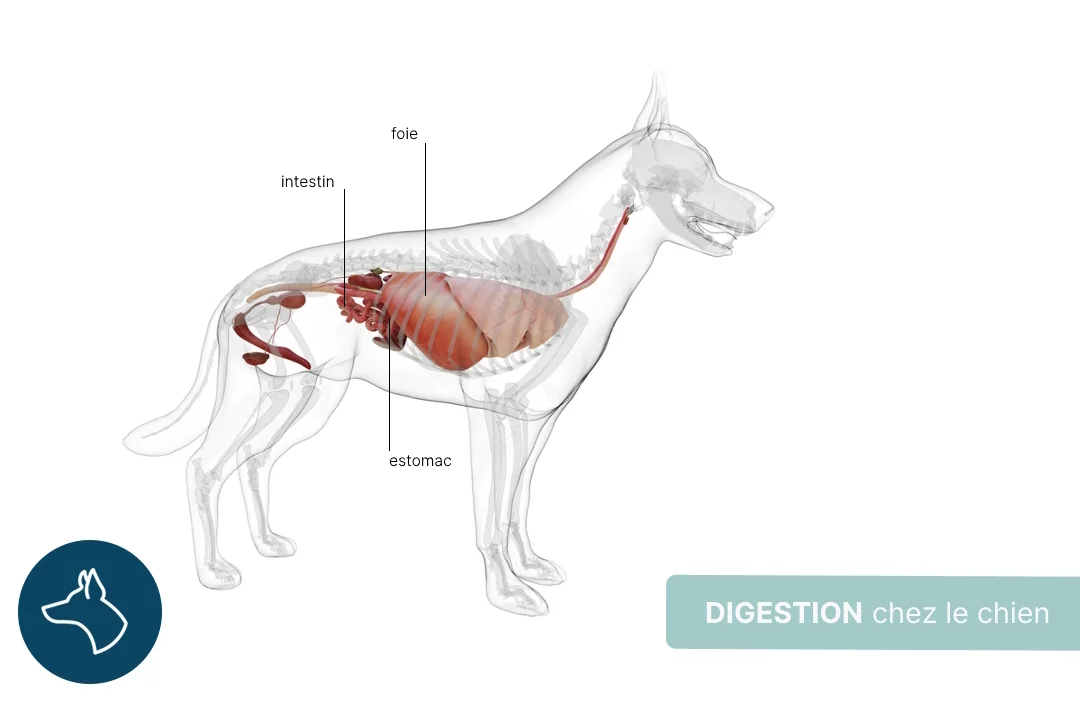
Read moreGood digestion is essential to your dog's health. That's why it's important to understand how a dog's digestive system works in order to adapt his diet and lifestyle. Lore & Science tells you everything you need to know about canine digestion and gives you its best advice for a healthy dog.
The stages of digestion in dogs
Like most carnivorous animals, the dog has a short digestive system. As such, it is able to digest animal proteins and fats. Through adaptation and domestication, the dog has also developed the ability to digest cooked starch.
Digestion in dogs begins in the mouth. Dogs do not have flat teeth like humans, but sharp, pointed teeth, called carnivorous teeth, that allow them to tear and grind food. Dogs' saliva also contains enzymes that begin to break down carbohydrates.
After chewing, food passes through the esophagus and into the stomach, where it is mixed with hydrochloric acid and enzymes that help break it down further. Proteins are broken down into amino acids, fats are broken down into fatty acids and carbohydrates are broken down into simple sugars. Unlike humans, food spends more time in the stomach of our canine friends. Count on between 4 and 10 hours before passing into the small intestine.
The passage through the small intestine takes an average of 45 minutes, during which most of the nutrients are absorbed into the bloodstream. They are then transported to the body's cells where they are used to provide energy and build new tissue. Residues that are not absorbed pass into the colon, where they are stored until they are eliminated in the form of stool.
What are the digestive problems in dogs?
If the digestive system varies according to the size or breed of your pet, it is still possible that intestinal problems related to digestion occur. These are quite common and often not serious, as long as they are treated promptly. The most common digestive problems are
- Diarrhea: this is a common digestive disorder in dogs. It is characterized by loose or liquid stools, often accompanied by gas and vomiting. It can be caused by a bacterial or viral infection, food allergy, ingestion of foreign objects or an underlying disease.
- Constipation is characterized by difficulty in defecating, hard or dry stools and a decrease in the frequency of bowel movements. A dog is considered to be constipated after a single daily bowel movement. It is often due to a low-fiber diet, dehydration, or even an intestinal obstruction.
- Vomiting: Vomiting is usually the result of improper feeding, infection, or ingestion of foreign objects. Do not neglect your dog's vomiting as it can cause dehydration.
- Food allergies: may show up in symptoms such as vomiting, diarrhea and flatulence.
If you notice symptoms of digestive problems in your dog, such as persistent diarrhea, constipation or vomiting, consult your veterinarian for proper diagnosis and treatment. You can also take preventive action to maintain the quality of your pet's intestinal flora on a daily basis.
How to take care of your dog's digestive health?
To support the intestinal flora and transit of your companion, you can also give him a food supplement concentrated in live prebiotics and probiotics. These are bacteria that are beneficial to digestive health. Thus, our Perfect Flore supplement nourishes and maintains your dog's saprophytic intestinal flora, regulating his intestinal transit, promoting proper food assimilation and boosting his immune system.
How to react in case of canine intestinal disorders?
In conclusion, digestion is a crucial process for your dog's health, and it is important to take care of his digestive health by taking preventive action on a daily basis. If you notice digestive problems in your dog, such as persistent diarrhea or vomiting, consult your veterinarian for proper diagnosis and treatment. With careful attention to your dog's digestive health, you can help keep your pet healthy and happy for years to come.
You have questions or want to share your experience, react in the comments ↓
On sale
100% natural guaranteed solutions

















Paiement
Sécurisé

100% végétal
sans ogm

Fabriqué
en france

Livraison
rapide

Sans agents
chimiques
Newsletter Lore&Science
Subscribe and
Subscribe and
get 10% off