

- Our products
-
 My account
-
 Cart
Cart





Connexion
Create an account
Create an account
Connexion

Lore&Science's blog
Discover our range of health supplements specially formulated to support the well-being of dogs, cats, and horses, helping maintain their vitality, mobility, and overall balance every day
-
 Default
Vomiting in cats: what to do?
21 April 2025
Read moreVomiting is often part of a cat owner's daily routine. However, while occasional vomiting may be normal, frequent or persistent vomiting may indicate an underlying problem. In this article, Lore & Science's specialists take a closer look at the possible causes of vomiting in cats, as well as treatments and precautions to avoid it.
Distinguishing between regurgitation and vomiting in cats
Vomiting, theforced expulsion of stomach contents through the mouth, can occur in cats for a variety of reasons. It should not be confused with regurgitation, which is the passive expulsion of food or liquid from the esophagus without abdominal effort. Vomiting in cats falls into two main categories: acute and chronic.
What causes acute vomiting in cats?
Acute vomiting occurs suddenly and can be the result of several triggers. In these situations, it may be a reaction to the hasty ingestion of food, a relatively common behavior in greedy cats. They devour their meal so enthusiastically that they don't give their stomach the time it needs to perform its digestive task, triggering a vomiting reflex. However, acute vomiting can also be the consequence of more serious problems such asfood intolerance,ingestion of toxic substances, or gastrointestinal infections caused by bacteria, viruses or parasites.
What causes chronic vomiting in cats?
Chronic vomiting, on the other hand, is usually a sign of underlying medical problems. Vomiting persists over an extended period and is not related to a specific situation. Causes can include gastrointestinal diseases such as gastritis or inflammatory bowel disease (IBD), as well as systemic disorders such aschronic renal failure, diabetes or liver disease. Other factors such as eating disorders, stress or heart problems can also contribute to this phenomenon.
How to treat cat vomiting
Treatment of vomiting depends on the underlying cause. Care should therefore be taken. In cases of acute vomiting caused by rapid food ingestion, food intolerance or toxins, it may be sufficient to fast the cat for 12 to 24 hours, followed by gentle reintroduction of food in small quantities.
However, for persistent or chronic vomiting, a visit to the vet is necessary to establish an accurate diagnosis.Self-medicating or ignoring chronic vomiting in your cat can lead to serious complications, so treatment of vomiting should always be professionally supervised to ensure your pet's safety and well-being. Your veterinarian will perform a thorough physical examination, take into account your cat's medical history and may recommend diagnostic tests such as blood tests, X-rays or ultrasound to determine the underlying cause of vomiting.
The first step is to treat the symptoms of vomiting. The main problem is often dehydration. Hospitalization for intravenous rehydration may be necessary, to help restore electrolyte balance and maintain the animal's general health. Once the cause of vomiting has been identified, your veterinarian will draw up a specific treatment plan. He may recommend a change of diet in the case of food intolerance, or prescribe antibiotics, anti-inflammatories or antiemetics in the case of infection or gastrointestinal disease. Note that stress can be a trigger for vomiting in cats. If the vet identifies stress as a contributing factor, stress management methods such as the use of soothing pheromones, environmental modifications or relaxation techniques may be advised.
Finally, it's essential to schedule regular follow-up visits to the vet to assess response to treatment and make adjustments if necessary.
How can I prevent cats from vomiting?
As you can see, vomiting in cats is a symptom to be taken seriously, as it can reveal serious underlying health problems. However, in some cases, simple preventive measures can be put in place on a daily basis to limit the risk of avoidable vomiting.
A special focus on food
Food is often the first source of acute vomiting. So opt for a quality food that offers better nutrition and is easier to digest, thus reducing the risk of gastrointestinal upset. If you plan to change your cat's food, do so gradually over several days to allow his digestive system to adapt smoothly.
In all cases, avoid prolonged periods of fasting, as this can lead to a build-up of gastric bile. If your cat has a tendency to fast, try offering him his meals in instalments. This will further reduce the load on his stomach. Finally, make sure your cat always has access toclean, fresh water to prevent dehydration.
A healthy, adapted environment
The environment is also a major source of vomiting. A few easy precautions can greatly improve your feline's life. First of all, keep your home free of plants that are toxic to cats. Also, be aware of potentially toxic plants in your feline's territory if he has access to the outdoors.
Next, make sure you provide a reassuring and soothing environment for your pet. As explained above, stress can be a source of vomiting. Access to quiet places where your cat can rest is essential.
Finally, hairballs can cause recurrent vomiting in cats, even leading to intestinal obstruction. If this is the case for your companion, brush him regularly to reduce the amount of hair he swallows when licking, and consider using specific products, such as malt-based pastes, to help eliminate hairballs.
In all cases, avoid self-medication, which can aggravate your pet's health problems, and never give your cat human medication without the advice of your vet.
By following these few tips and remaining attentive to your cat's health, you can help minimize the risk of vomiting. However, if your pet experiences frequent, severe or persistent vomiting, consult your veterinarian immediately, as this may be a sign of an underlying health problem that requires professional assessment and appropriate treatment.
Share your experience or questions with us in the comments ↓
-
 Default
Feline viral rhinotracheitis (coryza), the complete guide
21 April 2025
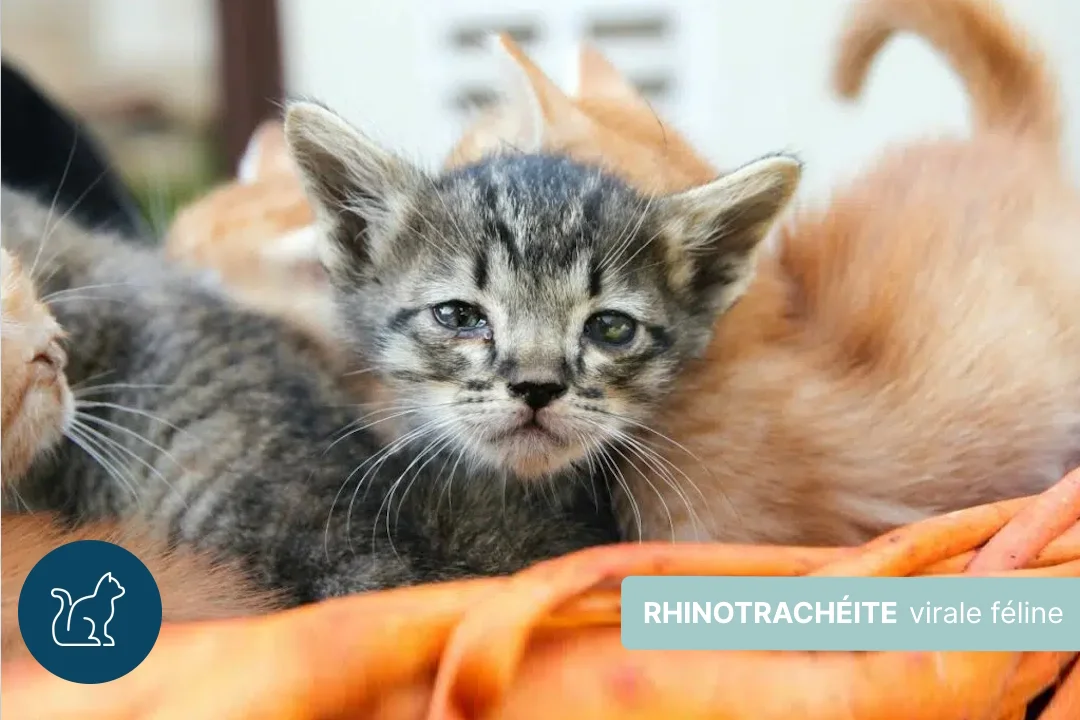
Read moreCat rhinotracheitis, also known as feline coryza, is one of the common ailments that can affect our companions. In this comprehensive article, Lore & Science tells you all you need to know about feline rhinotracheitis: its causes, symptoms, diagnostic methods and treatment options.
What is feline viral rhinotracheitis, or coryza?
Feline rhinotracheitis is a respiratory disease caused mainly by infection with two pathogens: feline herpes virus (FHV-1) and feline calicivirus (FCV). These viruses, the real drivers of the disease, have the ability to spread throughout the feline population. Their mode of transmission is varied, and includes nasal secretions, eye discharge, saliva laden with viral particles, and close physical contact between cats.
What are the symptoms of cat rhinotracheitis?
Coryza is characterized by characteristic clinical signs. Cats suffering from rhinotracheitis frequently present sneezing episodes, accompanied by a nasal discharge, sometimes clear, sometimes purulent.Irritation of the respiratory tract also leads to coughing, whether dry or productive. These symptoms are often accompanied by inflammation of the eyes, known as conjunctivitis, which manifests itself as eye discharge and can even lead to the formation of corneal ulcers. Cats may also drool or discharge excessive amounts of saliva. In response to the viral infection, your cat may also develop a fever, which should prompt you to consult your veterinarian immediately.
From a behavioral point of view, the symptoms of rhinotracheitis can disrupt a cat's appetite, leading to reduced food intake and worrying weight loss. Reflecting their altered state of health and malaise, cats will tend towards general lethargy.
All these symptoms should raise your alarm immediately. Call your vet, who will be able to make a precise diagnosis and prescribe the right treatment for your feline.
How to treat viral rhinotracheitis in cats?
The main aim of treatment is to alleviate the animal's distressing symptoms and prevent possible complications. Depending on the severity of the infection, several therapeutic approaches are available. In all cases, to avoid the spread of infection, it is imperative to keep the infected cat isolated from other cats during the contagious period.
Although cat rhinotracheitis is viral in origin, it's not uncommon for a secondary bacterial infection to develop in parallel. In such cases, antibiotics may be prescribed by the vet. These drugs are designed to eliminate the bacterial infection and reduce the workload on the cat's immune system. In the most serious situations, and for very aggressive viral infections, veterinarians may opt toadminister antivirals. The aim of these drugs is to reduce the viral load, thus limiting the spread of the virus within the cat's body. They also promote faster recovery.
Can coryza be prevented in cats?
Prevention is the best weapon against cat rhinotracheitis, as it considerably reduces the risk of contagion. One of the first lines of defense against rhinotracheitis is vaccination. Specific vaccines against feline herpes virus and feline calicivirus are available and highly recommended for cats, especially kittens. Be sure to keep your cat's booster shots up to date, as the protection offered by vaccines can diminish over time.
From an environmental point of view, a clean environment is an effective barrier to virus transmission. Make sure you regularly clean your cat's litter box, food and water bowls, and any surfaces frequently touched by you or your pet. On a daily basis, avoid contact with stray or unknown cats. These felines can carry the virus, and any direct or indirect contact with them can potentially expose your cat to infection.
In conclusion, cat rhinotracheitis is a serious condition, but with a rigorous preventive approach, you can greatly reduce the risks to your four-legged friend. Vaccination, meticulous hygiene,isolation of infected cats and limiting outside contact are all crucial measures to ensure your cat's health and well-being, keeping it as free as possible from this viral respiratory disease.
Share your experience or questions with us in the comments ↓
-
 Default
Cat allergies: symptoms, causes and treatments
17 February 2025
Read moreCats are sensitive animals and can be prone to a variety of allergies, which can lead to unpleasant symptoms and disrupt their quality of life. As in humans, feline allergies arereactions of the body's excessive defenses against substances it is theoretically able to tolerate. In this article, Lore & Science explains the different types of allergy in cats, their symptoms, causes and possible treatments.
The different types of cat allergy
It should be noted that there are several types of allergy in cats, each with different causes and symptoms. Cat owners need to be aware of the different types of allergy so they can detect symptoms and obtain appropriate treatment. There are 4 main categories of allergy.
First of all, food allergies. This is one of the most common types of feline allergy. Cats can be allergic to any type of food, but the most common allergens are beef, fish, dairy products and cereals. Symptoms of food allergy in cats can include vomiting, diarrhea, itching and weight loss. Fortunately, they are easily treated by eliminating the allergenic food from the animal's diet.
Contact allergies are another common form of allergy in cats. They are caused by contact with irritating substances such as cleaning products, carpets, blankets, shampoos or cosmetics. Symptoms can include itching, rashes and skin infections. The key is to identify the allergen and remove it from your pet's environment.
The third major category is respiratory allergies. These can be caused by allergens such as dust, dust mites, pollen or cigarette smoke. They are generally identified by sneezing, itching, coughing and wheezing.
Finally, flea-bite allergies are the last common form of allergy in cats. They are actually caused by flea saliva when they bite the cat's skin. They are responsible for itching, redness, rashes and skin infections.
In any case, you should be aware that some cats can suffer from several types of allergy at the same time. It's therefore essential to keep a close eye on your cat's symptoms, and to consult your vet for a precise diagnosis and appropriate treatment in case of suspicion.
Allergy symptoms in cats
Allergy symptoms in cats can be very diverse, depending on the type of allergy and the severity of the reaction. Indeed, cats often present different clinical signs from dogs or humans, sometimes making diagnosis more difficult. Particular attention must therefore be paid to unusual behavior.
Itching
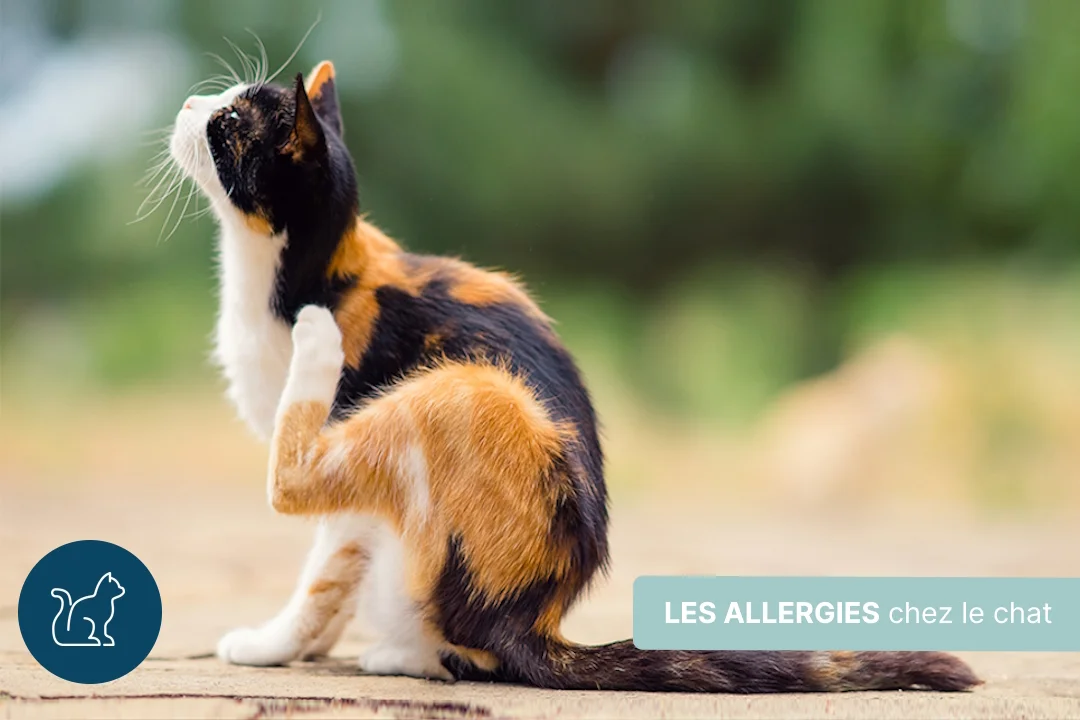
Itching is one of the most common symptoms of allergies in cats. Cats may frequently scratch, bite or lick their skin and hair to relieve themselves. This can lead to skin lesions such as scabs, sores or areas of bare skin. Cats may also scratch their face or ears, which can lead to abrasions and irritation.
Similarly, the animal's skin may be reddened, with areas of bare skin or lesions. Allergic dermatitis can affect any part of the cat's body, but is often localized to the neck, head, ears and base of the tail.
Breathing difficulties
Sneezing andrunny nose are common symptoms in cats suffering from respiratory allergies. The cat or kitten may also present flu-like symptoms, such as a dry cough andwheezing. Asthma attacks should also alert you.
Gastrointestinal problems
Food allergies can lead to gastrointestinal symptoms such as vomiting and diarrhea. The cat may also lose weight and lack appetite. These allergies are difficult to diagnose, as gastrointestinal symptoms can also be caused by other illnesses.
Furthermore, it's important to note that allergy symptoms in cats can be exacerbated by secondary infections, such as bacterial or fungal skin infections, which can occur when the skin is constantly irritated by itching. Early diagnosis and treatment are therefore essential to avoid complications.

Causes of cat allergies
The study of the causes of allergies in cats is still an evolving field of research, but some leads are being put forward by veterinary specialists. Allergies may be linked to genetic predisposition. Research has also shown that certain breeds of cat, such as Siamese or Persian, are more likely to develop allergies than others.
In addition to genetic factors,excessive exposure to allergens is also a key factor in the development of these feline allergies. The most common include dust, dust mites, pollen, mold and cigarette smoke. Our companions are exposed to these allergens in their domestic environment, but also outdoors, for those of our pets who are used to going outside.
On the other hand, an inadequate or poorly balanced diet can weaken a cat's immune system, making it more susceptible to developing allergies. Industrial foods containing artificial colors, preservatives or flavors can be an additional risk factor.
Finally, skin conditions of bacterial or fungal origin can make a cat's skin more sensitive to allergens. Irritating or toxic chemicals in the environment can also contribute to the development of allergies by affecting the skin and immune system.
Of course, the causes of allergies in cats vary from one animal to another. Veterinary specialists recommend consulting a doctor as soon as the first symptoms of allergy appear, so that the exact cause can be quickly determined and appropriate treatment put in place.
Treatments for cat allergies
Treatment of cat allergies depends on the type and severity of the allergy. Here are some common treatment options:
- Antihistamines: these medications can help relieve mild to moderate allergy symptoms, such as itching and sneezing.
- Corticosteroids: these anti-inflammatories can be administered orally, by injection or topically to treat more severe allergies.
- Immunotherapy: also known as desensitization, this involves the progressive administration of a small amount of allergen to help the cat develop tolerance.
- Hypoallergenic diets: these dietary adaptations can help reduce allergic reactions in some cats.
- Topical treatments: shampoos and sprays can help reduce skin allergy symptoms.
Feline allergies: finding the cause to treat it properly
As you can see, it's important to consult a veterinarian if you suspect your cat is suffering from allergies. He or she can then carry out tests to determine the allergen responsible and recommend the most appropriate treatment for your cat. In addition, he or she will monitor your pet's general health to ensure that allergies are not causing other complications, such as ear infections or respiratory problems.
Do you have questions about treating and preventing allergies in your cat? Ask us in comments ↓
-
 Default
Cats with urinary problems: how can you help your feline friend?
10 February 2025
Read moreSeeing your cat struggling to urinate is worrying. These difficulties may indicate serious problems with your feline's urinary system. Every part of theurinary tract - from the kidneys to the bladder - plays a crucial role in eliminating waste and keeping your cat healthy. Lore & Science guides you through the possible causes of these difficulties, the symptoms to watch out for, and the steps to follow to help your companion return to normal, pain-free urination.
Signs of difficulty urinating in cats
Cats are often discreet animals when they're in pain, but there are several telltale signs of difficulty urinating that you can spot. For example, your cat may try to use the litter box more often, without much success. You may also notice that he spends a lot of time in a urination position without producing much urine, or worse, any at all. Another sign isbloody urine, which can indicate a urinary tract infection or kidney stones. Your cat may also express pain by meowing or complaining during elimination. Finally, lethargy, loss of appetite, and even behavioral changes such asaggression can indicate that something is wrong.
Causes of difficulty urinating in cats
Urinary tract infections
Urinary tract infections are among the most common causes of difficulty in urinating in cats, especially females. They occur when bacteria enter the urethra and travel upwards to the bladder. This bacterial invasion causes inflammation, makingurination painful and difficult. An untreated urinary tract infection can spread to the kidneys, leading to a serious kidney infection, or pyelonephritis, which can damage these vital organs.
Kidney and urinary stones
Kidney and urinary stones, also known as uroliths, are solid mineral formations that can develop in your cat's kidneys, bladder orurethra. These stones can block the normal flow of urine, making urination difficult or impossible. Kidney stones are particularly painful and require immediate medical attention. Their presence may be due to a mineral imbalance, often linked to diet or genetic predisposition. If left untreated, kidney stones can cause permanent damage to the kidneys, leading to renal failure.
Renal failure
Kidney failure is another possible cause of difficulty urinating in cats, and can be acute or chronic. This condition occurs when the kidneys no longer function efficiently to filter waste products from the blood and produce urine.Chronic renal failure usually develops slowly, over several months or years, whereasacute renal failure appears suddenly, often following an infection, intoxication, or obstruction. Cats suffering from renal failure may find it difficult to urinate due to an accumulation of toxins in their body, affecting the entire urinary system.
Diseases of the urinary tract
Other diseases of the urinary tract, such as feline interstitial cystitis (FIC) or feline lower urinary tract disease (FLUTD), can also cause difficulty in urinating. ICF is a chronic inflammation of the bladder, often with no identifiable infectious cause, which causes pain and difficulty in urinating. MVUIF, on the other hand, groups together several urinary disorders, including infections, stones and cystitis. These conditions are often exacerbated by stress, inappropriate diet or lack of hydration.
How can you help your cat overcome these difficulties?
Consult a vet immediately
The first step is to consult a vet as soon as you notice your cat is having trouble urinating. Urinary problems can quickly become medical emergencies, especially if an obstruction is present. The veterinarian will perform a physical examination and tests (urinalysis, X-rays, ultrasound, etc.) to identify the underlying cause.
In the case of urinary tract infection, antibiotics may be prescribed to eliminate the infection. If kidney stones are present, specific treatment, such as dissolving the stones with a special diet or, in some cases, surgery, may be required. In the case of renal failure, supportive treatment with a suitable diet and medication to control symptoms will be put in place.
Stay well hydrated
Hydration is crucial to your cat's urinary health. Encouraging regular water consumption helps prevent urinary tract infections and kidney stones. If your cat isn't naturally inclined to drink a lot of water, you can try using cat water fountains, which stimulate their curiosity and encourage them to drink more. You can also add water to their dry food or switch to a wet diet to increase their water intake.
Adapt your cat's diet
Preventing urinary problems in cats
Maintain a healthy weight
Obesity is a risk factor for many health problems in cats. Overweight cats are more likely to develop kidney stones and other urinary disorders. Make sure your cat stays active with regular play and provides a balanced diet adapted to its caloric needs.
Provide clean, accessible litter
Cats are very fussy about the cleanliness of their litter box. A dirty or inaccessible litter box can discourage them from urinating. Urine retention tends to lead to urinary problems. Be sure to clean the litter box daily and place it in a quiet, easily accessible spot. If you have several cats, it's advisable to provide one litter box per cat, plus one extra.
When to worry and seek urgent medical attention
If your cat hasn' t urinated for more than 24 hours, if it seems extremely painful when trying to urinate, or if you notice the presence of blood in its urine, consult a veterinarian immediately. Complete urinary obstruction , often caused by stones or urinary plugs, can be fatal if not treated promptly. Failure to urinate is particularly serious, as it can lead to a rapid build-up of toxins in the bloodstream, putting your cat's life at risk. In such cases, rapid veterinary intervention, often in the form of catheterization or surgery, is required to unblock the urethra and enable your cat to resume normal urination.
Conclusion
Difficulty urinating in cats is not a problem to be taken lightly. Urinary tract infections, kidney stones or kidney failure are all potential risks that should not be overlooked. The key to helping your cat lies in careful observation, rapid response and ongoing prevention. Consult your vet at the first sign of difficulty in urinating. As you can see, a healthy environment, a balanced diet and regular medical check-ups are the best ways to keep your feline's urinary tract healthy.
Share your experience or questions with us in the comments ↓
-
 Default
Gingivitis in cats: symptoms, causes and treatments
03 February 2025
Read moreDo you take care of your cat'soral hygiene? A lack of care can lead to gingivitis. This inflammatory disease of the gums is quite common in our feline friends. It is characterized by an inflammation of the gums that can be painful and cause bad breath. If not treated quickly, it can lead to more serious periodontal disease, which can lead to tooth loss and other health problems. Don't panic, in this article we give you all our tips on how to spot, treat but also prevent gingivitis in cats.
What causes gingivitis in cats?
Gingivitis in cats can be caused by a variety of factors, such as plaque buildup, inadequate nutrition, underlying disease or oral trauma. It is important to know thatplaque build-up is one of the main causes of gingivitis. It is due to an excessive presence of bacteria, proteins and food debris that form plaque on the teeth. If it is not removed regularly by brushing or professional cleaning by a veterinarian, it can calcify and turn into tartar. The gums are then damaged and become inflamed.
Thus, diet can play an important role in the development of gingivitis in cats. If it is inadequate, especially if it is too rich in carbohydrates, it can promote the accumulation of dental plaque and the growth of bacteria that cause gingivitis. It is therefore important to choose a diet adapted to your cat's needs, rich in proteins and essential nutrients. In addition, it is important to note that eating foods that are too hard or too dry can also contribute to gum irritation. Therefore, it is recommended that cats that are susceptible to gingivitis also be fed a moist diet, such as mash. Finally, it is important to remember that the amount of food given to your cat should be monitored and regulated to avoid excessive weight gain, which would be an additional risk factor.
For some cats, underlying diseases, such as diabetes, may also increase the risk of developing this inflammation. Finally, if your cat has suffered oral trauma, such as a bite or blow to the gums, you'll need to ensure that bacteria don't proliferate there through proper care.

How to spot the symptoms of gingivitis?
The most common symptom of gingivitis in cats is inflammation of the gums. You can spot this inflammation when the gums become red, swollen and sensitive. They can then bleed easily when brushing teeth or chewing food. Similarly, a cat with gingivitis may have bad breath and excessive salivation. If the disease progresses, it can even lead to tooth loss and mouth ulcers.
On the other hand, lethargy or weight loss are possible symptoms of gingivitis. Indeed, the pain often prevents the feline from eating properly. However, a return to normal eating habits must be done as soon as possible in order to avoid causing other health problems for your pet.
How to treat gingivitis in cats?
If you suspect that your cat or kitten has gingivitis, your first instinct should be to call your veterinarian to confirm the diagnosis. After his examination, he will be able to guide you and prescribe the most appropriate treatment for the form of gingivitis your little friend is suffering from.
The treatment of gingivitis thus depends on the severity of the disease. If detected early, it can be treated with good dental hygiene, including regular brushing or cleaning by your veterinarian. If gingivitis is caused by an underlying disease such as diabetes, treatment of the disease can help prevent the recurrence of gingivitis.
In all cases, professional dental cleaning will be an important step in the treatment of gingivitis. This may include scaling, polishing and root canal therapy. In addition, a proper diet will be implemented to prevent and help reduce plaque and tartar.
Conventional drug treatments most often include antibiotics and anti-inflammatory drugs to treat the bacterial infection and reduce pain. In more severe cases, surgery may be required to remove damaged or infected teeth.
Our tips for preventing gingivitis
In short, gingivitis is a common disease in cats that can be prevented by taking good care of your feline's oral hygiene. The signs can be subtle, so it's important to regularly monitor the condition of gums and teeth. If you notice any signs of gingivitis, consult your vet immediately for diagnosis and appropriate treatment. By taking preventive action (see DentiCat), you can help your cat maintain good oral health and healthy teeth throughout its life.
Do you have any questions about this article? React in the comments ↓
-
 Default
Cat parasitic worms: symptoms, treatments, prevention
27 January 2025
Read moreWorms in cats are a common parasitic infestation that can have serious consequences on your pet's health. Our feline friends are confronted with them most of the time in their environment or their food. Lore & Science tells you everything you need to know about worms in cats to help you keep your pet healthy.
The different types of worms in cats
There are several types of worms that can infect cats. First of all, roundworms, which are also called roundworms. These are the most common type of worm in cats. They are thin and long, and measure about 10 centimeters in length. Cats can get them by eating raw meat or infected rodents. Common symptoms to identify them include vomiting, diarrhea, weight loss, coughing and general weakness.
Another example is tapeworms, also known as tapeworms. These are parasites that look like flat ribbons, usually found in cats that hunt and eat infected rodents or are infected by fleas. Symptoms include vomiting, diarrhea, weight loss, and anal itching.
The third most common type of worms are heartworms. These are transmitted by mosquitoes and can cause severe damage to the cat's vital organs. Coughing, difficult breathing, weight loss and general weakness are all symptoms of the infected animal.
Cats can also be infected with other types of worms, such as lungworms, also called pulmonary metazoa. Felines get them by inhaling worm eggs or by eating infected prey. Eye worms are often transmitted by flies or mosquitoes. Finally, intestinal worms are found in the small intestine and can be transmitted by ingesting contaminated food, infected prey or by contact with feces.
Where do worms come from in cats?
As you can see, worms in cats most often come from their environment or fromingesting infected food. Cats that hunt or have access to the outdoors are more likely to be exposed than those that live indoors. Note that fleas can also play a role in the transmission of tapeworms.
How to know if a cat has worms?
First of all, it is important to note that the signs of a worm infestation can vary depending on the type of worm and the severity of the infestation. This can make it difficult to detect as symptoms may be mild or absent. However, if you are vigilant, you may be able to spot changes in appearance or behavior that are telling. More obvious signals, such as vomiting, diarrhea and weight loss, may appear. Loss of appetite may also be noticed, as worms can cause abdominal pain and make food less appealing to your cat.
In addition, changes in the texture and color of the stool are also a consideration. The stool may become soft, greasy or have blood spots. Similarly, if the coat becomes dull and matted, it may be due to a lack of nutrients caused by infestation. In general, fatigue and anemia can also be symptoms, as parasites weaken the immune system and drain your cat's resources.

In the case of heartworm infestation, symptoms may be more specific. Your cat may have persistent coughing, labored breathing and loss of energy. If you notice any of these signs in your cat, it is important to seek veterinary care immediately as such an infestation can be fatal if not treated promptly.
It is important to note that some cats may not show any symptoms that would indicate the presence of parasites. However, even in this case, regular screening and a deworming schedulerecommended by your veterinarian is essential for prevention.
How to treat a worm infestation?
If you suspect that your cat has worms, the first step is to consult your veterinarian for an accurate diagnosis and appropriate treatment. Treatment will depend on the type of worms your cat has, as well as the severity of the infestation.
How to prevent worms in cats and kittens?
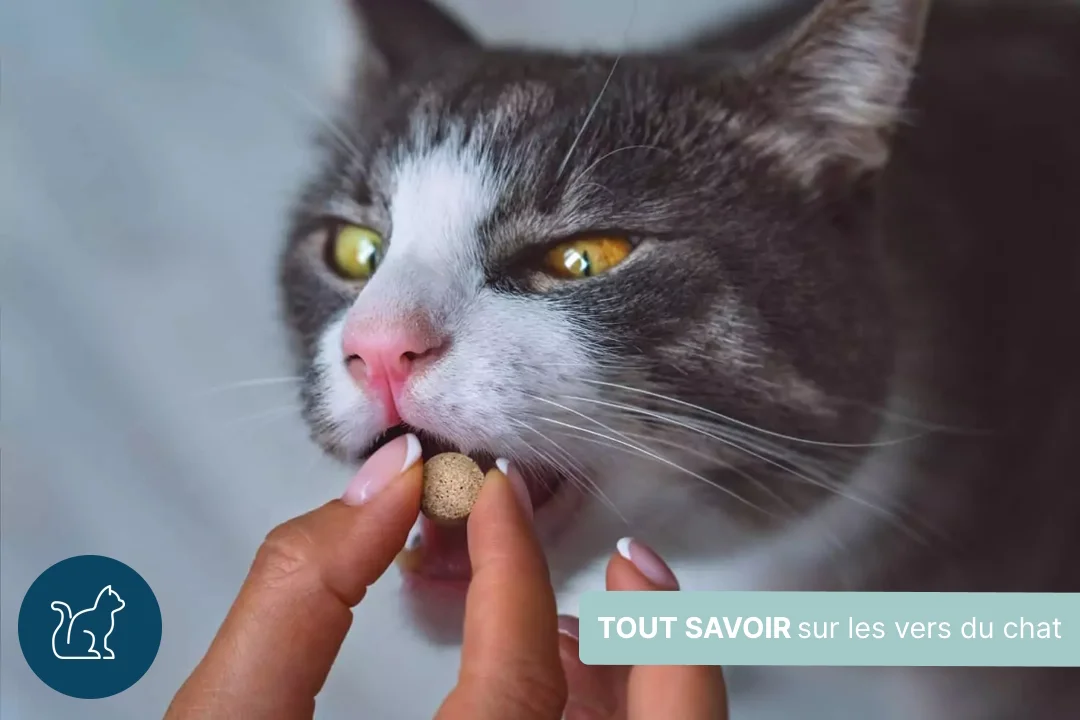
Prevention is probably the best way to protect your pet from worms. This starts with regular deworming. Your veterinarian will be able to recommend the appropriate frequency based on your pet's age, health and lifestyle. In general, adult cats should be dewormed every three to six months to maintain good intestinal health.
Also, avoid having your cat eat raw or undercooked meat on a daily basis. These can contain parasites such as roundworms and tapeworms. If you make homemade food for your pet, be sure to cook the meat thoroughly before feeding it.
Finally, it's important to maintain a healthy lifestyle by regularly cleaning your cat's litter box and keeping your home clean. Worms can hide in dirty areas, and your cat's feces can also spread parasites. So it's important to clean your cat's litter box every day and disinfect the surrounding area regularly.
In summary, worms in cats are a common reality, but with proper care, treatment and prevention, you can help protect your feline from potential infestations. If you suspect your cat is infested, it's important to consult your veterinarian for diagnosis and appropriate treatment. Finally, good general hygiene and attention to diet will help protect your pet on a daily basis.
Questions about worms in cats? Ask us in the comments.
-
 Default
Cats with heart problems: causes and treatments
20 January 2025
Read moreAmong the diseases that can affect felines, disorders of the heart muscle or myocardium affect nearly 95% of cats. In fact, cardiomyopathy is the most common heart disorder in cats.
5% of cats are affected, as well as dogs, by a heart disease at birth. This is called congenital heart disease.
What is feline cardiomyopathy?
There are different forms of cardiomyopathy but the most common is hypertrophic cardiomyopathy or HCM. Indeed, it affects nearly 70% of cats.
It is characterized by a strong thickening of the walls of the heart which disturbs the blood flow.
This heart disease in cats can be :
- Primary, i.e. due to a genetic or unknown cause. This form is quite frequent and has no definitive cure to date;
- Secondary to another disease such as hyperthyroidism which occurs after the age of 10, high blood pressure or renal failure which needs to be treated.
Feline cardiomyopathy affects mostly males and can occur at any age. However, cats between 5 and 7 years of age are more at risk. Some breeds are more frequently affected by this disease such as the Maine Coon, the Persian or the Sphynx. For these breeds, it is possible to detect HCM by genetic testing but the age of onset is unpredictable.
This condition can lie dormant for many years and occur overnight without any warning signs. Cardiomyopathy can also causeheart failure in cats. The heart is no longer able to pump enough blood to meet the body's needs.
Symptoms of a heart condition in cats
Heart disease in cats is often undetectable and appears very suddenly. Depending on the stage of the disease, symptoms may vary from cat to cat.
Most of the time, the symptoms are similar to heart failure:
- Fatigue;
- Coughing;
- Breathing difficulties and shortness of breath;
- Intolerance to exercise;
- Heart rhythm disorder;
- Loss of appetite;
- Weight loss.
More serious symptoms can also occur. Specific to the feline species, paralysis of the two hind limbs can occur suddenly and cause severe pain in the animal. It is caused by a blood clot that forms in the heart and as it moves through the vessels, it blocks the blood flow. Also, sudden respiratory distress may occur with jerky abdominal movements.
However, some cats remain asymptomatic their entire lives and die of a heart attack.
Diagnosing a heart condition in cats
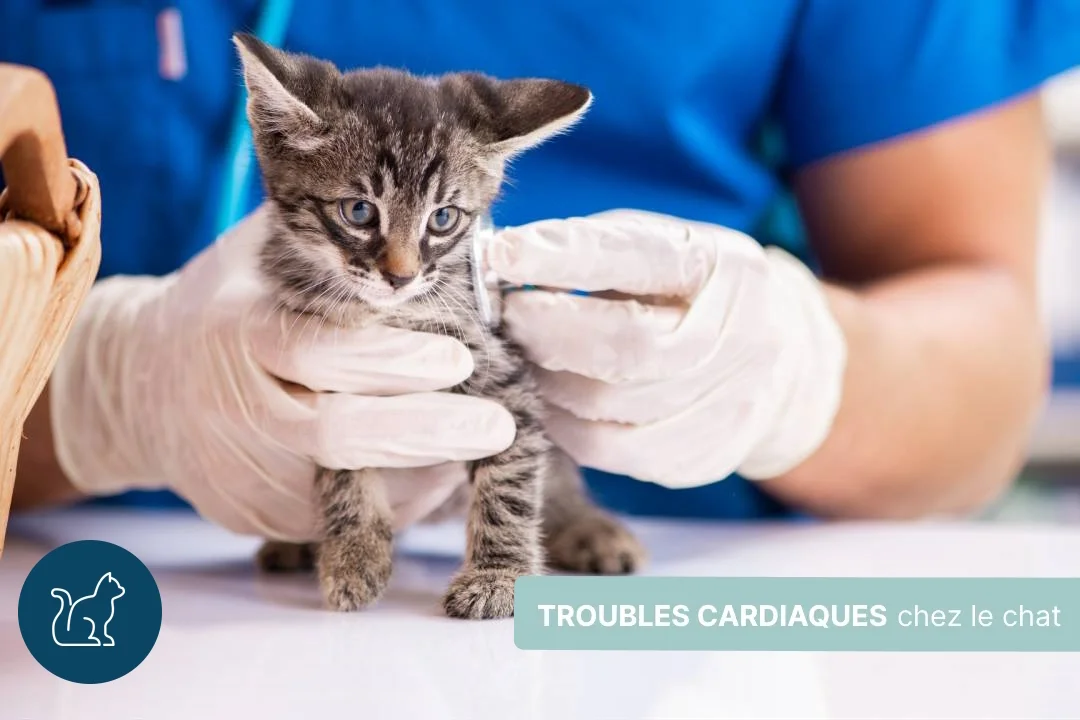
As mentioned, diagnosis of the disease and its origin in cats can be difficult. However, specific examinations by the veterinarian can help detect the warning signs of the disease.
X-rays, blood tests,electrocardiograms, blood pressure measurements and especiallyechocardiography can help detect heart problems and the causes of cardiomyopathy.
As far as the latter is concerned, it is essential to detect it as early as possible in order to set up an adapted treatment and to improve the quality and the duration of the cat's life.
What treatments for heart problems in cats?
1Veterinarycare
Heart disease in cats is treated in most cases with medications prescribed by the veterinarian. It is important to know thatno treatment can permanently stop cardiomyopathy in cats.
However, with the right treatment plan in place, the cat's symptoms can be alleviated and the cat can live comfortably for many years.
Various veterinary treatments are used to improve the function of the heart. In the case of cardiomyopathy, these can allow the treatment of the disease that is at the origin, if the latter is known (hyperthyroidism, hypertension).
It is also important to monitor the cat's lifestyle and avoid sources of stress in order to preserve its heart functions.
2Anadapted diet
Among the aspects that help alleviate heart disease in felines, diet plays a very important role.
Kibbles and food in general should provide molecules such as taurine and certain minerals such as magnesium and calcium to ensure the cat's heart health.
You liked this article, don't hesitate to react in the comments.
-
 Default
Coryza in cats: symptoms, treatment and prevention
13 January 2025
Read moreCoryza in cats: symptoms, treatment and prevention
Coryza is a very common infectious disease that can have a serious impact on the health of cats. What characterizes it? How to distinguish and treat it? Lore & Science explains it all to you.
- What is Coryza in cats?
- What are the symptoms of this feline disease?
- How to treat coryza?
- How to protect your cat from coryza?
What is Coryza in cats?
Coryza, also known as feline viral rhinotracheitis or cat flu, is a common infectious disease that can be caused by three viruses and one bacterium in particular:
- Feline herpesvirus type 1 (FHV);
- Feline calicivirus (FCV);
- Reovirus;
- And the chlamydophila felis.
These four pathogens can, alone or in combination, be responsible for the development of coryza. In less frequent cases, other bacteria, such as bordetella, pasteurella and mucoplasma can also trigger it.
Cat flu is highly contagious. It is therefore usually contracted by animals living in a community: pet shops, catteries, shelters, homes or even families with several cats. Fragile animals, such as kittens, older cats and unvaccinated cats are at greater risk of exposure to coryza. It is estimated that 70% of the cat population is a carrier of the virus.
Transmission is mainly by direct contact:
- Mouth;
- Eyes;
- Nose;
- Sneezing;
- Blow of fire propelling droplets ;
- Infected discharges.
However, it can be contaminated indirectly by contact with a soiled item (hands, cloth, object, etc.). The life span of the FHV virus varies between 12 and 18 hours, depending on the degree of humidity, compared to an average of 10 days for the FCV.
Caution is called for when it comes to humans, because while feline herpes virus, calicivirus and reovirus cannot infect us, chlamydophila felis can. It can lead to chlamydia, an exceptional zoonosis that can cause flu-like symptoms, photophobia and conjunctivitis. On the other hand, feline viral rhinotracheitis poses no risk to your other pets, such as dogs.
Finally, it is important to know that coryza is a disease that persists for life in cats, in a latent form. The virus nests in the deep layers of the tonsils or in the trigeminal ganglion, which unfortunately makes it inaccessible by the animal's immune system.
What are the symptoms of coryza?
As coryza can be caused by several pathogenic entities of varying virulence, the symptoms and their severity vary according to the virus. They are generally illustrated by an attack on the respiratory tract and mucous membranes:
- Respiratory: wheezing, sneezing, coughing, runny nose, crusty nose;
- Ocular: discharges, ulcers (FHV), crusts, conjunctivitis;
- Buccal: important salivation, ulcers (FCV);
- Other: fever, exhaustion, loss of appetite, dehydration, lameness...
If you have several felines with the same symptoms, it is very likely that it is coryza because it is so contagious.
A veterinarian can diagnose the disease by observing the symptoms or via a test that will determine the pathogen(s) responsible for the disease. Be careful, the cat is not an animal that easily supports fasting. In case of suspicion, it is necessary to consult a professional if the cat has not eaten for 24 hours.
Finally, depending on the type of virus and the health conditions of the animal, recovery can be easy or difficult, leading to complications and death in the worst case.
How to treat coryza in cats?
The treatment of coryza will depend on the condition of the cat and the severity of its symptoms:
1Probe:
the feline may be hospitalized to have a catheter placed to help with feeding and hydration;
2Antibiotics:
administered in the form of tablets, drops or injections, to fight against bacterial superinfection;
3Anti-inflammatory:
used to soothe his pain;
4Antivirals:
prescribed in the most severe cases, recalcitrant, with complications;
5Hygienic care:
wipe the nasal and ocular discharge, remove the crusts which obstruct the nostrils of the animal, take care that its eyes do not remain stuck;
6Food:
Even if it does not present any more symptoms, the contagiousness remains permanent in the cats chronically contaminated by the feline calicivirus (FCV). On the other hand, it turns out to be intermittent, depending on the attacks, for cats carrying the feline herpes virus (FHV).
The incubation period for coryza is short, from 2 to 5 days before the first signs appear. If you have other felines, it is necessary to isolate the cat suspected of being infected to prevent the spread of the disease to other cats.
How to protect your cat from coryza?
Vaccination remains the most effective preventive method against the risk of contamination. Injection protects againstherpesvirus (FHV), calicivirus (FCV) and chlamydophila felis, but not other bacteria such as bordetella, pasteurella or mucoplasma.
Finally, if you have been in potential contact with a contaminated cat, you should know that the herpes virus and the calicivirus are not resistant to bleach, soda or heating to 50°C.
You have a cat with Coryza, share with us your experience in the comments ↓
On sale
100% natural guaranteed solutions

















Paiement
Sécurisé

100% végétal
sans ogm

Fabriqué
en france

Livraison
rapide

Sans agents
chimiques
Newsletter Lore&Science
Subscribe and
Subscribe and
get 10% off