

- Our products
-
 My account
-
 Cart
Cart





Connexion
Create an account
Create an account
Connexion

Lore&Science's blog
Discover our range of health supplements specially formulated to support the well-being of dogs, cats, and horses, helping maintain their vitality, mobility, and overall balance every day
-
 Horse advice
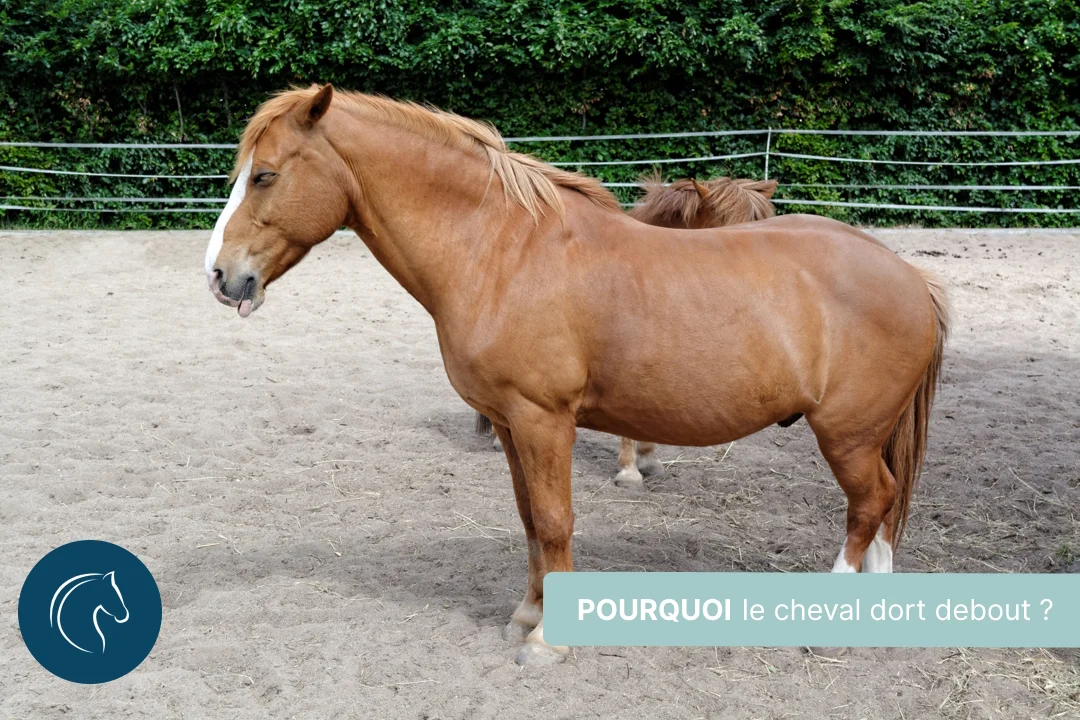
Why does the horse sleep standing up?
30 April 2025
Read moreWe often hear that horses sleep standing up. Is this a preconceived idea or a proven fact? The reality is a bit more complex than that. So, at Lore & Science, we examine for you the truth about horse sleep. Like all mammals, equines need quality sleep to stay healthy. In this article, find our best tips to help your horse rest.
The horse's ability to sleep standing up
And yes, horses are really able to sleep standing up! In reality, it will never be REM sleep. When they are standing, horses are in a light sleep or drowsiness phase, and more rarely in a deep sleep.
It is important to remember that, in nature, horses are prey animals. They have evolved to be constantly on the alert for potential dangers. This means that they have developed the ability to sleep standing up so that they can quickly escape in case of danger. Standing up, they can also give the illusion to potential predators that they are awake. Their hearing abilities remain alert in this position.
Horses can sleep standing up or lying down, depending on their environment and safety level. True REM sleep, however, can only occur when the animal is lying down.
How can a horse sleep standing up?
Like humans, horses' muscles relax when they fall asleep. However, a peculiarity of their joints allows them not to collapse during a nap while standing. Their kneecap is able to lock on a relief of the femur, which maintains their balance without soliciting important muscular contraction. Thus, this mechanism called "locking of the knee joint" allows them to rest without necessarily going to the lying position.
It will be noticed that after about ten minutes, the animal will come to change slightly its position to lock another support leg in turn.
How to help your horse sleep well?
As you can see, it is essential to provide a suitable environment for your horse to sleep well and maintain good health.
Here are our top tips for doing so:
- Provide a quiet environment (without loud noises), where he feels safe.
- Make sure your horse has a comfortable bed to rest in. Straw or shavings beds can provide excellent comfort for your horse.
- Give your pet enough room to lie down and get up without difficulty.
- Allow him to be around his peers to feel reassured. Horses are social animals that live in groups in the wild. Even in the stall, make sure he gets along with nearby horses.
- Avoid feeding your horse late in the evening, as this can disrupt his sleep. Horses need time to digest their food, so try to feed your horse a few hours before resting.
Helping a stressed horse sleep well
Is your horse particularly anxious? In spite of all your care, he can't rest enough? Natural solutions exist to help him.
You can supplement your horse's diet with clinically proven herbal remedies. For example, our stress-relieving synergy of medicinal plants Stress Less is perfect for calming and relaxing stressed horses.
Use this synergy as a cure to relieve an anxious horse, or to accompany him in case of change of environment or travel. The natural and quality ingredients are all grown in France according to the strictest standards. You will be able to benefit from the soothing effects of 5 medicinal plants with de-stressing virtues. Calming and offering induction to sleep.
What are the different sleep phases of the horse?
As you will have understood, a horse cannot sleep only standing up. This faculty exists to allow him to rest and regain his strength in contexts where he cannot allow himself to relax his vigilance completely. Let's develop the horse's sleep needs to better understand how to accompany him in his rest.
A lower sleep requirement than humans
Do you find that your horse or mare doesn't sleep much? Rest assured, equines need fewer hours of sleep than you do. On average, we estimate their daily need to be between 5 and 7 hours. Of course, this figure changes depending on the age of the animal. Foals and young growing horses will sleep almost 12 hours a day, while older horses will often settle for a few hours. In addition, horses are less subject to the circadian cycle (i.e. the alternation of day and night). They will tend to have short sleep cycles between 8pm and 5am, then between 12pm and 2pm on average.
Characteristics of slow wave sleep in horses
Slow Wave Sleep(SWS) is the non-REM sleep phase of the horse. It is a sleep phase that the horse can perform standing up.
This phase results in a slowing down of the respiratory and heart rhythms, and a consequent decrease in brain activity.
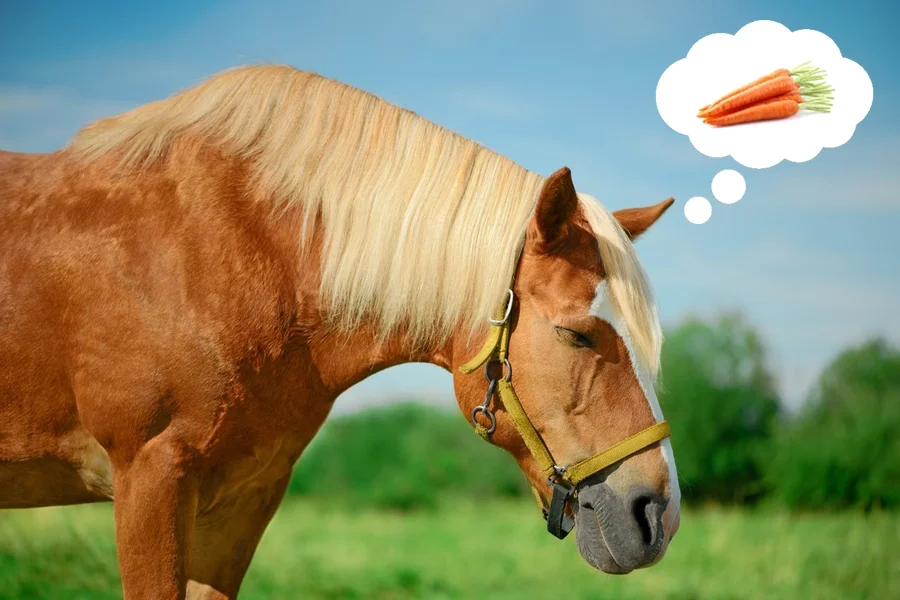
Physically, the animal will have its head down, eyes half-closed or closed and a regular alternation of the support leg.
It is also possible for horses to reach this sleep phase while lying in a "cow" position, i.e. when the forelegs are folded under the chest.
The paradoxical sleep of the horse
On the other hand, the REM sleep of the horse, which is essential for its good health, can only take place when the horse is lying down.
During this phase of sleep, brain activity is intense, while breathing and blood circulation are reduced. Rapid movements of the eyes, which remain closed, can be observed. At this time, muscle tension is too low to allow standing.
Physically, the horse will be lying on its side with its limbs extended. As mentioned above, this is a very vulnerable position for the animal. Therefore, only a favorable context will allow your horse to rest. However, REM sleep is essential for good health, for muscle recovery and for the prevention of injuries due to fatigue.
In summary, horses have evolved to sleep upright due to their prey nature and their constant need to be alert for safety. They are able to maintain this position through a leg lock system that allows them to rest while being ready to flee if needed. However, horses also need to sleep soundly to recover energy and maintain health.
By caring for your horse and allowing him to sleep properly, you can help maintain his overall health and well-being.
Need advice on sleeping with your horse? Leave us a comment ↓
-
 Horse advice
Detox and drainage for horses: understanding the differences
28 April 2025
Read moreIt is not uncommon for horse owners to seek to protect and improve the health of their animal. To do so, detoxification cures and draining are natural and effective approaches. However, these two processes remain distinct. Our experts guide you to understand the difference between detoxification and drainage in horses.
How to choose between detoxification and drainage for my horse?
Although both approaches are intended to support the overall health of the horse, detoxification and drainage are two distinct processes. Detoxification focuses on removing toxins from the body, while drainage focuses on removing excess fluids and toxins from the body's lymphatic and circulatory systems.
In other words, detoxification aims to cleanse the body of toxins that may accumulate over time, while drainage aims to facilitate the movement of fluids in the body, to help eliminate excess fluids and waste.
Thus, the two are complementary to each other. Detoxification must take place in case of toxemia. Toxaemia occurs when there are infections, parasitic infestations, drug overloads or poisonings. Drainage supports the health of the horse by purifying its body.
It is therefore not necessary to choose between detoxification and drainage in horses, but rather to understand the essential differences between the two in order to establish a global protocol.
How to detoxify a horse?
Detoxification means helping a horse's body to eliminate the toxins accumulated in its fatty tissues. These toxins come from a variety of sources. For example, horses are exposed to environmental toxins such as pollution, pesticides and agricultural chemicals. In addition, commercial horse feeds may contain processed ingredients, preservatives and artificial colorings that can be harmful to your horse's health. Medication treatments such as antibiotics and deworming can also lead to a build-up of toxins.
Choosing a good diet
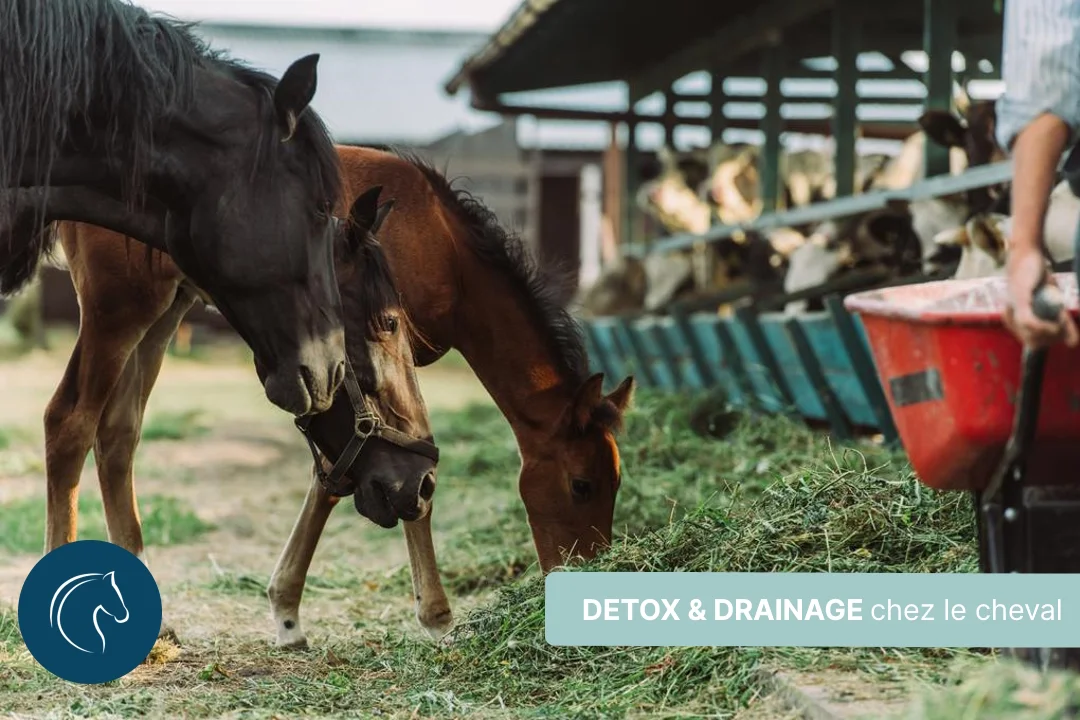
A good diet is essential for the good health of your horse. It is a condition to help his body eliminate toxemia naturally. Therefore, choose a diet rich in whole foods, such as vegetables, fruits, good fatty acids like omega-3 and high quality proteins. This will reduce your horse's daily toxic load.
Medicinal plants for detoxification
How to carry out a drainage in the horse?
Drainage is a physiological process with a long-term effect only. It will allow the elimination of excess fluids and toxins from the body's lymphatic and circulatory systems. Drainage in the horse is important because itpromotes the circulation of fluids and nutrients, while reducing the accumulation of waste and toxins in the tissues.
It is recommended to perform a drainage in the horse (often in addition to a detoxification) in the fall and spring. Indeed, these seasons are the ones that put the most strain on our horses' bodies. Drainage will intervene in several cases:
- for theimprovement of the hepato-urinary and digestive functions of the horse
- to relieve engorged or "dry" limbs
- in case ofatony of the digestive system
- to revive the body of a tired horse
Drainage methods for horses
Drainage can be performed in different ways in equines. For example, massage or mobilization exercises can be used. These stimulate fluid circulation and encourage lymphatic drainage in particular. Other methods sometimes used are foot baths and hot or cold compresses. These more local techniques will help reduce inflammation and promote healing, especially on the limbs.
Nevertheless, if you are looking for a complete drainage, it is recommended to turn to a phytotherapy treatment. In fact, medicinal plants have been clinically proven to be effective in draining the horse's body in its entirety and in depth.
Medicinal plants for drainage
Detoxification and drainage: different and complementary actions
As you can see, detoxification and drainage are complementary processes that maintain a horse's health and well-being. Of course, you should always seek the advice of your veterinarian to diagnose and treat underlying health problems.
Detoxification and drainage support the healing process and ensure that the body functions properly throughout the year. Two detoxification and drainage cures a year are recommended for their preventive action. In spring and autumn, they will ensure that your horse's immune system is well-balanced, enabling him to enjoy seasons in top form.
Share your questions, your experience with us in the comments ↓
-
 Horse advice
Horse back pain: causes, symptoms and treatments
21 April 2025
Read moreBack pain in horses, also known as back pain, is a common problem that can cause pain anddiscomfort, as well as performance problems. In this article, we'll look at the causes of back pain in horses, the symptoms to watch out for, and the treatments available to help your horse regain his health and well-being.
What causes back pain in horses?
In most cases, back pain is caused by riding and using the horse. Of course, it is also possible that the horse is naturally susceptible to back problems, due to its morphology or genetics. Nevertheless, the causes of back pain are often external.
The horse's back pain can be caused by a poorly fitted or poor quality saddle, which causes friction and pressure. It can also be caused by improper work with a tendency to work with a hollow back. This leads to pinching of the thoracic vertebrae and friction of their extremities, the spinous processes. The weight and balance of the rider also play an important role in the health of the horse's back. Finally, a horse that is put to work too young, before its skeleton is fully developed, will have a greater tendency to suffer from back pain throughout its life.
There are other reasons that can lead to back pain in horses. Injuries and falls, for example, are common causes of back pain in horses. A horse that falls or suffers a significant impact can damage the muscles, ligaments or vertebrae in its back, which can lead to pain and stiffness. Similarly,incorrect posture, dental problems or poor physical conformation can put undue pressure on the back muscles.
Therefore, always consult your veterinarian if you suspect back pain in your horse or mare. He or she will make the right diagnosis and suggest the most appropriate treatment.

What are the signs of back pain?
First, it is common for signs of back pain in horses to be mistaken for behavioral problems. Signs of aggression or reluctance to groom, saddle or girth can be indicators of pain.
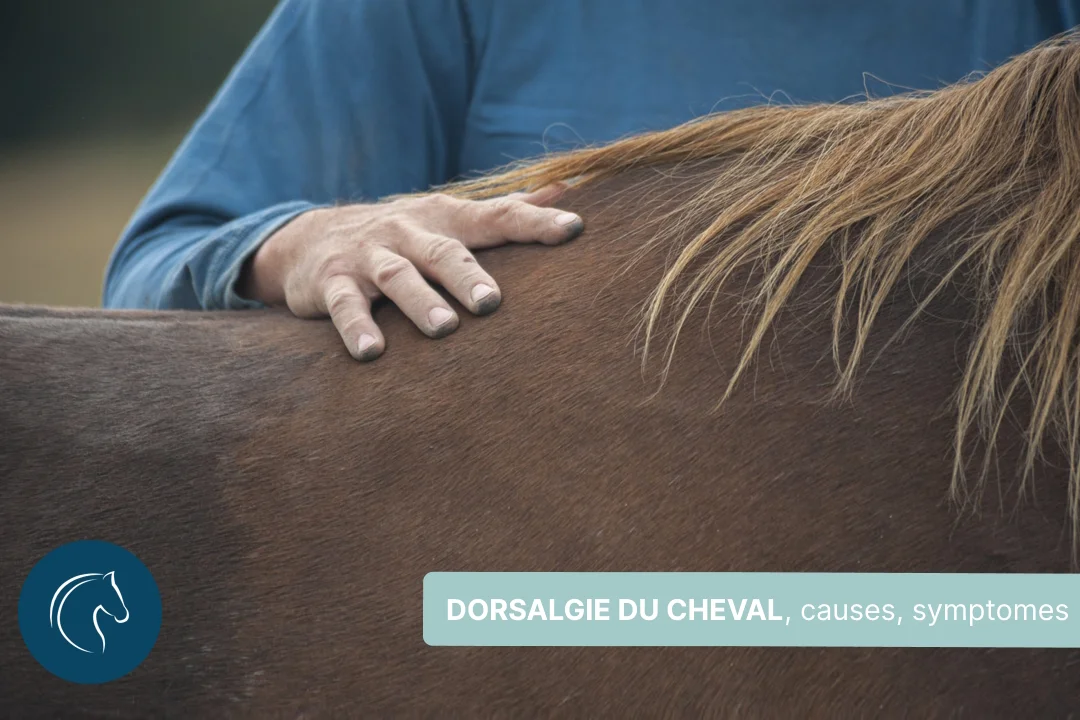
If your hand or the brush passes over your horse's back and your horse arches its back and tries to avoid contact, it is certainly a sign of back pain. Then check for any abnormal areas of heat that may appear.
When working, a horse with back pain will show stiffness, decreased performance or apprehension when jumping. In general, horses will then tend to dig in their backs and have difficulty engaging. Defensive problems, such as jumping or bucking, are also symptoms to consider.
If your horse shows these symptoms, don't hesitate to call your veterinarian for a more thorough examination.
How to relieve back pain in horses?
Finally, for daily comfort and to prevent recurrence of back pain, adjustments to the saddle, girth and overall adaptation of the equipment are essential.
Tips to avoid back pain in horses
As explained above, back pain is often caused by improper riding, equipment or work of the horse. It is therefore possible to prevent back pain, lower back pain or neck problems in most cases.
Preventive measures may include:
- a well-fitting saddle adapted to the horse's morphology
- proper riding posture and technique
- regular training to strengthen the animal's back and abdominal muscles
- regular health checks to detect potential problems before they become more serious
- regular dental care to prevent dental pain that can affect the horse's posture and balance.
By following these recommendations, you can help reduce your horse's risk of back pain and ensure a more comfortable life.
In conclusion, back pain in horses is a common problem that can have many causes and symptoms. It is important to diagnose the underlying cause of the pain to develop an appropriate treatment plan and prevent potential future problems. Preventive measures, such asa well-fitting saddle, proper riding technique and regular dental care, can help reduce the risk of back pain in horses.
By working closely with a veterinarian or equine specialist, you can help your horse return to comfort and optimal performance. Remember, prevention is always better than cure, so be sure to take the necessary steps to maintain your horse's health and well-being.
Share your experience with us in the comments ↓
-
 Horse advice
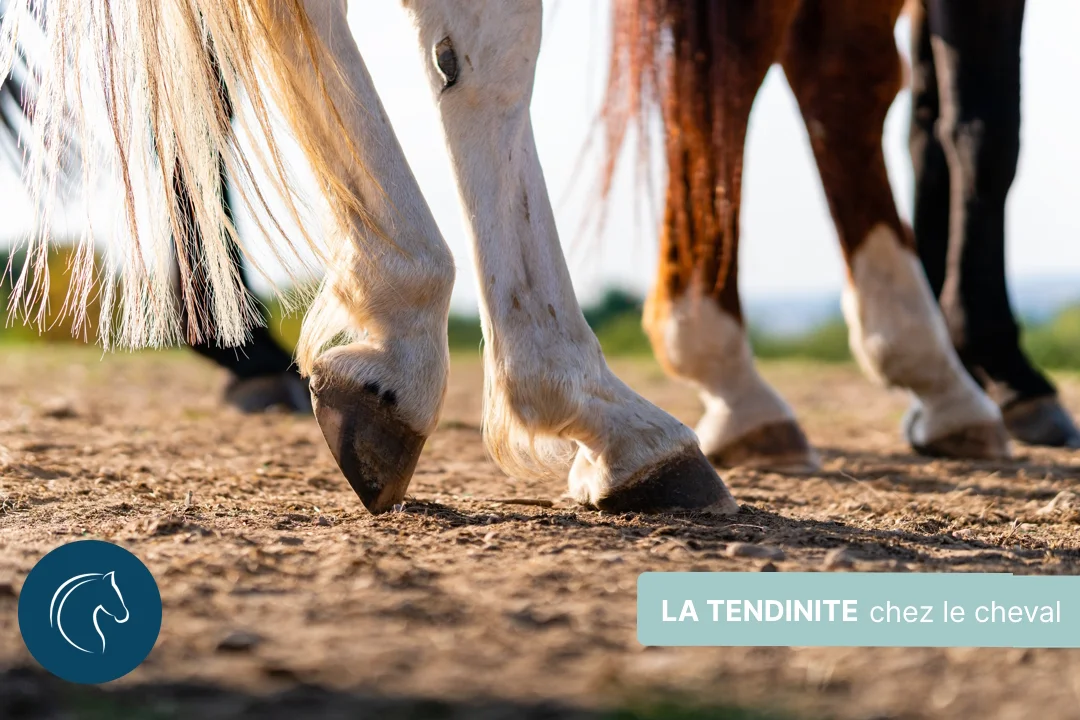
How to prevent and treat tendonitis in horses?
17 April 2025
Read moreTendon disorders are common in horses. Tendonitis is one of them, it occurs when the collagen fibers that make up the tendon undergo a partial or complete rupture. Common in particular in sport horses, they can nevertheless affect all equids. Painful and long to heal, they require special care and attention. Causes, symptoms, treatments: Lore & Science tells you everything about tendonitis in horses.
Causes of tendonitis in horses
Tendonitis occurs most of the time during exercise. Often, tendonitis is caused by excessive fatigue due to excessive, repeated or unusual work. They can also occur due to genetic predisposition, old age, overweight or hormonal imbalances.
Thus, tendonitis is difficult to anticipate. However, here are some tips to limit the risks:
- Avoid having your horse work on soft or slippery ground to limit tendon hyperextension.
- Take the time towarm up your horse before the work sessions.
- Do not overwork your horse's limbs by training too intensively or repeatedly.
- Change your horse's shoes regularly to balance its support.
How is tendonitis diagnosed?
Often, the first signs of tendonitis in horses are quite subtle. Symptoms can vary depending on the severity of the condition and the location of the affected tendon, but the most common ones are
- Pain and swelling in the affected area
- Stiffness and difficulty moving the affected limb
- Lameness
- Sensitivity to touch
- Thickening or nodules in the affected tendon
If you notice these signs in your horse or mare, rest for a few days immediately. After this time, if the symptoms persist, call your veterinarian to make a diagnosis.
The examination begins with an observation of the animal's legs on the flat, at rest and in motion. The veterinarian also examines the affected area for swelling, pain or tenderness, as well as to check the mobility and range of motion of the affected limb. Finally, an ultrasound may be ordered to visualize the internal tissues and check the extent of inflammation and swelling.
How to treat tendonitis in horses?
Depending on your veterinarian's recommendations, you can apply bandages, ice packs or clay to relieve and help regenerate the tissue. Our Tendinis Balm is also an effective and natural treatment to unclog tendons, while acting as a natural anti-inflammatory. The relief of the pain is then almost immediate.
Finally, some tendonitises require the prescription of an orthopedic shoe by a veterinarian.
Only the most severe tendonitis will result in surgery. This remains very rare. Indeed, surgery is generally considered a last resort option, as it involves risks and a longer recovery period.
The risk of recurrence
Unfortunately, even after healing, the affected tendon remains fragile. Therefore, it is essential to take care of possible recurrences. For sport horses, this can mean the end of their sporting career.
When the deep flexors are affected, it is possible that chronic tendonitis may result. This is most often the case when tendonitis is caused by the horse working too hard.
Thus, to limit recurrences, it is important to set up a very gradual resumption of work, followed by training sessions that are always adapted. Rest remains the best ally for a good recovery and a good regeneration of tissues between two sessions. Therefore, make sure that your horse follows a progressive exercise regime appropriate to its level of fitness and capacity throughout its life.
Questions about tendonitis or tendon care for your horse? Leave us a comment ↓
-
 Health topics , Horse advice
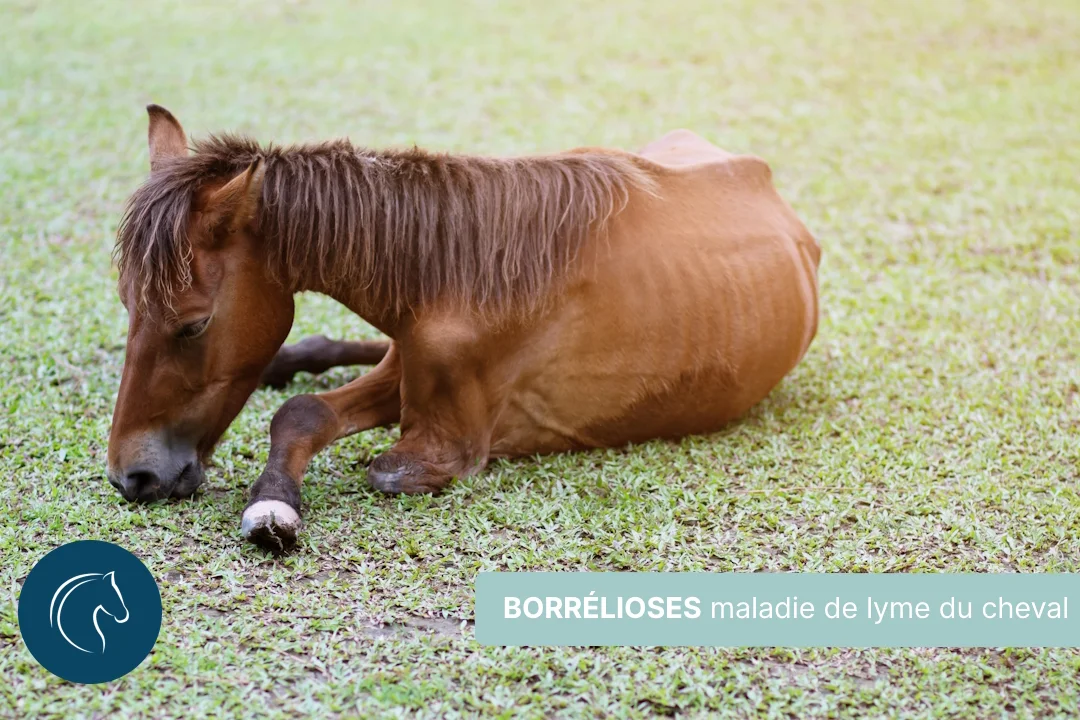
Borreliosis: all you need to know about lyme disease in dogs & horses
10 April 2025
Read moreHave you ever heard of borreliosis? These infections, the best known of which is Lyme disease, can affect dogs and horses as well as humans. They are caused by a bacterium called Borrelia burgdorferi which is transmitted by infected ticks. Borreliosis can be difficult to diagnose, as symptoms can vary considerably. Symptoms, diagnosis, treatment and prevention of borreliosis in dogs and horses, Lore & Science tells you all about it in this article.
Borreliosis: a variety of symptoms
In horses and dogs, symptoms of borreliosis may appear within a few weeks of exposure to the bacteria, but can also take several months to appear. They can also be intermittent, appearing and disappearing without warning. This, of course, complicates diagnosis. In fact, borreliosis is one of the so-called cold infections, as it does not necessarily trigger a fever. Nevertheless, here are a few symptoms that should alert you.
Symptoms of borreliosis in dogs

Dogs, bitches or puppies with Lyme disease or borreliosis-like infections may be lethargic and have low energy levels. They may have difficulty walking, jumping or climbing stairs. Other signs to watch out for include, but are not limited to, the following:
- Fever
- Loss of appetite
- Fatigue
- Joint pain
- Joint stiffness
- Muscle pain
- Swollen lymph nodes
- Neurological symptoms
Symptoms of borreliosis in horses

As with dogs, symptoms of borreliosis in horses, mares and foals can take several weeks to appear after exposure to the bacteria. Among them, lameness is common and can affect one or more limbs. Horses suffering from Lyme disease can also be highly sensitive to pressure, and more reactive to tactile stimuli. We have compiled a list of potential signals of borreliosis in equids:
- Fever
- Lameness
- Swollen joints
- Neurological symptoms
- Weight loss
- Fatigue
- Reduced appetite
- Respiratory symptoms
In all cases, if your horse or dog displays one or more of these symptoms, we recommend that you consult your veterinarian, who will be able to make an appropriate diagnosis.
Diagnosis of borreliosis
Diagnosing borreliosis in dogs and horses is often a challenge for veterinarians, as the clinical signs presented by infected animals can be non-specific and resemble those of other diseases. As a result, it's important to call on a qualified, experienced professional to diagnose this complex disease.
A blood test is commonly used to detect the presence of antibodies against the bacteria responsible for borreliosis. However, it can sometimes give falsely negative results if the dog or horse has recently been exposed to the bacteria. What's more, antibody levels can vary according to the stage of the disease, making diagnosis all the more difficult.
In some cases, the veterinarian may use imaging techniques, such as X-rays and ultrasound, to assess the extent of inflammation in the joints or muscles. These tests can also detect other abnormalities, such as fractures and tumors. However, as they are not specific to borreliosis, they can only be used to confirm the diagnosis.
Finally, it's important to note that early diagnosis of borreliosis is crucial to successful treatment. Therefore, if you notice any signs of the disease in your pet, don't hesitate to consult a veterinarian immediately to avoid any complications.
Treatment of borreliosis in dogs and horses
Treating borreliosis in dogs and horses is a complex process, and usually involves a combination of treatments. In general, veterinarians prescribe antibiotics to combat the bacterial infection. Doxycycline and amoxicillin are the antibiotics most commonly used to treat borreliosis, as they are effective in killing the bacteria responsible for the infection.
However, treatment of borreliosis can be a protracted process, as the infection can be deeply rooted in the animal's body. Consequently, treatment may last several weeks or even months, depending on the severity of the infection. Veterinarians often recommend regular check-ups to monitor the effectiveness of the treatment and ensure that the infection has been completely eliminated.
Antibiotics
Medicinal plants
Prevention of borreliosis in dogs and horses
The best way to combat borreliosis is, of course, prevention. Since these diseases are transmitted by ticks, the best way to prevent them in animals is to reduce their exposure to these mites. There are several preventive measures you can take to help protect your dog or horse.
First of all, avoid as far as possible wooded or grassy areas where ticks are likely to be found. Not letting your dog or horse roam in these areas can greatly reduce its exposure to ticks. If you can't stay away from these areas, then it's a good idea to use tick repellents on your pet. These can take the form of collars or sprays to be applied to your horse or dog before outings.
Also, regularly inspect your dog or horse for ticks. If you find a tick on your pet, remove it quickly. It's advisable not to touch the tick with your bare hands, as this can increase the risk of transmitting the bacteria. Instead, use tick forceps or disposable gloves to remove the tick properly. If you can, store the tick in an airtight container.
Finally, it's important to keep a close eye on your dog or horse after it's been bitten by a tick. If you notice any symptoms of borreliosis, such as fever, muscle stiffness or joint pain, consult your veterinarian immediately. The sooner the disease is detected and treated, the greater the chances of your pet's recovery.
In short, by taking these preventive measures, you can help to significantly reduce the risk of borreliosis in your dog or horse. It's important to remember that prevention is the key to protecting your pet's health and ensuring its long-term well-being.
Questions about borreliosis-type infections in your pet? We'll answer them in comments ↓
-
 Horse advice
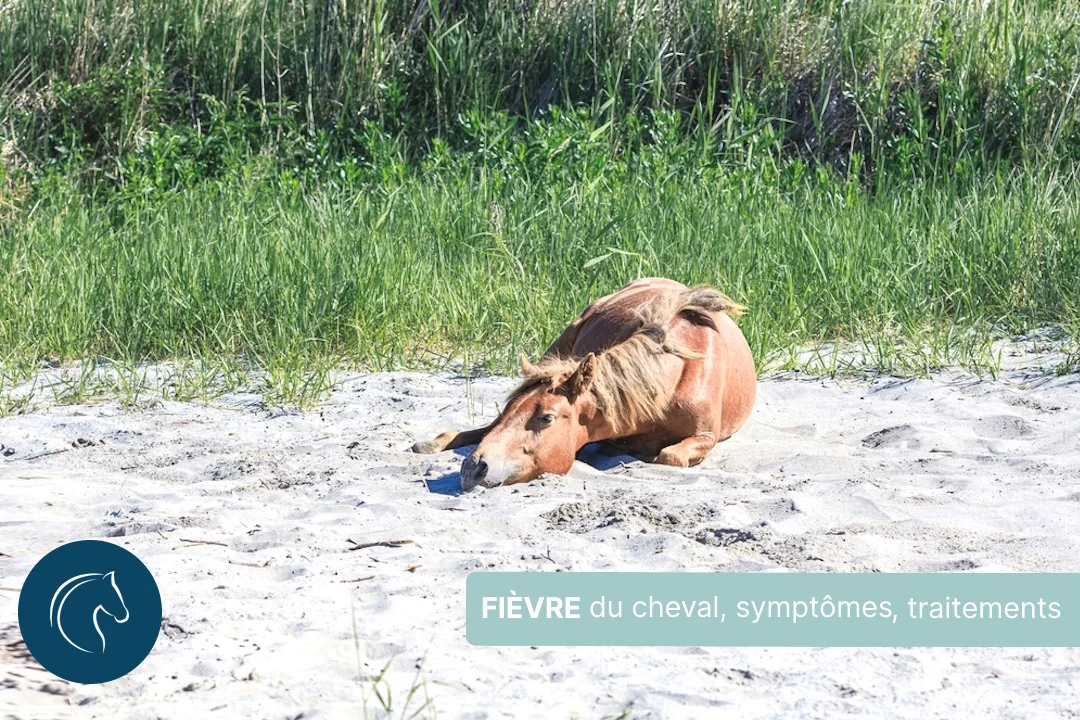
Horse fever: causes, symptoms and treatment
03 April 2025
Read moreLike many warm-blooded mammals, horses' temperature can rise as their immune system fights infection and/or disease. Equine fever can be a symptom of a wide range of illnesses. So it's vital to know how to detect the signs of fever in horses, and how to take their temperature correctly. Causes of equine fever, symptoms and treatments: our Lore & Science specialists tell you all about it in this article.
How can you tell if a horse has a fever?
First of all, the normal temperature of an adult horse is between 37° and 38.2°. At 38.5°, your horse will have a fever. In foals, this temperature is significantly higher. It's not uncommon for it to be around 39°. Therefore, fever can only be diagnosed at 39.4°.
From a behavioral point of view, amorphous behavior, feeding and hydration difficulties, nasal discharge, sweating and swelling are all signs of a potential fever-producing infection. If you have any doubts about your horse's state of health, taking its temperature is the first step in determining whether or not it has an infectious problem.
How do you take a horse's temperature?
We sometimes hear that you have to touch a horse's ears to know if his body temperature is too high. Of course, this can give you an initial idea. However, this method is not precise enough to establish a diagnosis.
In the event of clinical signs, the only way to certify the presence of fever in a horse is to take a temperature reading. Here's how to do it reliably. We recommend the use of a conventional rectal thermometer (preferably electronic) for accurate measurement. For the most accurate reading possible, take it in a stress-free, shaded environment, with the horse at rest. The device should be inserted 5 to 10 centimetres into the horse's anus, and held until the beep confirms that the measurement has been taken.
What causes fever in horses?
Fever is a natural reaction of the body's immune system. It can be the result of a number of illnesses or infections.
Bacterial and viral infections
This is the most common cause of equine fever. Bacterial infections, such as equine infectious peritonitis, strangles, pneumonia or urinary tract infections, can all lead to fever. Viral causes, on the other hand, can be equine influenza or equine herpes virus. In these cases, fever is often accompanied by coughing, nasal discharge and lymph nodes.
Allergic reactions
Equines sometimes suffer from allergies, which can lead to fever. Insect bites and food allergies are common causes, and should be monitored. Allergies are often difficult to diagnose in horses, and can be triggered at any time in their lives. Your veterinarian will help you assess whether an allergy may be the cause of your pet's fever.
Injuries and inflammation
A wound, even a minor one, can be a source of infection, especially in fragile equines. Fever is a sign of these infections. So, in the event of fever, check for untreated wounds or inflammation (tendons, joints, etc.) that could lead to swelling of the limbs, for example. To avoid wound infections, remember to clean and disinfect scratches as soon as they appear. In the event of deep wounds, profuse bleeding or close contact with flexors or joints, call your vet immediately.
How is equine fever treated?
Treatment of horse fever will depend on the underlying cause. If your horse shows symptoms of fever, consult a veterinarian for diagnosis and appropriate treatment. The sooner the cause is treated, the quicker and easier the infection will subside.
Last but not least, the right diet will help your horse to recover as quickly as possible. Give preference to forage, as well as easily digestible, high-energy foods such as vegetable oils, all in appropriate quantities.
In conclusion, remember that fever is not an illness in itself, but a sign that your pet's immune system is defending itself against an infection. It can be the symptom of several causes, and your veterinarian's advice is always essential in prescribing the right treatment.
Have a question about this article, give your opinion or experience? Share with us in the comments ↓]
-
 Horse advice
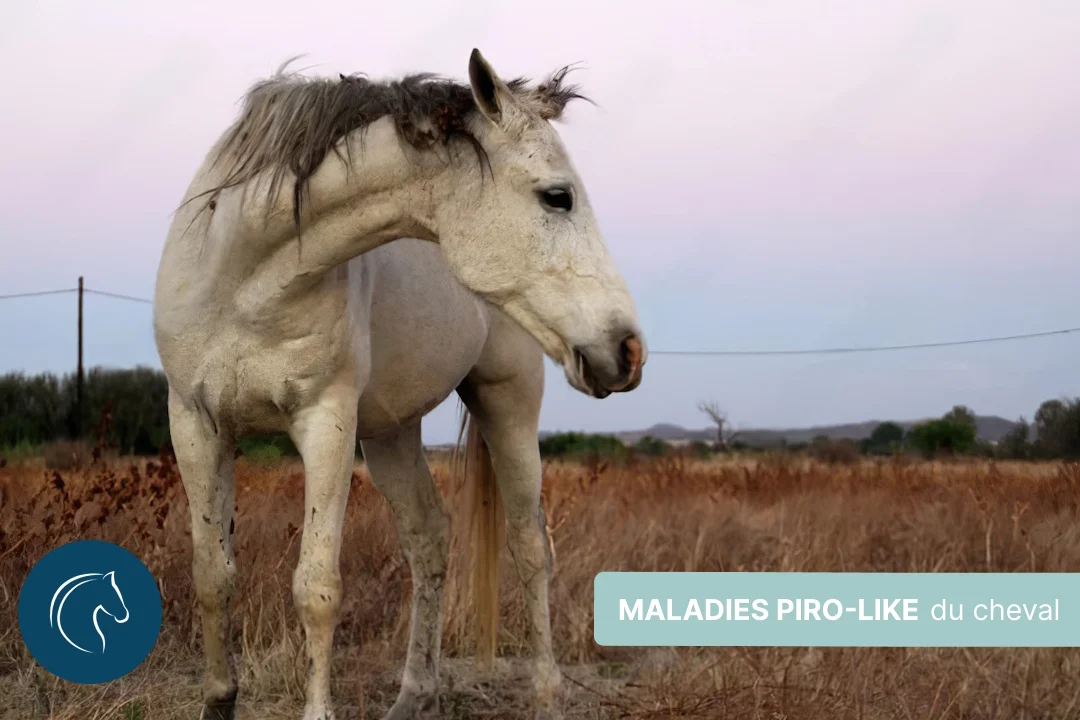
Piroplasmosis and piro-like diseases of the horse - symptoms, treatments and pre
28 March 2025
Read moreIntroduction
Piroplasmosis, or equine babesiosis, is a serious parasitic disease caused by two main types of protozoa: Babesia caballi and Theileria equi. These parasites are transmitted to horses by ticks, notably of the Dermacentor and Rhipicephalus genera. Once infected, the horse may present a variety of symptoms, often difficult to distinguish from other equine diseases, making diagnosis a complex task.
The consequences of piroplasmosis
Piroplasmosis can have a wide range of consequences, from mild fatigue to life-threatening complications. In addition to piroplasmosis, other so-called piro-like diseases (such as anaplasmosis and borreliosis) present similar symptoms. These diseases, which are also transmitted by ticks, are a serious threat to horses' health.
Symptoms of piroplasmosis in horses
Clinical signs to watch out for
Piroplasmosis can manifest itself as a combination of various symptoms:
- High fever
- Anemia: destruction of red blood cells, causing pale mucous membranes (gums, eyelids).
- Fatigue and general weakness
- Icterus (jaundice): yellowish tint of the skin and mucous membranes
- Hemoglobinuria: dark red to brown urine with an unusual odor
- Loss of appetite and weight
- Respiratory distress
When these symptoms appear, it's crucial to consult a veterinarian without delay.
Piro-like diseases: Symptoms and diagnosis
Equine anaplasmosis
Caused by Anaplasma phagocytophilum, this disease results in :
- High fever
- Lethargy
- Swelling of the lower limbs
- Ataxia (motor coordination disorders)
Diagnosis is based on blood smears and PCR tests.
Equine Ehrlichiosis
Caused by Ehrlichia risticii, this disease is also transmitted by ticks and can cause :
- Fever
- Severe diarrhea
- Rapid dehydration
Equine borreliosis (Lyme disease)
This disease, caused by Borrelia burgdorferi, leads to :
- Muscle and joint pain
- Moderate fever
- Neurological symptoms (facial paralysis, limb weakness)
- Intermittent swelling of joints
Treatment and prevention
Veterinary diagnosis and treatment
Conclusion
Piroplasmosis and piro-like diseases represent a real danger for horses. Prompt treatment is essential to reduce the risk of complications. If in doubt, always consult a veterinarian to ensure your horse's health.
Share your questions and experiences with us in the comments ↓
-
 Horse advice
Preparing your horse for an equestrian competition, our advice
17 March 2025
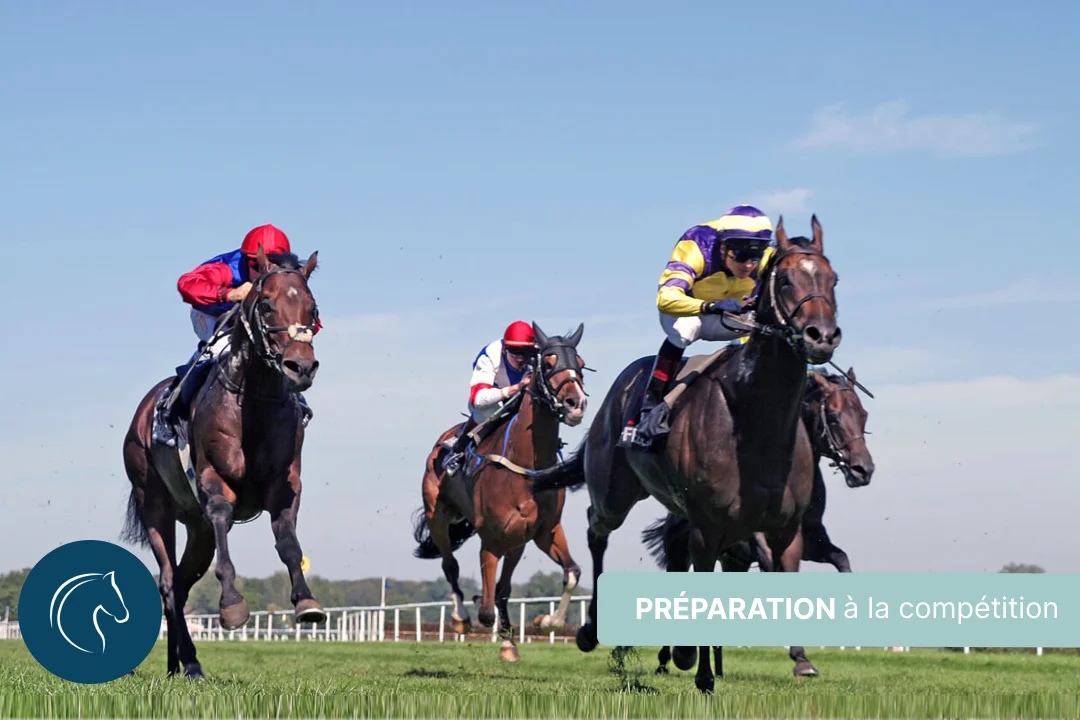
Read moreWhy is it important to prepare your horse for competition?
It is important to know that horse racing is a physically intense event that requires a certain amount of effort from the horse. In order to preserve its physical and mental health, it is important to prepare for the competition period.
In order to ensure the horse's performance during the tests, several factors must be taken into consideration to properly prepare the horse for the effort. This is the key to success!
Indeed, the horse must be put in physical condition weeks before the competition. For racehorses, training sessions are scheduled well in advance.
Among the points of vigilance, it is recommended to support the cardio-respiratory and musculo-skeletal system of the horse. This will ensure the horse's well-being and avoid any trauma or physical injury.
The preparation includes physical exercises adapted to the horse and the nature of the competition. A well-muscled horse will have much less chance of injury and will recover more easily.
Natural food supplements are generally very appreciated for their healthy composition and their action that helps to recover faster.

Banning doping products in equestrian competition
Doping is one of the important issues in the equestrian world. Indeed, many cases are identified very regularly. The official bodies reinforce the anti-doping controls to fight against fraud. We are talking about the animal as well as the rider.
Substances that act on the body, procedures aimed at modifying physical capacities such as neurectomy or diuretic doping products should be banned.
The few products that are acceptable are anti-parasitics, anti-infectives or vaccines that should not be administered within 7 days before the horse show.
There are other legal and safe alternatives to improve the horse's performance and prepare it for competition.
For example, we can mention food supplements based on active principles of plants that strengthen the body health of the horse.
Opt for food supplements
The preparation of the horse for the competition is generally done in 2 stages: before the competition for the physical condition and also after for the post competition recovery.
The adaptation of the feed is one of the important aspects to prepare the horse for exercise. The choice of feed should be based on the type of exercise and the health of the animal.
Lore & Science has formulated specific products to best meet the needs of the horse in the context of sporting events.
Before the equestrian competition
This preparation phase is very important to boost the horse's performance. The focus is on the musculo-skeletal metabolism consisting of the skeleton, muscles and tendons.
The goal is to avoid cramps, soreness and myositis. The latter is an inflammation of the muscle triggered by exercise. It is characterized by :
- Hard muscles on palpation
- Sweating
- Brown urine due to the presence of myoglobin in the blood
After the equestrian competition
It is important to know that sports efforts lead to the production of lactic acids and cellular oxidation. It is therefore essential to give special care to the horse after the competition to promote muscle recovery and help eliminate waste.
This will help to protect him from pathologies related to too much physical effort such as arthritis.
The Acidless product helps the athletic horse to recover more quickly and without after-effects. Formulated from medicinal plants and essential oils, it can also be used in case of myositis.
It is added directly to the horse's feed for 3 days after the sporting effort with a quantity of 20 ml per day.
In addition to nutritional supplements, it is possible to facilitate post-training recovery through theapplication of external treatments and targeted massages.
Do you compete in equestrian events? Share your experience with us in the comments ↓
On sale
100% natural guaranteed solutions
















Paiement
Sécurisé

100% végétal
sans ogm

Fabriqué
en france

Livraison
rapide

Sans agents
chimiques
Newsletter Lore&Science
Subscribe and
Subscribe and
get 10% off