

- Our products
-
 My account
-
 Cart
Cart





Connexion
Create an account
Create an account
Connexion

Lore&Science's blog
Discover our range of health supplements specially formulated to support the well-being of dogs, cats, and horses, helping maintain their vitality, mobility, and overall balance every day
-
 Health topics
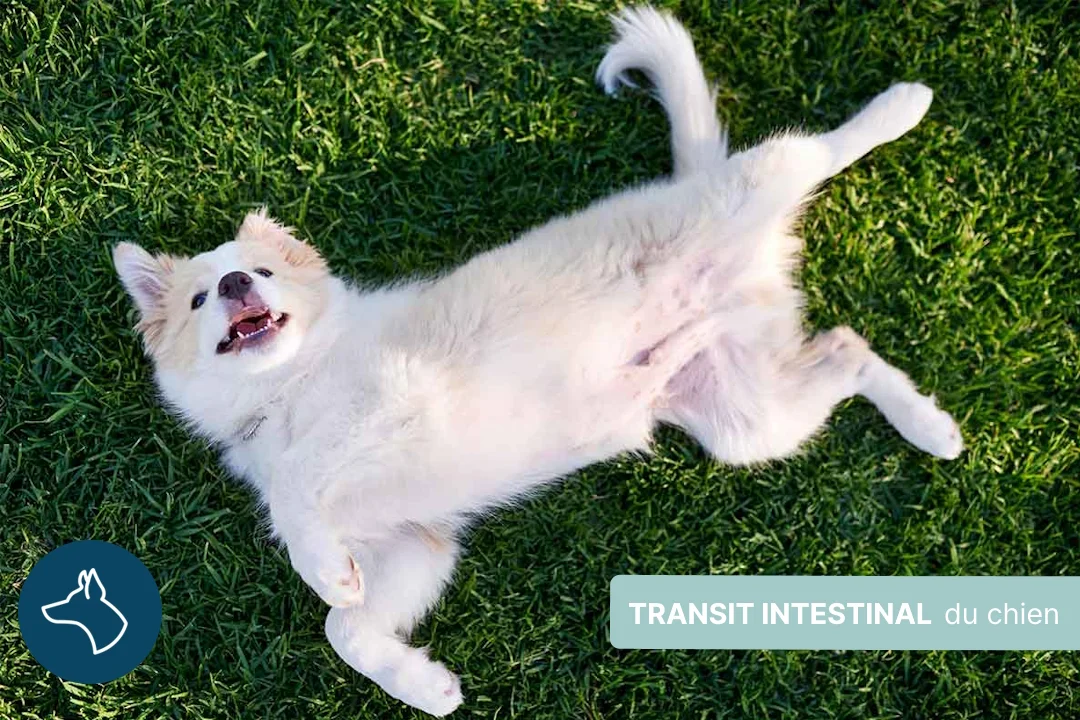
Your dog's intestinal transit: the right reflexes
12 November 2025
Read moreWhy can a dog's bowel function go awry?
A dog's intestinal transit depends on a fine balance between diet, intestinal flora, hydration and activity level. A number of factors can upset this balance, causing either a slowdown (constipation) or an acceleration (diarrhea):
- Sudden change of food or ration, rich treats or table scraps.
- Unsuitable ration (too low in fermentable fibre or quality protein).
- Lack of hydration or regular physical activity.
- Stress (travel, childcare, new environment) and anxiety.
- Digestive parasitosis, inflammatory disorders, food sensitivity.
- Side effects of certain medications or age (puppies and seniors are more sensitive).
Signals to recognize early
When transit slows down (constipation)
Constipation refers to infrequent, dry and difficult bowel movements. Pay particular attention to:
- Efforts or groans during defecation, frequent posture without emission.
- Small, dry or "ball" stools, sometimes with a little mucus.
- Abdominal pain, lethargy, loss of appetite, bloating.
- Licking of the hindquarters or visible discomfort.
When transit speeds up (diarrhea)
Diarrhea means soft to liquid stools and more frequent emissions. Look for the following signs:
- Frequent emergencies to go out, sometimes accidents in the house.
- Mucus may be present, with occasional streaks of blood.
- Borborygma, gas, discomfort or loss of enthusiasm for meals.
- Risk of dehydration if losses are high.
What can be done to rebalance transit?
Prompt treatment reduces discomfort and complications. From the very first signs, adopt simple gestures and monitor progress over 24 to 48 hours.
Immediate action
- Ensure free access to clean, fresh water; provide several water points.
- Split the ration (2 to 3 small meals) with a highly digestible, balanced food.
- Maintain regular outings and gentle activity to stimulate intestinal motricity.
- Avoid table scraps, bones and sudden changes in diet.
- Support flora with prebiotics and/or probiotics when necessary.
- Maintain a routine of daily exercise and quiet time to limit digestive stress.
When should you see your vet?
Some signs require immediate veterinary advice:
- Puppy, senior dog, fragile animal (known pathology) or current medication.
- Repeated vomiting, marked pain, depression, fever, suspected foreign body ingestion.
- Presence of large amounts of blood in stools, signs of dehydration.
- No improvement beyond 24-48 hours despite basic measures.
Conclusion
A balanced intestinal transit is based on a suitable diet, good hydration, regular exercise and careful management of changes. At the first signs of imbalance, simple gestures and natural support can make all the difference.
FAQ
How to increase fiber without disrupting transit?
Gradually increase the amount of fiber over several days to give the microbiota time to adapt. Ask your vet for advice on the type and dose best suited to your dog's profile.
Acute diarrhoea: how long should I wait before consulting a doctor?
If your dog remains alert and well hydrated, 24 to 48 hours' monitoring may suffice with basic measures. Consult us earlier if your dog shows signs of weakness, blood in the stools, repeated vomiting or pain.
Are probiotics useful in everyday life?
They can support microbiota balance during high-risk periods (food changes, stress, travel). The duration of use depends on the context; veterinary advice helps to personalize the appropriate course of action.
Can yoghurt be given to dogs for digestion?
Some dogs tolerate it, others don't. Yogurt does not provide the same concentration or strains as dedicated probiotics. Choose products formulated for dogs, and ask your vet for advice.
-
 Health topics
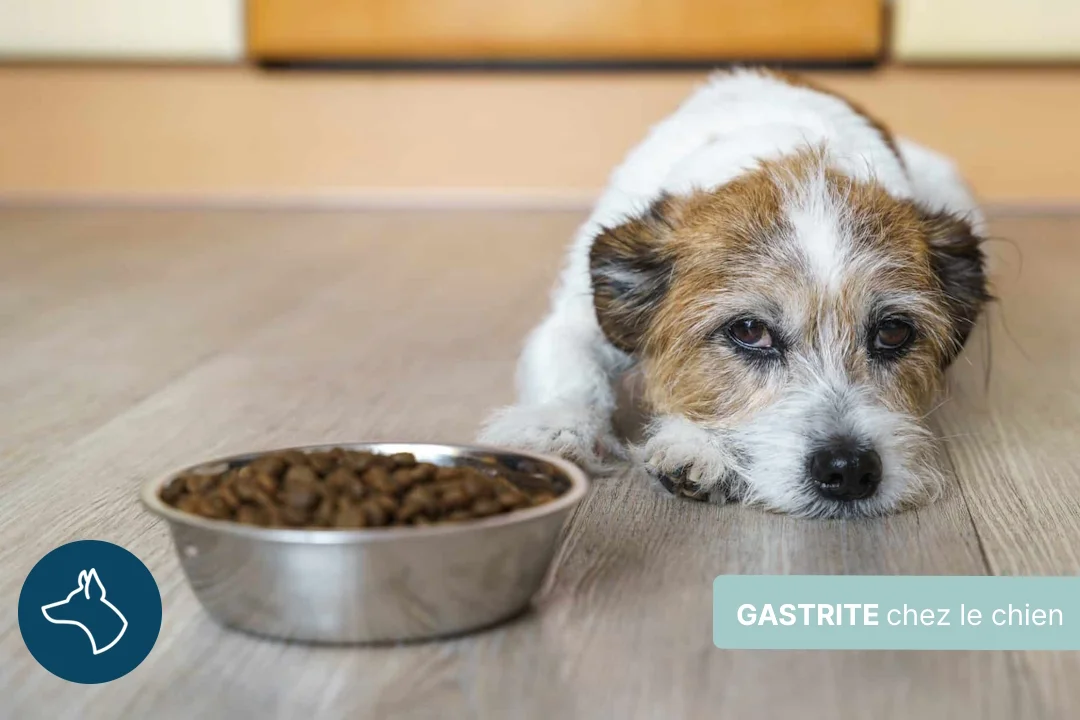
Gastritis in dogs, symptoms and solutions
06 October 2025
Read moreUnderstand and naturally relieve canine digestive disorders.
Gastritis is an inflammation of the mucous membrane of the dog's stomach, often underestimated but nonetheless common. It can be acute or chronic, causing a variety of digestive symptoms of varying intensity. In this article, find out why your dog may suffer from gastritis, how to recognize the signs in good time and what natural solutions can help him regain good digestive comfort.
Why can a dog suffer from gastritis?
Gastritis in dogs is a multifactorial disorder: it can be linked to dietary errors, stress, infection or chronic irritation of the gastric mucosa. Understanding its origins enables us to adapt care and prevention measures.
- A diet that is unsuitable, too fatty, too rich or of poor quality.
- Ingestion ofspoiled food, table scraps or irritants (plants, household products, etc.).
- Stress, changes in routine oranxiety that disrupt the digestive system.
- Certain bacterial infections (such as Helicobacter), or the presence of intestinal parasites.
- Prolonged use of medications (anti-inflammatories, corticoids) that can irritate the stomach.
Signs to recognize
Depending on its severity, gastritis can be discreet or more pronounced. Careful observation of your dog's behaviour is essential to detect the first signs and act quickly.
- Repeated vomiting (often of bile, especially on an empty stomach).
- Loss of appetite or changes in eating habits.
- Sluggishness, lethargy or unusual nervousness.
- Excessive salivation, nausea, frequent yawning.
- Abdominal pain: the dog curls up or moans when touched.
- Progressive weight loss in chronic gastritis.
How to deal effectively with gastritis in dogs?
Prompt treatment is essential to avoid complications (ulcers, dehydration, weight loss). Here are the key steps:
- Consult a veterinarian: Diagnosis is based on a clinical examination, sometimes supplemented by a blood test or ultrasound scan. The veterinarian can adapt the diet and prescribe symptomatic treatment.
- Adapt your diet: give preference to highly digestible food, in small quantities but more frequently.
- Avoid fatty foods, industrial sweets and table scraps.
- Choose lean proteins (chicken, turkey, rice, cooked carrots, etc.).
- At the same time, natural supplements can soothe the gastric mucosa, regulate acidity and promote intestinal flora.
Conclusion
Gastritis in dogs is a common but often reversible condition when detected early. A balanced diet, good stress management and the use of natural supplements like Gastro Dog can provide lasting stomach relief and improve your companion's quality of life.
FAQ
How can I tell if my dog is suffering from gastritis?
Vomiting on an empty stomach, loss of appetite and listless behavior are often revealing. A veterinary consultation will confirm the diagnosis.
How serious is gastritis in dogs?
Usually not, but it can become chronic or complicated by ulcers if not treated promptly.
My dog vomits in the morning on an empty stomach. Is it gastritis?
This is common when the stomach is too empty; bile irritates the mucous membrane. A light meal before bedtime and a digestive supplement can help.
Can Gastro Dog be combined with veterinary treatment?
Yes, Gastro Dog can be used as a complement to medical treatment, with the advice of a veterinarian.
-
 Health topics
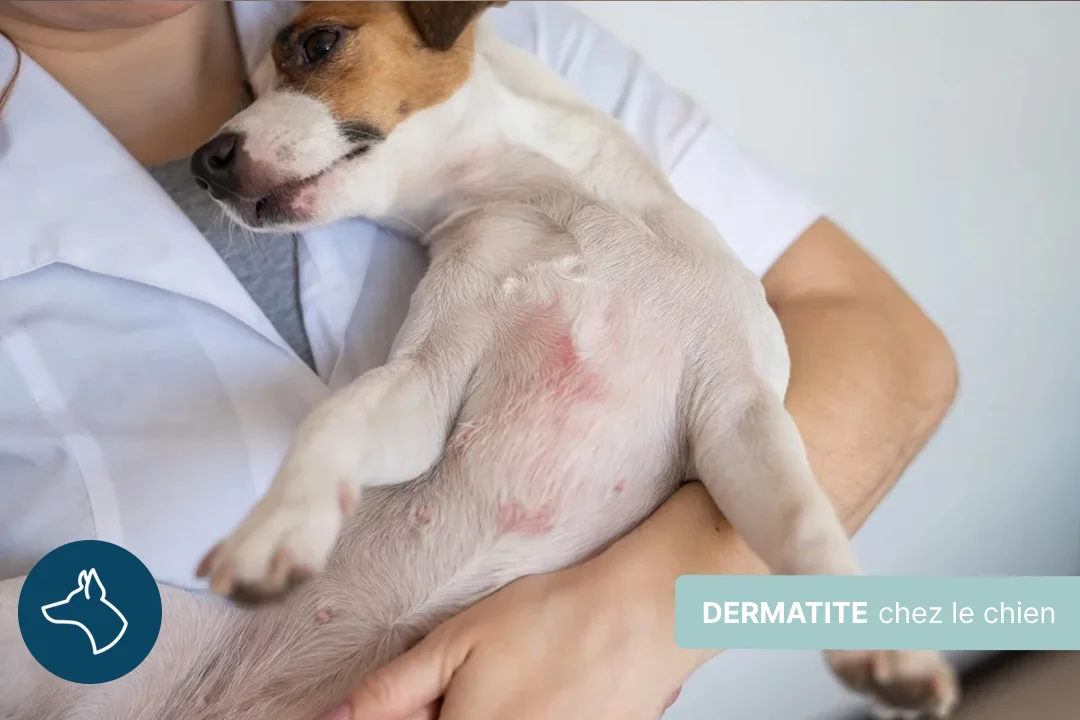
Dog dermatitis, symptoms and treatment
08 July 2025
Read moreRecognizing skin disorders in dogs.
Dermatitis is a common skin condition in dogs, which can have multiple origins: allergic, parasitic, bacterial or environmental. It often causes itching, redness, irritation and discomfort.
Why can a dog suffer from dermatitis?
The causes of canine dermatitis are varied, but among the most common are :
- Food or environmental allergies (dust mites, pollens, molds).
- Flea bites or other parasites (scabies, augusts).
- Bacterial or fungal infections.
- A genetic predisposition or weakened immune system.
- Inadequate hygiene or chronic stress.
Signs to look out for in your dog
The symptoms of dermatitis can vary depending on the cause, but certain signs should raise a red flag:
- Frequent itching (scratching, licking or biting).
- Redness, patches or scabs on the skin.
- Localized or generalized hair loss.
- Unpleasant odor coming from the skin.
- Agitated or irritated behavior.
How to take effective action?
Prompt treatment is essential to preventskin lesions from worseningand to relieve your dog. Here are a few recommendations:
- Identify and eliminate the cause of dermatitis (parasites, food, allergens).
- Maintain good hygiene with care products adapted to canine pH levels.
- Offer a balanced diet, rich in omega-3 and antioxidants.
- Use soothing natural remedies in addition to veterinary treatment if necessary.
Allergo Derme Dog: a natural spray to soothe your dog's skin
Conclusion
Dog dermatitis can seriously affect your dog's well-being. By acting quickly, adapting your dog's environment and using natural solutions like Allergo Derme Dog, you can help keep your dog healthy and comfortable on a daily basis.
FAQ
What time of year is dermatitis most common?
Episodes of dermatitis are often more frequent in spring and summer, due to outdoor allergens and parasites.
My dog is scratching but I can't see anything on his skin. Is it dermatitis?
Symptoms may be internal or incipient. A veterinary consultation is recommended for early diagnosis.
Are long-haired dogs more at risk?
Yes, long-haired dogs can retain moisture, allergens and parasites more easily.
-
 Health topics , Horse advice
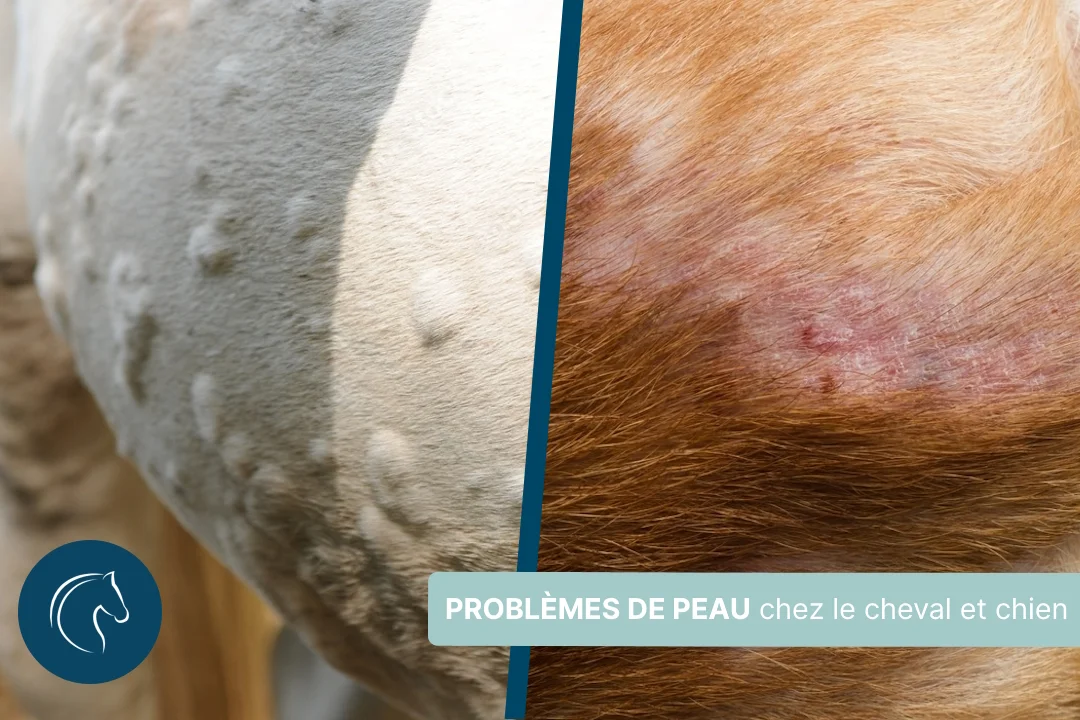
Skin problems in dogs and horses, the benefits of vitamin c
26 June 2025
Read moreHow to boost the immune system of dogs and horses prone to skin problems?
The link between the immune system and skin disease in horses and dogs is often overlooked. Yet an effective immune system acts as a shield against skin disease. A weakening of this system can then trigger a variety of dermatological disorders, from infections to complex allergies. In this article, the experts at Lore & Science explain the best ways to boost the immune system of your skin-prone canine or equine companion. The aim: optimal skin health and lasting well-being.
What is the link between the immune system and skin health in horses and dogs?
Whether we're talking about dogs or horses, the immune system plays an essential role in protecting the body against infection, allergens and disease. This includes defense of the skin, the body's largest organ, which acts as a primary barrier against external aggression.
A weakened immune system means a reduced ability to fight off pathogens. Bacteria, viruses and fungi can all cause skin infections. Without an adequate immune response, these micro-organisms multiply, leading to skin damage, inflammation and infection . There can also be exaggerated responses to common allergens, leading to conditions such as atopic dermatitis. The latter is characterized by intense itching, redness and skin irritation, further compromising the skin's integrity.
Some dogs and horses are genetically predisposed to immune weakness, increasing their risk of developing skin problems. In addition, environmental factors such as stress, poor diet and exposure to toxins can weaken them and make them more vulnerable to skin disorders.
How can I boost my pet's immune system and skin health?
There are three main areas to watch out for to ensure your four-legged friend's good health: diet, stress and preventive care adapted to his age and lifestyle.
Preventing skin disorders in horses through nutrition
In turn, horses fed the right diet are less prone to allergies and other skin diseases. A diet rich in vitamins, in particular vitamin C and vitamin PP (Niacin), helps boost the equine immune system. These vitamins, found in VitaBIO C & PP (horse)play a crucial role in protecting the skin and modulating the immune response.
Stress management and well-being
Treating and preventing skin diseases in dogs and horses
The skin is our pets' first protective barrier against many infections and diseases. When our pets are prone to skin problems and ailments, such as allergies or genetic predisposition, it's important to establish an appropriate skin care routine.
On the one hand, regular hygiene is crucial to removing dirt, debris and allergens that can irritate the skin and open the door to infection. For dogs, regular bathing with shampoos adapted to their skin type helps keep skin clean and healthy. For horses, daily grooming not only cleans the coat, but also stimulates blood circulation. On the other hand, prevention and control of external parasites (fleas, ticks and mites in particular) are fundamental to avoid skin irritations and infections. Regular use of suitable anti-parasite products is a must.
Even if your four-legged friend doesn't suffer from skin problems, taking care of it on a daily basis will help support its immune function and guard against potentially more serious conditions.
Conclusion
In conclusion, the close link between the immune system and skin health in our canine and equine friends is undeniable. A well-performing immune system acts as a shield against a multitude of dermatological disorders. Degradation of this defense can lead to a variety of problems, from simple irritations to more complex and debilitating conditions. Remember, however, that every animal is unique, and that a veterinary consultation is essential to adapt these recommendations to your companion's specific situation.
Share your experience or questions with us in the comments ↓
-
 Health topics
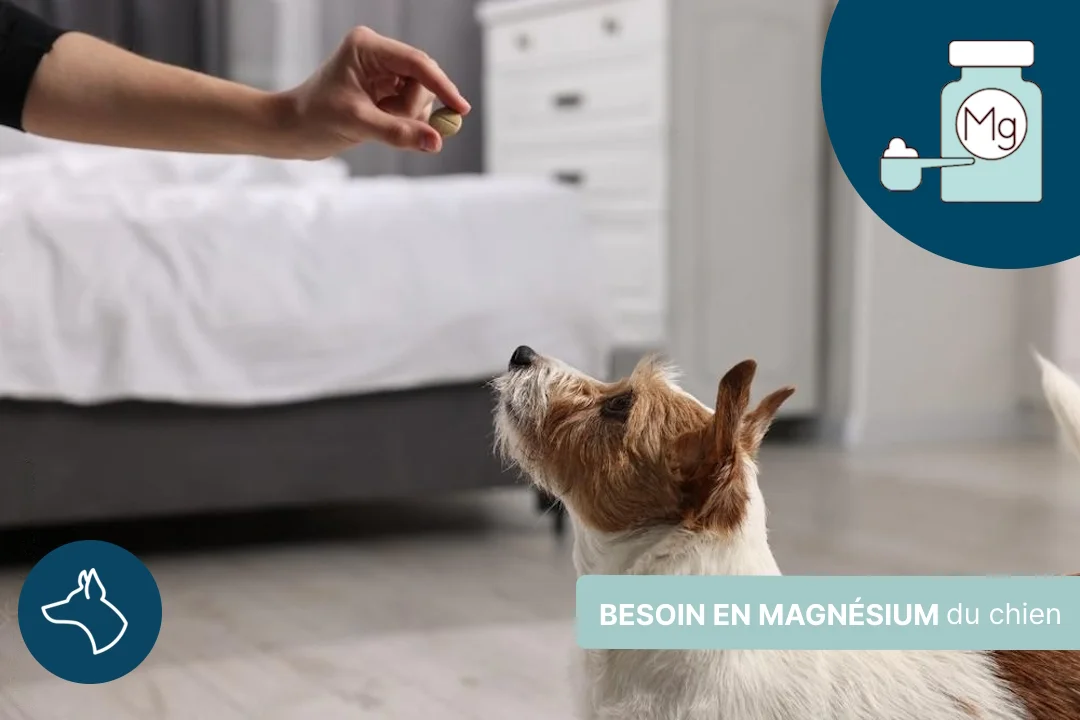
Does your dog need magnesium?
17 June 2025
Read moreAs you already know, your dog is a carnivorous animal. However, although his nature leads him to feed mainly on meat, he needs much more to stay in top health. Among the many nutrients essential to his well-being, magnesium holds a special place. This often overlooked mineral is fundamental to the proper functioning of the body. Magnesium not only influences muscular and nervous capacities, but also plays a crucial role in stress management,improving recovery after exercise, and maintaining behavioral balance. In this article, Lore & Science explains why this mineral is essential to your dog's health, and how you can ensure he gets enough every day.
The role of magnesium in the dog's body
In dogs, as in humans, magnesium is essential for the proper functioning of muscles and nerves, regulating blood pressure and maintaining bone density. This mineral is also a cofactor in over 300 enzymatic reactions, which means it is necessary for the activation of various enzymes essential to survival.
One of magnesium's most important roles is in muscle support. It helps regulate muscle contractions and prevent cramps and spasms. In athletic dogs or those who exercise a lot, it is particularly crucial to ensure proper recovery after exertion. Adequate intake also helps prevent muscular rigidity and promotes flexibility. A real asset, especially for older dogs!
The effects of magnesium on behavior and stress
Just like humans, dogs can be subject to episodes of stress andanxiety, whether due to changes in their environment, loud noises such as thunderstorms or fireworks, or separation from their owners.Agitation,excessive barking, destruction of objects or digestive problems are all behaviors indicative of stress that you may have already noticed in your companion.
Magnesium helps regulate the production of cortisol, the stress hormone, and thus contributes to calming nervous reactions. It acts as a natural muscle and nervous system relaxant. As such, it moderates excessive reactions to stressful stimuli. As a result, an adequate intake of magnesium can promote more serene, balanced behavior in your dog.
Risks of magnesium deficiency in dogs
Unfortunately, magnesium deficiency is not uncommon in dogs, particularly due to inadequate diet or intestinal absorption problems. Signs of magnesium deficiency can vary, but generally include:
- muscle weakness
- tremors
- cramps
- lethargy
- behavioral problems (hyperexcitability or anxiety)
Dogs suffering from severe deficiencies can even develop more serious problems, such as convulsions or cardiac arrhythmias.
Growing puppies, pregnant or lactating females and sporting dogs are particularly vulnerable to magnesium deficiency. Similarly, older dogs or those suffering from certain chronic illnesses may be at risk of deficiency due to reduced intestinal absorption or disturbed metabolism.
The importance of a magnesium-rich diet
Magnesium, an indispensable ally for your dog's health
Magnesium is a mineral of vital importance to your dog's well-being. This essential nutrient plays a multifaceted role in muscle support, post-exertion recovery and stress management. Its presence is essential to the proper functioning of the canine organism, and its absence can lead to physical and behavioral problems. Ensuring an adequate magnesium intake through a balanced diet and, if necessary, supplements will help prevent deficiencies and keep your companion in top health. Whether your dog is an accomplished athlete or simply prone to stress, investing in his health means offering him the best every day by your side.
Share your experience or questions with us in the comments ↓
-
 Health topics
Heat and hormonal disorders in bitches
04 June 2025
Read moreUnderstand and support your bitch's hormonal cycles.
A bitch's heat is part of her natural reproductive cycle, but it's sometimes accompanied by hormonal and behavioral problems that can disrupt her daily life and that of those around her. How can we recognize the signs and prevent them? What treatments and natural solutions are available? In this article, you'll find a complete guide to help you better understand and support your dog, with a special focus on Lore & Science's natural supplement Horma Regul Dog.
Why can a bitch suffer from hormonal problems?
Hormonal disorders in bitches are often linked to hormonal cycles and fluctuations. Here are the main causes to consider:
- Hormonal imbalances after heat or nervous gestation.
- Nervous pregnancies: maternal behavior (licking, nest building) in the absence of gestation.
- Environmental stimulation: presence of males, stress, change of environment.
- Racial or individual factors: certain breeds or individuals may be more sensitive.
What are the symptoms of hormonal disorders in bitches?
Manifestations can be varied and sometimes subtle. Here are the main symptoms to watch out for:
- Behavioral changes: irritability, nervousness, hyperactivity or apathy.
- Prolonged or irregular heat.
- Udder development and milk production without gestation.
- More attractive to males.
- Lethargy and loss of appetite.
- Change in vulva or secretions.
When and how to act?
As soon as the first signs appear, it's advisable to consult a veterinarian to rule out a pathological cause and consider appropriate support. Here are some solutions and treatments to consider:
- Lifestyle: reduce stress, maintain regular physical activity and watch your diet.
- Balanced diet: quality nutrients to support hormonal balance.
- Heat management: appropriate hygienic protection and cycle monitoring to anticipate problems.
- Veterinary treatments: in the event of severe or pathological disorders, your veterinarian may prescribe hormone treatments or appropriate medication.
In addition, natural solutions are available to support the hormonal cycle and limit discomfort.
Horma Regul Dog: natural support for hormonal disorders
Conclusion
Heat and hormonal disorders are normal but sometimes confusing stages in a bitch's life. By understanding the symptoms and adopting a holistic approach that combines a healthy lifestyle, veterinary advice and natural supplements like Horma Regul Dog, you can give your bitch the support she needs to get through this period more serenely.
FAQ
At what age do bitches go into heat for the first time?
Heat generally appears between 6 and 12 months, depending on size and breed.
Can Horma Regul Dog be used for prevention?
Yes, it can be given as a course of treatment to support hormonal regulation and prevent associated disorders.
How long will it take to see the effects?
Effects generally appear within a few days to a few weeks, depending on the animal.
Is it compatible with other veterinary treatments?
Yes, but it's best to ask your vet for advice if you're undergoing medical treatment.
-
 Health topics
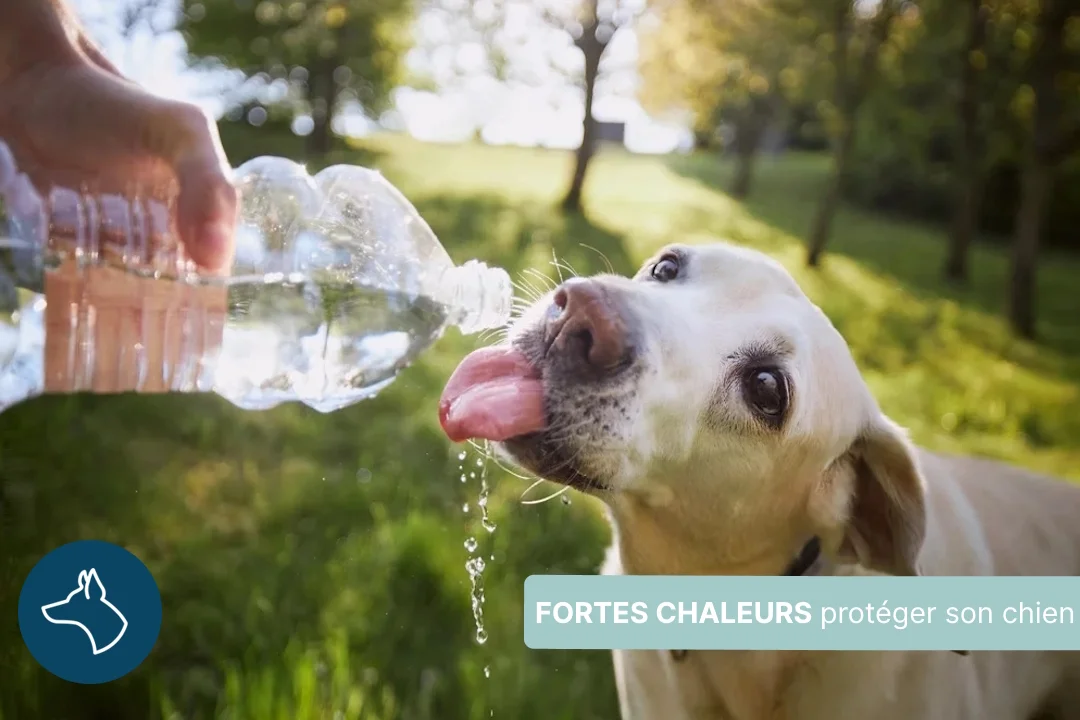
Summer heat: how to protect your dog?
23 April 2025
Read moreHot weather can be a real challenge for our four-legged friends. Unlike us, dogs don't sweat to regulate their body temperature; they rely primarily on respiration to cool themselves. If high temperatures are difficult for you, imagine what they can be like for a dog covered in hair and unable to cool down like we do. So how can you help your companion cope with the heat and stay healthy? Lore & Science offers practical solutions to ensure your dog's well-being during heatwaves.
Signs of overheating in dogs
Before discovering how to help your dog cope with the heat, it's vital to recognize the signs of overheating. A dog in thermal distress generally shows :
- rapid breathing or excessive panting,
- lethargy, where the dog refuses to move,
- excessive salivation.
In the most severe cases, vomiting or diarrhea signal heat exhaustion. In these cases, immediate action is required to avoid potentially fatal heatstroke.
Create a fresh, ventilated environment
The first step in protecting your dog from the heat is to provide a cool, well-ventilated environment. This may seem obvious, but it's important to take a few simple steps to make your dog's living space more comfortable. Good ventilation not only helps cool the ambient air, but also reduces humidity, which can exacerbate the feeling of heat.
If your dog spends time outdoors, create shady areas with umbrellas, shelters or trees to protect him from direct sunlight. Shaded ground will also be cooler.
Moisturizing
Essential for preventing heat stroke
Like humans, dogs lose a great deal of water through respiration and perspiration, mainly through their paw pads. So it's imperative to ensure that fresh, clean water is available to them at all times. To encourage regular hydration, multiply watering points by placing several bowls of water in different parts of the house and garden. Change the water frequently to keep it fresh.
To avoid dehydration, we recommend avoiding walks during the hottest part of the day. Instead, go out early in the morning or in the evening, when temperatures are milder.
The coat
The importance of coat clipping
If your dog has a thick or long coat, the heat can be even harder for him to bear. In this case, proper clipping can help him regulate his body temperature better. However, it's important not to shave your dog completely, as his coat also plays a protective role against sunburn and burns. Ask a professional groomer for advice on the best cut for your dog's breed and coat type.
Feeding
Adapt to different temperatures
During hot weather, you may need toadjust your dog's diet. Opt for lighter meals, divided into several small portions throughout the day, rather than one large meal. This reduces the digestive burden and avoids a rise in body temperature.
Certain foods can also help keep your dog hydrated. Water-rich fruits such as watermelon, cucumber or apples can be offered as treats. Make sure, however, that they are suitable for canine diets and contain no seeds or pits.
Respiratory problems in dogs in hot weather
Heat stroke, first aid procedures
Even with every precaution, it's possible for your dog to suffer from heatstroke. Knowing how to react quickly can make all the difference. If you suspect heatstroke, immediately move your dog to a cool, shady spot. Offer him fresh water, but don't force him to drink if he refuses. You can also wet his coat with cool water, concentrating on areas where blood circulation is important: legs, belly and head.
Avoid using ice water or ice cubes directly on the skin, as this may cause thermal shock. Monitor his condition carefully, and if his symptoms don't improve quickly, contact an emergency vet. Heatstroke can be fatal if not treated in time, so it's crucial not to wait for help.
Conclusion
Summer heat can be a real danger for our four-legged friends. Adequate hydration, a well-ventilated environment, appropriate physical activity, and special attention to dogs with respiratory problems are all keys to preventing the risk of overheating.
Remember that every dog is unique, and his needs may vary according to his breed, age and state of health. When in doubt, always contact your vet.
Share your questions and experiences with us in the comments ↓
-
 Health topics , Horse advice
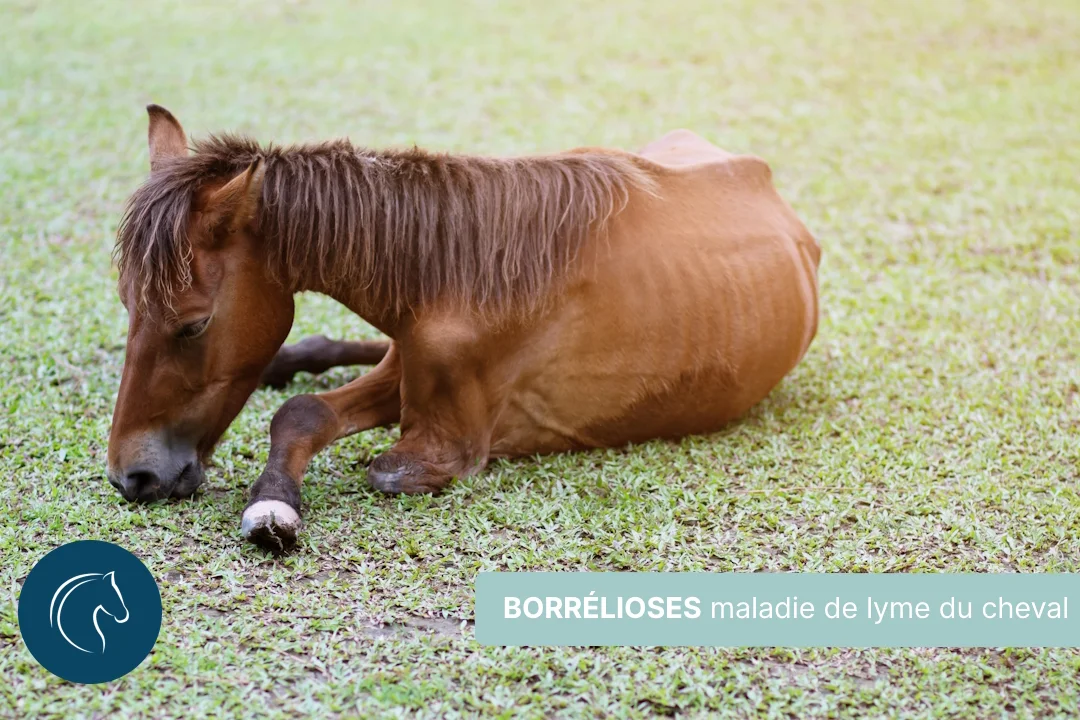
Borreliosis: all you need to know about lyme disease in dogs & horses
10 April 2025
Read moreHave you ever heard of borreliosis? These infections, the best known of which is Lyme disease, can affect dogs and horses as well as humans. They are caused by a bacterium called Borrelia burgdorferi which is transmitted by infected ticks. Borreliosis can be difficult to diagnose, as symptoms can vary considerably. Symptoms, diagnosis, treatment and prevention of borreliosis in dogs and horses, Lore & Science tells you all about it in this article.
Borreliosis: a variety of symptoms
In horses and dogs, symptoms of borreliosis may appear within a few weeks of exposure to the bacteria, but can also take several months to appear. They can also be intermittent, appearing and disappearing without warning. This, of course, complicates diagnosis. In fact, borreliosis is one of the so-called cold infections, as it does not necessarily trigger a fever. Nevertheless, here are a few symptoms that should alert you.
Symptoms of borreliosis in dogs

Dogs, bitches or puppies with Lyme disease or borreliosis-like infections may be lethargic and have low energy levels. They may have difficulty walking, jumping or climbing stairs. Other signs to watch out for include, but are not limited to, the following:
- Fever
- Loss of appetite
- Fatigue
- Joint pain
- Joint stiffness
- Muscle pain
- Swollen lymph nodes
- Neurological symptoms
Symptoms of borreliosis in horses

As with dogs, symptoms of borreliosis in horses, mares and foals can take several weeks to appear after exposure to the bacteria. Among them, lameness is common and can affect one or more limbs. Horses suffering from Lyme disease can also be highly sensitive to pressure, and more reactive to tactile stimuli. We have compiled a list of potential signals of borreliosis in equids:
- Fever
- Lameness
- Swollen joints
- Neurological symptoms
- Weight loss
- Fatigue
- Reduced appetite
- Respiratory symptoms
In all cases, if your horse or dog displays one or more of these symptoms, we recommend that you consult your veterinarian, who will be able to make an appropriate diagnosis.
Diagnosis of borreliosis
Diagnosing borreliosis in dogs and horses is often a challenge for veterinarians, as the clinical signs presented by infected animals can be non-specific and resemble those of other diseases. As a result, it's important to call on a qualified, experienced professional to diagnose this complex disease.
A blood test is commonly used to detect the presence of antibodies against the bacteria responsible for borreliosis. However, it can sometimes give falsely negative results if the dog or horse has recently been exposed to the bacteria. What's more, antibody levels can vary according to the stage of the disease, making diagnosis all the more difficult.
In some cases, the veterinarian may use imaging techniques, such as X-rays and ultrasound, to assess the extent of inflammation in the joints or muscles. These tests can also detect other abnormalities, such as fractures and tumors. However, as they are not specific to borreliosis, they can only be used to confirm the diagnosis.
Finally, it's important to note that early diagnosis of borreliosis is crucial to successful treatment. Therefore, if you notice any signs of the disease in your pet, don't hesitate to consult a veterinarian immediately to avoid any complications.
Treatment of borreliosis in dogs and horses
Treating borreliosis in dogs and horses is a complex process, and usually involves a combination of treatments. In general, veterinarians prescribe antibiotics to combat the bacterial infection. Doxycycline and amoxicillin are the antibiotics most commonly used to treat borreliosis, as they are effective in killing the bacteria responsible for the infection.
However, treatment of borreliosis can be a protracted process, as the infection can be deeply rooted in the animal's body. Consequently, treatment may last several weeks or even months, depending on the severity of the infection. Veterinarians often recommend regular check-ups to monitor the effectiveness of the treatment and ensure that the infection has been completely eliminated.
Antibiotics
Medicinal plants
Prevention of borreliosis in dogs and horses
The best way to combat borreliosis is, of course, prevention. Since these diseases are transmitted by ticks, the best way to prevent them in animals is to reduce their exposure to these mites. There are several preventive measures you can take to help protect your dog or horse.
First of all, avoid as far as possible wooded or grassy areas where ticks are likely to be found. Not letting your dog or horse roam in these areas can greatly reduce its exposure to ticks. If you can't stay away from these areas, then it's a good idea to use tick repellents on your pet. These can take the form of collars or sprays to be applied to your horse or dog before outings.
Also, regularly inspect your dog or horse for ticks. If you find a tick on your pet, remove it quickly. It's advisable not to touch the tick with your bare hands, as this can increase the risk of transmitting the bacteria. Instead, use tick forceps or disposable gloves to remove the tick properly. If you can, store the tick in an airtight container.
Finally, it's important to keep a close eye on your dog or horse after it's been bitten by a tick. If you notice any symptoms of borreliosis, such as fever, muscle stiffness or joint pain, consult your veterinarian immediately. The sooner the disease is detected and treated, the greater the chances of your pet's recovery.
In short, by taking these preventive measures, you can help to significantly reduce the risk of borreliosis in your dog or horse. It's important to remember that prevention is the key to protecting your pet's health and ensuring its long-term well-being.
Questions about borreliosis-type infections in your pet? We'll answer them in comments ↓
On sale
100% natural guaranteed solutions
















Paiement
Sécurisé

100% végétal
sans ogm

Fabriqué
en france

Livraison
rapide

Sans agents
chimiques
Newsletter Lore&Science
Subscribe and
Subscribe and
get 10% off