

- Our products
-
 My account
-
 Cart
Cart





Connexion
Create an account
Create an account
Connexion

Lore&Science's blog
Discover our range of health supplements specially formulated to support the well-being of dogs, cats, and horses, helping maintain their vitality, mobility, and overall balance every day
-
 Health topics
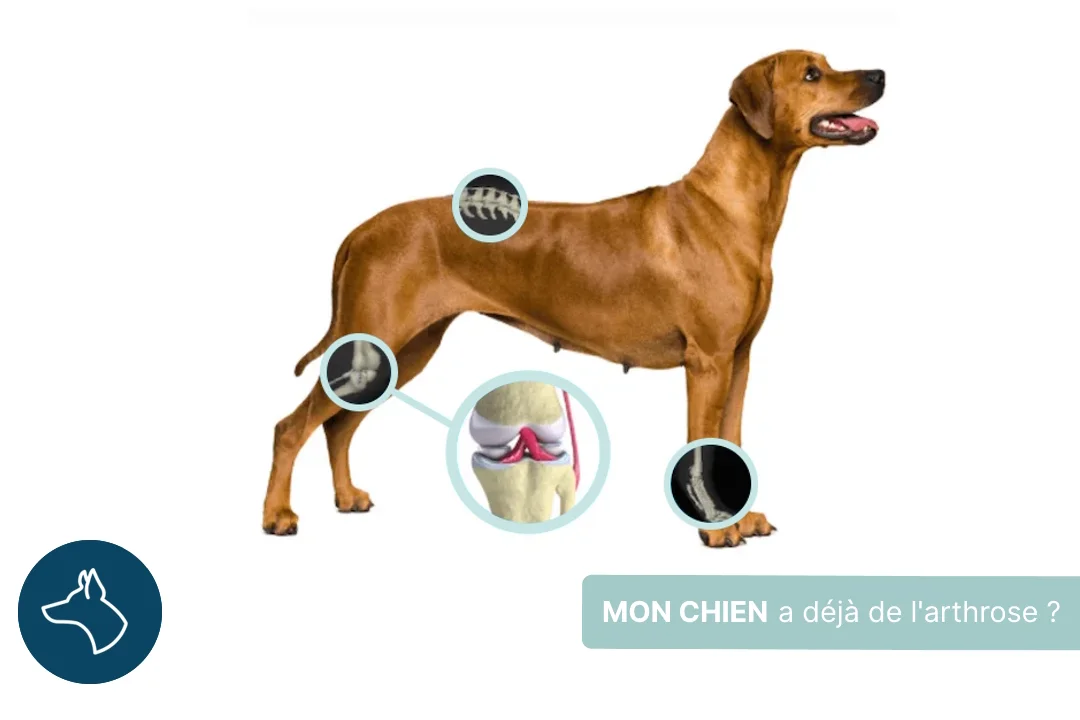
My dog limps, does he already have arthritis?
01 April 2025
Read moreWhy does my dog already have osteoarthritis?
My young dog limps regularly after his walk, the X-rays are formal, my dog has arthritis!
What is osteoarthritis in dogs?
Osteoarthritis, formerly known as rheumatoid arthritis, is a widespread disease in all breeds of dog.
It is a joint disease that progressively destroys the entirejoint, cartilage and bone.Osteoarthritis in dogs, the symptoms
The dog limps after perfectly normal exercises such as his daily walk, he has difficulty getting up, or moves much less flexibly, the dog refuses to go for a walk, no longer wants to go out, can no longer jump, no longer plays.
As osteoarthritis is highly inflammatory, the dog suffers from joint pain.Causes of osteoarthritis in dogs
For a long time it was thought that osteoarthritis in dogs only affected older dogs, but it is not uncommon to see a good number of young dogs, of all breeds, suffering from joint problems. It is true, however, that there are more cases of osteoarthritis in large dogs.
The idea of cartilage wear due to old age is therefore no longer really on the agenda.
Today, several causes are being considered, including the responsibility of a disordered immune system, genetics that are not always very clear and, above all, the quality of the food we give our dogs!
The great absentees of foods: minerals!
The dog's mineral needs are so great that it is not possible to provide it without supplementation, regardless of the food we select for it.
But unfortunately, if the dog already suffers from osteoarthritis, the mineral supplement will not be sufficient to relieve the dog.
What are the solutions for treating osteoarthritis in dogs?
How to relieve osteoarthritis in dogs?
If your dog has an arthritis attack, that is, arthritis, opt for solutions that provide quick relief.
Once the crisis is over, turn to quality supplements that contain ingredients designed for your dog's joint health.
Don't forget to offer your dog some exercise, without intense effort, as movement is the best enemy of joint degeneration due to arthrosis.
Does your dog suffer from osteoarthritis? Share your experience with us in the comments ↓
-
 Health topics
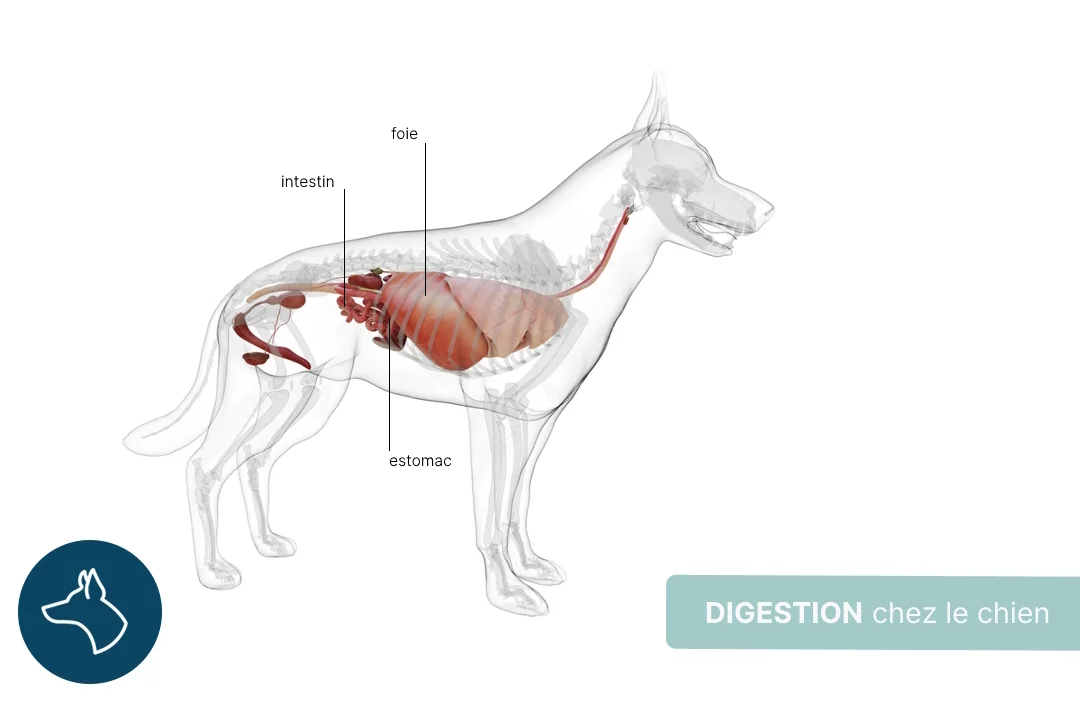
Digestion in dogs: how does it work?
31 March 2025
Read moreGood digestion is essential to your dog's health. That's why it's important to understand how a dog's digestive system works in order to adapt his diet and lifestyle. Lore & Science tells you everything you need to know about canine digestion and gives you its best advice for a healthy dog.
The stages of digestion in dogs
Like most carnivorous animals, the dog has a short digestive system. As such, it is able to digest animal proteins and fats. Through adaptation and domestication, the dog has also developed the ability to digest cooked starch.
Digestion in dogs begins in the mouth. Dogs do not have flat teeth like humans, but sharp, pointed teeth, called carnivorous teeth, that allow them to tear and grind food. Dogs' saliva also contains enzymes that begin to break down carbohydrates.
After chewing, food passes through the esophagus and into the stomach, where it is mixed with hydrochloric acid and enzymes that help break it down further. Proteins are broken down into amino acids, fats are broken down into fatty acids and carbohydrates are broken down into simple sugars. Unlike humans, food spends more time in the stomach of our canine friends. Count on between 4 and 10 hours before passing into the small intestine.
The passage through the small intestine takes an average of 45 minutes, during which most of the nutrients are absorbed into the bloodstream. They are then transported to the body's cells where they are used to provide energy and build new tissue. Residues that are not absorbed pass into the colon, where they are stored until they are eliminated in the form of stool.
What are the digestive problems in dogs?
If the digestive system varies according to the size or breed of your pet, it is still possible that intestinal problems related to digestion occur. These are quite common and often not serious, as long as they are treated promptly. The most common digestive problems are
- Diarrhea: this is a common digestive disorder in dogs. It is characterized by loose or liquid stools, often accompanied by gas and vomiting. It can be caused by a bacterial or viral infection, food allergy, ingestion of foreign objects or an underlying disease.
- Constipation is characterized by difficulty in defecating, hard or dry stools and a decrease in the frequency of bowel movements. A dog is considered to be constipated after a single daily bowel movement. It is often due to a low-fiber diet, dehydration, or even an intestinal obstruction.
- Vomiting: Vomiting is usually the result of improper feeding, infection, or ingestion of foreign objects. Do not neglect your dog's vomiting as it can cause dehydration.
- Food allergies: may show up in symptoms such as vomiting, diarrhea and flatulence.
If you notice symptoms of digestive problems in your dog, such as persistent diarrhea, constipation or vomiting, consult your veterinarian for proper diagnosis and treatment. You can also take preventive action to maintain the quality of your pet's intestinal flora on a daily basis.
How to take care of your dog's digestive health?
To support the intestinal flora and transit of your companion, you can also give him a food supplement concentrated in live prebiotics and probiotics. These are bacteria that are beneficial to digestive health. Thus, our Perfect Flore supplement nourishes and maintains your dog's saprophytic intestinal flora, regulating his intestinal transit, promoting proper food assimilation and boosting his immune system.
How to react in case of canine intestinal disorders?
In conclusion, digestion is a crucial process for your dog's health, and it is important to take care of his digestive health by taking preventive action on a daily basis. If you notice digestive problems in your dog, such as persistent diarrhea or vomiting, consult your veterinarian for proper diagnosis and treatment. With careful attention to your dog's digestive health, you can help keep your pet healthy and happy for years to come.
You have questions or want to share your experience, react in the comments ↓
-
 Health topics
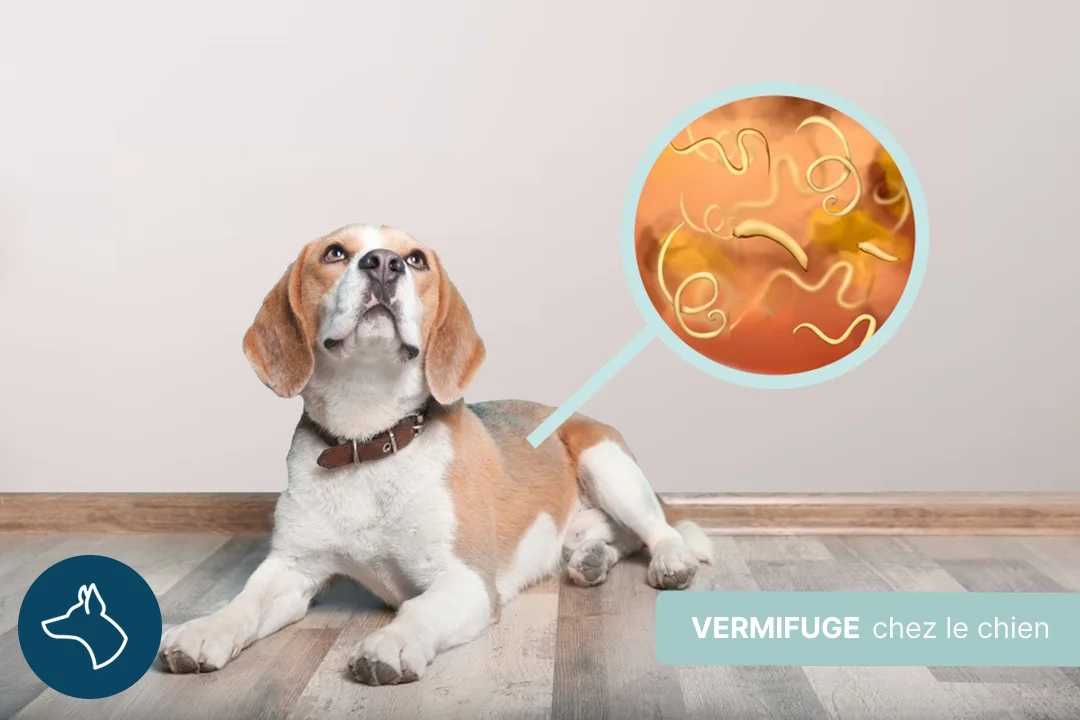
Dog deworming: protecting your pet's health
24 March 2025
Read moreWhether they live more or less outdoors, dogs are exposed to many parasites, one of the most common being worms. Present in food, feces, fleas or transmitted by other animals, worms disturb the health of dogs by causing many health problems. To ensure good health, it is therefore essential to regularly deworm your dog. Signs of infestation, treatment, prevention, Lore & Science tells you everything.
How to spot intestinal parasites in dogs?
At first glance, it is difficult to distinguish the presence of intestinal worms in dogs. Indeed, their presence is not always perceptible or constant in your pet's excrement. However, a certain number of signals can alert you to a potential infestation:
- vomiting
- diarrhea
- loss of appetite
- weight loss
- lethargic behavior
- rubbing of the hindquarters on the ground to relieve oneself
- respiratory problems and recurrent coughing
- white spots that look like grains of rice in the stool
If your dog or puppy shows one or more of these signs, you may want to consult your veterinarian, who will perform a stool analysis. He or she will be able to determine what type of worms are present: roundworms (nematodes), tapeworms (cestodes) or protozoa.
In any case, it is essential to deworm your pet regularly to avoid these infestations that weaken it, whether it is a puppy, an adult dog or a senior dog.
When to deworm your dog?
The frequency of deworming depends on the age and lifestyle of your dog. Puppies should be dewormed every two weeks until they are 12 weeks old, then monthly until they are six months old. Adult dogs should be dewormed every three to six months, depending on their lifestyle.
If your dog spends a lot of time outdoors, hunts, or is in contact with other animals, more frequent deworming is recommended. Dogs with weakened immune systems or those with chronic illnesses may also require more frequent deworming.
In addition, breeding bitches are at risk of transmitting parasites to their litter during gestation and through suckling. Therefore, it is advisable to deworm them a few days before mating, then two weeks before the expected whelping and finally two weeks after the birth.
Why is it important to deworm your dog?
In addition to the unpleasant symptoms that intestinal worms can cause in dogs, such as vomiting and diarrhea, they can also lead to more serious problems such asanemia, dehydration and malnutrition. In addition, some species of intestinal worms can migrate to other parts of the dog's body, such as the lungs, heart and liver, which can lead to serious and permanent damage.
It is also important to understand that intestinal worms are not just a health problem for your dog. Some species of worms can be transmitted to humans, especially small children who are more likely to play on the floor and put things in their mouths. Note that parasites can also be transmitted to other pets, which can lead to a widespread infestation in your home.
Finally, it is important to note that not all dogs are equal in terms of their risk of intestinal worm infestation. Dogs that spend a lot of time outdoors, live in areas where worms are more common, or have a weakened immune system are more likely to become infected. Therefore, it is especially important to deworm these dogs regularly to protect them from parasites.
How to deworm your dog?
First, rest assured that deworming is easy and can be done at home, although you can ask your veterinarian for help. There are two types of dewormers: over-the-counter and prescription-only.
How to avoid intestinal parasites for dogs?
In short, it's important to take steps to prevent worm infestations in your dog. Simple reflexes can be put in place, such as :
- Avoid areas where dogs have defecated.
- Remove your dog's feces quickly.
- Wash your dog's toys and bowls regularly.
- Prevent your dog from eating things he shouldn't, such as garbage or other animals' feces.
In conclusion, deworming is a crucial part of your dog's health. Intestinal worms can cause many health problems in dogs, including vomiting, diarrhea and weight loss. Worms can also be transmitted to humans, especially young children.
It is therefore important to deworm your dog regularly depending on his age, size and lifestyle. Finally, don't forget to take preventive measures to avoid worm infestations in your dog. By following these tips, you can help protect the health of your canine companion and your family.
Do you have a question? Any advice? React in the comments ↓
-
 Health topics
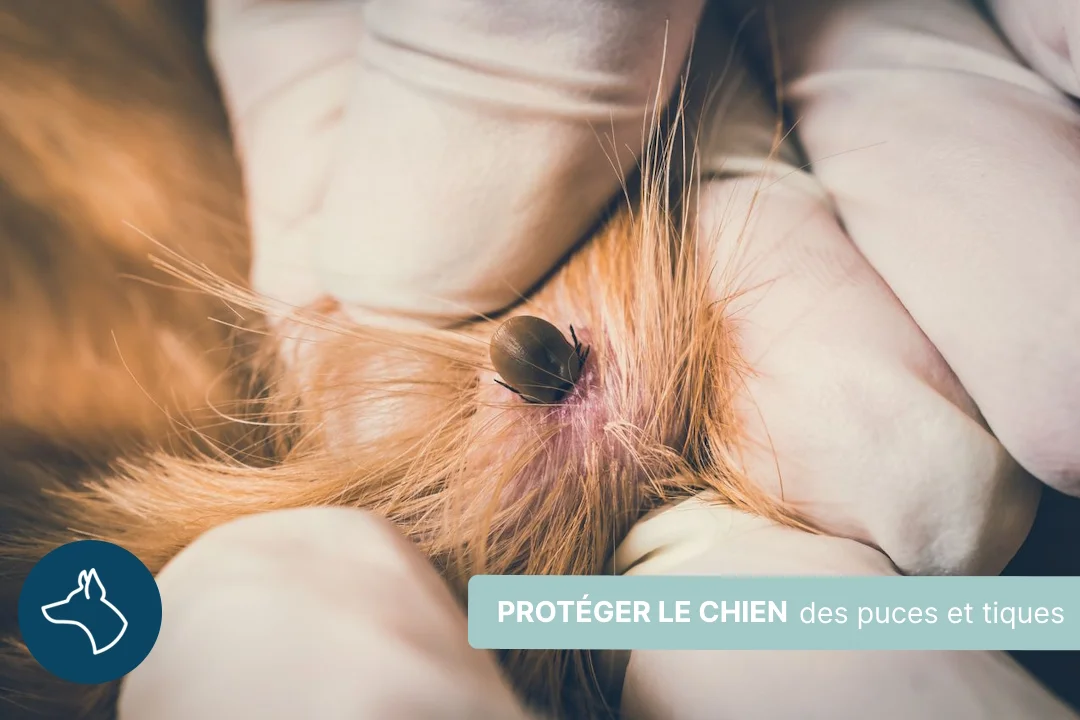
How to protect your dog against fleas and ticks?
17 March 2025
Read moreFleas and ticks are common external parasites in dogs. Fleas are small, wingless insects that feed on the blood of their host. Ticks, on the other hand, are mites that attach themselves to the skin of their host and also feed on its blood. They can remain attached for long periods of time, feeding on blood and increasing in size.
As an owner, it is essential to understand the risks associated with these parasites and to implement effective prevention measures to protect your pet's health. In this article, Lore & Science tells you all about the risks, signs and natural treatments for ticks and fleas in dogs.
Why is it important to protect your dog against fleas and ticks?
Protecting your dog from fleas and ticks is essential for several crucial reasons. First, these parasites can cause your pet great discomfort by causing intense itching and skin irritation. Fleas can quickly infest your dog's coat and multiply rapidly, which can lead to widespread infestation and deteriorating health. In addition, flea bites can trigger allergic reactions in some dogs, leading to further itching and discomfort.
As far as ticks are concerned, they represent a major health risk for our companions. They are vectors of serious diseases such as Lyme disease, piroplasmosis, ehrlichiosis, babesiosis and many others. These diseases can cause serious symptoms such as fever, joint pain, gastrointestinal problems and even heart disease.
In some cases, they can even be fatal if not detected and treated quickly. In addition, some diseases transmitted by fleas and ticks are also dangerous for humans. It is therefore crucial to protect your dog from these parasites in order to prevent their spread to you and your family.
Detecting the presence of fleas in dogs
As mentioned above, fleas are hematophagous parasites. This means that they feed on the animal's blood by biting it. They lay their eggs in the coat and the eggs fall to the ground. This mode of reproduction often leads to a rapid infestation of the animal and its living environment.
Therefore, detecting the presence of fleas in your dog is a crucial step in preventing an infestation and protecting the health of your four-legged friend. One of the most obvious signs of fleas is your dog's frequent and incessant scratching. Fleas can cause intense itching and skin irritation, leading to excessive scratching, licking or chewing.
By carefully inspecting your dog's coat, you can also spot the fleas themselves or their droppings, which look like small black particles. If you crush these particles and see a red streak, it is flea feces.
Another method is to use a specially designed flea comb, carefully going through your dog's coat to catch and remove fleas. If you notice fleas or have any doubts, it is essential to take immediate action to treat your dog and eliminate these parasites.

Identifying ticks in dogs
As mentioned, ticks are small mites that also feed on the blood of their host, which can cause various health problems. To spot ticks, it is important to perform a thorough inspection of your dog's coat, paying special attention to sensitive areas such as the ears, neck, armpits and legs. Ticks usually attach themselves firmly to the animal's skin and may look like small black or brown bumps.
It is recommended to use special tick forceps to remove them properly, making sure to grasp the tick as close to the skin as possible to avoid leaving the head or mouth parts embedded in the skin. It is important to inspect your dog regularly, especially after outdoor walks in wooded or grassy areas where ticks are common.
When your dog is infested with ticks, he or she may show certain symptoms that indicate their presence. First, you may notice excessive itching and skin irritation in the areas where the ticks have attached themselves. Your dog may also lick or scratch frequently.
In addition, the presence of ticks can cause local redness and inflammation. Some ticks can also transmit dangerous diseases, such as Lyme disease, babesiosis or piroplasmosis. Symptoms of these diseases can vary, but may include fever, fatigue, joint pain, gastrointestinal upset and loss of appetite. If you notice these symptoms in your dog and know that he has been exposed to ticks, it is essential to consult your veterinarian for an accurate diagnosis and appropriate treatment.
How to protect your dog naturally against fleas & ticks ?
Fortunately, it is possible to protect your dog from fleas and ticks. In fact, there are even natural methods that are very effective. In fact, certain plants and essential oils have been clinically proven to act as natural repellents. There are two ways to protect your dog or puppy against fleas and ticks: by applying a repellent to the skin or by giving him food supplements for long-lasting protection.
Preventing fleas and ticks in dogs
Protect your dog from fleas and ticks
In conclusion, it is essential to take adequate preventive measures to protect your dog against fleas and ticks. These parasites can cause significant health problems for our four-legged friends. By using quality and natural repellents, you can ensure the well-being and health of your dog.
In addition, it is also recommended that you maintain strict hygiene, check regularly for parasites and consult a veterinarian for personalized advice. By being proactive, you can give your dog a healthy, happy life free of the discomfort that fleas and ticks can cause.
Share your experiences or questions with us in the comments ↓
-
 Health topics
Lameness in dogs: causes, treatment and prevention
10 March 2025
Read moreIt's not uncommon for dogs to suffer from lameness. A dog with a limp is characterized by difficulty in moving and in putting one or more of its limbs on the ground. When the affected limb rests briefly, the lameness can be considered mild, but if the animal doesn't put its paw down at all, it's severe lameness. Lore & Science tells you everything you need to know to understand, treat and prevent lameness in your pet.
What are the symptoms of lameness in dogs?
Lameness is easily recognized in dogs. Symptoms may vary depending on the underlying cause, but generally include:
- Difficulty putting down a leg
- A shaky gait
- Abnormal head bobbing or bouncing
- Pain on loading
If your dog displays any of these symptoms, your first instinct should be to consult a vet to determine the underlying cause and prescribe the right treatment.
Common causes of canine lameness
First of all, it should be noted that lameness can affect all dogs, whatever their size, breed or age. Depending on these criteria, however, lameness can be the consequence of a number of different causes, which it's important to identify in order to treat them more effectively.
Trauma
Trauma is the most common cause of lameness in dogs. The injury may be the result of a shock, a fall or an accident. Sometimes these unforeseen events occur simply while running, jumping or playing, and can result in sprains, fractures or dislocations. Taking these injuries into account is essential, as they can lead to muscle, bone or joint damage. The severity of these injuries can vary according to the severity of the trauma.
Injuries can also occur to the paw pads, or if a foreign object becomes lodged in the animal's paw. Regular inspection is essential to limit the risks.
Joint diseases
Lameness can also have a non-traumatic origin. For example, certain joint diseases, such asarthritis or hip dysplasia, can cause a dog to limp. Arthritis is an inflammation of the joints that can be caused by age, obesity, infection or autoimmune disease. Hip dysplasia, on the other hand, is a malformation of the hip joint that can cause arthritis and difficulty in movement.
Bone diseases
Another cause of lameness in dogs is bone disease. These are more serious causes and, unfortunately, can sometimes include tumours.Osteosarcoma, for example, is a malignant bone tumor more common in large dogs. There's alsoosteomyelitis, a bone infection caused by injury or surgery.
Muscular diseases
Finally, a dog can also go limp as a result of muscle disease. One possible disease is myositis, an inflammation of the muscles that can be caused by infection or autoimmune disease. There's also myopathy, a genetic disease that affects the muscles and often leads to lameness.
How to treat a dog with a limp
Treatment of lameness in dogs depends on the underlying cause. If it's caused by a minor injury, rest and pain relief may be enough to solve the problem. However, if the cause is a serious injury, joint disease or infection, more intensive treatment may be required.
Tips to prevent lameness
Preventing lameness in dogs can be difficult, as some causes are unpredictable. However, there are steps you can take to help reduce the risk.
First and foremost, make sure your dog has a balanced, nutritious diet, as well as regular exercise to maintain healthy muscles and joints. It's also important to monitor your dog carefully for signs of lameness as soon as they appear, as early treatment can help avoid serious complications. Finally, have your dog regularly examined by a veterinarian to detect and treat underlying health problems before they become serious.
In conclusion, lameness in dogs is often benign, but can be a sign of underlying health problems. It's important to take the symptoms seriously and consult a vet as soon as possible. With prompt and appropriate treatment, and a suitable lifestyle, most cases of lameness in dogs can be successfully treated, and your dog can regain its mobility and quality of life.
Do you have a question about this article? React in the comments ↓
-
 Health topics
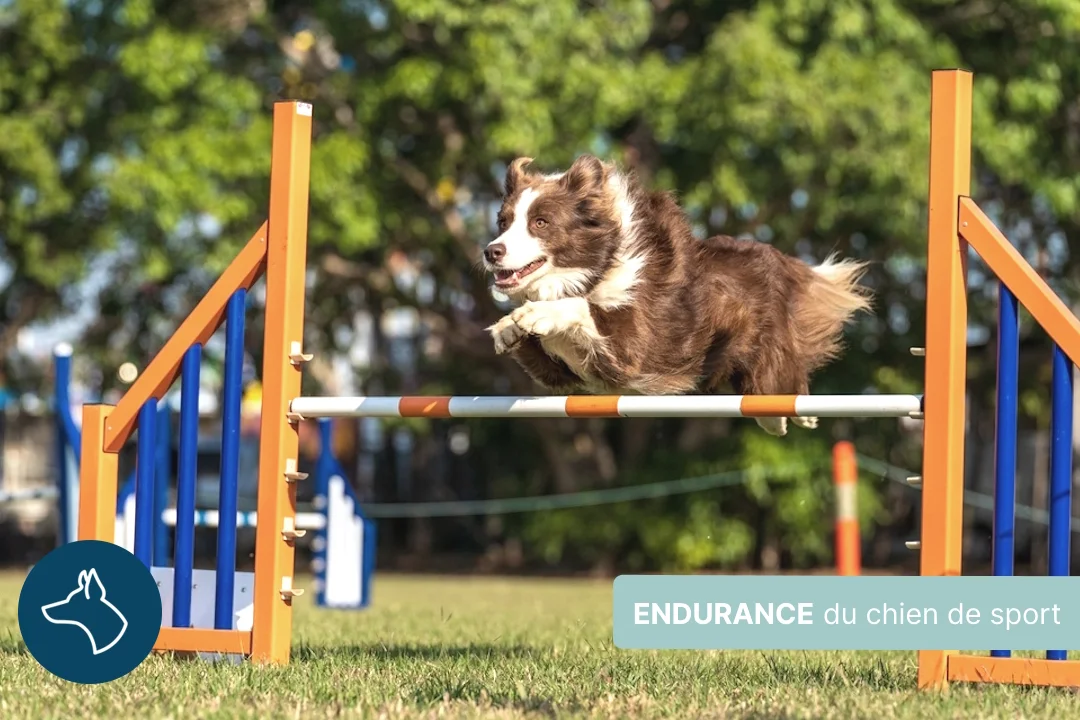
Improving your sporting dog's stamina: tips and strategies
03 March 2025
Read moreSporting dogs, whether in IPO competitions,agility, canicross, flyball or other physical activities, need extra stamina to perform at their best. That's why Lore & Science specialists explain how to improve your sporting dog's stamina. From nutrition to training and recovery, discover strategies and tips to help your dog excel on the field.
Endurance in sporting dogs: an indispensable asset
Endurance, in the context of dog sports, is of paramount importance. It is defined as a dog's intrinsic ability to sustain an intense level of physical activity over a prolonged period. This ability is the cornerstone of your four-legged friend's performance. Indeed, during competitions or demanding sporting activities, the ability to maintain a sustained effort is synonymous with success. This enables your dog to compete to its full potential, minimize the risk of fatigue-related injury and enjoy the sporting experience to the full. In short, stamina is the key to your sporting dog's performance and well-being.
The right diet to optimize endurance in sporting dogs
Quality nutrition is the foundation of your dog's athletic performance. The nutritional needs of sporting dogs are different from those of sedentary dogs. To optimize your pet's performance, it's vital to understand how to balance the key macronutrients: proteins, carbohydrates and fats.
Let's start with proteins. Protein is essential for building muscle strength. Opt for a diet rich in high-quality protein, as it provides the essential amino acids needed for muscle growth and tissue repair. Well-developed muscles are less likely to tire quickly, which is a key factor in keeping your dog's stamina at optimum levels.
Carbohydrates are the main source of energy for active dogs. Complex carbohydrates, such as those found in whole grains, are a wise choice. They release energy on a regular, sustained basis, which is particularly important for prolonged sporting activities.
Progressive training: the key to developing canine endurance
Together with proper nutrition and hydration, training is of course the key to optimal endurance for your sporting dog. We recommend a progressive and adapted training program to improve your dog's sporting performance, while respecting his health. This allows muscles, joints and the cardiovascular system to adapt gradually to the effort involved, while preventing boredom.
Running, swimming, jumping and other exercises can be incorporated to bring versatility to your sporting dog's training. This diversification of activities strengthens his overall physical condition, as each exercise solicits and develops specific muscular skills.
Finally,mental training is an often overlooked but crucial facet of endurance improvement. Thinking and obedience exercises strengthen your dog's concentration and mental stamina. These activities stimulate his intellect, which is essential for maintaining sustained performance over long periods. What's more, a mentally stimulated dog is better able to stay engaged and focused during training sessions, which is particularly important for demanding sporting activities.
Better recovery for better endurance in sporting dogs
Active recovery plays a vital role in preventing excessive fatigue and injury. After an intensive training session, it's imperative to plan a period of active recovery. This allows your dog to gradually return to a resting state, while helping to reduce the build-up of lactic acid and other metabolic waste products in the muscles, thus helping to prevent muscle fatigue and maintain high-level performance over the long term.
There are three main factors to take into account to promote a good recovery process: stretching, massage and sleep.
The importance of stretching lies in its ability to prevent muscle stiffness by improving the flexibility of the muscles that have been used during exercise. This increased flexibility promotes your dog's agility and mobility, keeping him supple and ready for new sporting adventures. Targeted massages can relax tense muscles, reduce muscle knots andimprove blood circulation. The quality of your dog's sleep is essential to his health and performance. A restful night's sleep is essential after intense exertion, as it is during sleep that the body carries outtissue repairs, replenishes energy reserves and consolidates mental learning. So it's imperative to create a calm, comfortable environment for your canine companion, enabling him to benefit from quality rest.
As you can see, endurance and its improvement are essential elements in your dog athlete's performance. You can help improve your canine companion's sporting performance by providing him with an appropriate diet, setting up a progressive training program and paying particular attention to his recovery and care. This will enable your canine companion to achieve excellence in his sporting activities.
Share your experience with us in the comments ↓
-
 Health topics
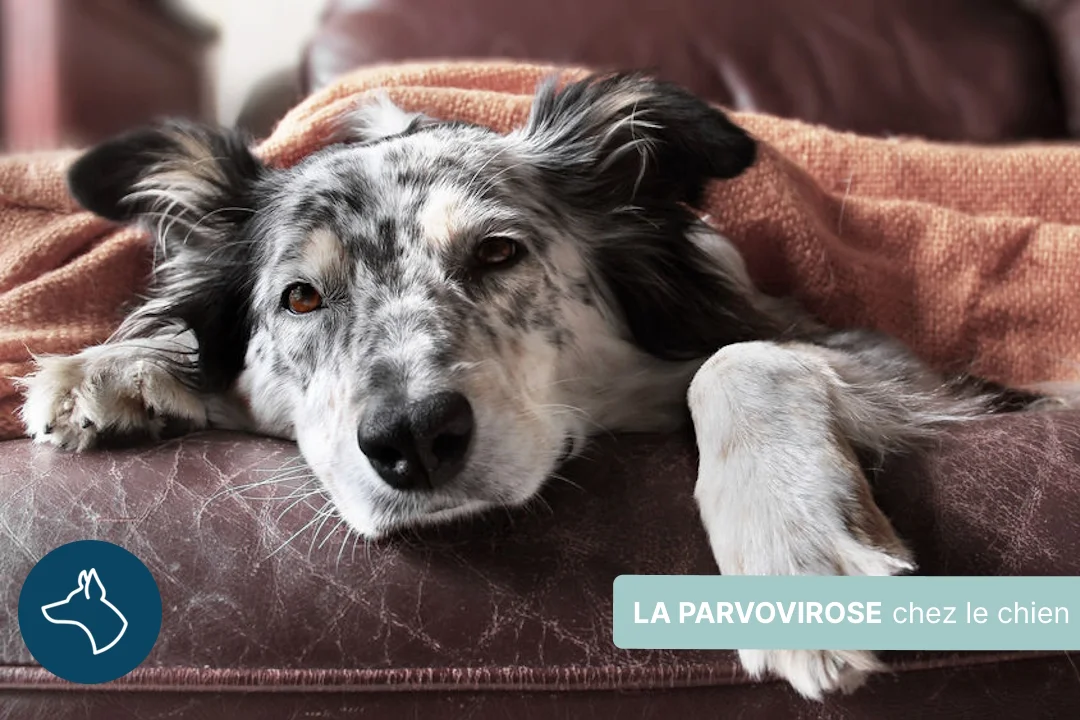
Parvovirus and gastroenteritis in dogs: symptoms, treatment and prevention
28 February 2025
Read moreDiseases affecting a dog's digestive system are dreaded and feared by owners. Parvovirus and gastroenteritis are two diseases that affect dogs' gastrointestinal systems, and can have serious consequences if not diagnosed and treated quickly. Lore & Science's specialists explain parvovirosis and gastroenteritis in detail: symptoms, treatment, preventive measures... You'll know everything you need to know to take the best possible care of your four-legged friend.
What are the symptoms of parvovirus and gastroenteritis in dogs?
Parvovirus symptoms
Canine parvovirus is a highly contagious viral disease that affects the gastrointestinal tract of dogs. The culprit behind this disease is the canine parvovirus, a pathogen that can survive for long periods in the environment and resist many disinfectants. Prevention is therefore essential.
The disease is generally characterized by a series of sudden and severe signs. One of the first signs is diarrhea. It is often abundant, liquid and may contain blood, which is particularly worrying. Repeated and sometimes violent vomiting may also occur. You need to be extremely vigilant to avoid the risk of malnutrition and dehydration, especially as the disease leads to a loss of appetite and weight, due to the dog's lack of interest in food. Finally, in response to the viral infection, the animal's body temperature rises, generating a fever that signals the immune system's response. All these symptoms lead to lethargy and apathy. He then appears exhausted and has difficulty moving around or engaging in normal activities.
It's important to note that the risk exists for dogs of all ages, although puppies and young individuals whose immune systems are not yet fully developed are particularly vulnerable. Parvovirus is a serious disease that requires immediate medical intervention to maximize the chances of recovery. All dog owners should be aware of the warning signs of parvovirosis, and act quickly if they suspect this potentially fatal disease.
Symptoms of gastroenteritis in dogs
Gastroenteritis, on the other hand, is a common ailment in dogs. Unlike parvovirus, which is caused by a virus, gastroenteritis can have many causes, including bacterial, viral or parasitic infections, food allergies, sudden changes in diet, or stress. Dogs suffering from gastroenteritis may present a variety of gastrointestinal symptoms, similar to those of parvovirus, such as :
- Diarrhea
- Vomiting
- Loss of appetite
- Lethargy
Added to these signals are possible abdominal discomfort, as well as flatulence or belching. Overall, the severity of symptoms can vary depending on the underlying cause of gastroenteritis.
How to treat canine parvovirus and gastroenteritis?
Treatment of parvovirus is mainly symptomatic, unlike that of gastroenteritis, which depends on the underlying cause. There are treatments common to both conditions. Your veterinarian will always be the best person to prescribe the appropriate treatment for your companion, depending on his or her profile and the diagnosis made.
Treatments for both parvovirosis and canine gastroenteritis generally include anti-vomiting and anti-nausea drugs. There are also medications to combat diarrhea. These symptomatic treatments relieve the animal and combat potential dehydration, which can have serious consequences.
How can I protect my dog from parvovirus and gastroenteritis?
How can gastroenteritis be prevented in dogs?
Preventing gastroenteritis in dogs is essential, and relies largely on rigorous food and environmental hygiene practices. It's imperative to ensure that your dog doesn't eat spoiled or potentially toxic food, as careless ingestion can trigger gastrointestinal disorders.
You should also avoid sudden changes in diet, as your companion's digestive system can be sensitive to sudden changes in diet. A gradual dietary transition over several days can reduce the risk of gastrointestinal upset associated with a change of food. In addition, it's vital to ensure your pet has constant access to fresh water, as adequate hydration is essential to maintain gastrointestinal health and prevent dehydration.
How can I protect my dog from parvovirosis?
Parvovirus prevention is mainly based on vaccination. Puppies are usually vaccinated against parvovirosis from an early age, and booster shots are given regularly throughout their lives.
In addition to vaccination, dog owners are responsible for creating a clean, hygienic environment for their pets. Clean living spaces, regular disinfection of areas frequented by the dog, and proper management of dog faeces all contribute to significantly reducing the risk of contamination by the virus.
Finally, another crucial aspect of prevention is to avoid your dog coming into contact with other dogs of unknown or unvaccinated status . This precaution minimizes opportunities for virus transmission between animals, and plays a key role in protecting the health of your faithful companion.
Parvovirus and gastroenteritis are two gastrointestinal diseases that can jeopardize our dogs' health. The key to protecting your dog's digestive health lies in prevention. Be sure to keep your dog's vaccinations up to date, especially for parvovirus. In addition, adopt rigorous hygiene practices and avoid potentially risky situations. Of course, if your dog shows symptoms of gastrointestinal problems, don't delay in consulting your vet for an accurate diagnosis and appropriate treatment.
Share your experience or questions with us in the comments ↓
-
 Health topics
Hip dysplasia in dogs - the complete guide
17 February 2025
Read moreOwners of large dogs know and fear it: hip dysplasia is one of the most common and worrying conditions affecting our four-legged friends. It can lead to pain and reduced mobility in our dogs. In this comprehensive article, Lore & Science tells you all about hip dysplasia: its causes, symptoms, prevention methods and treatment options.
Understanding hip dysplasia in dogs
What is hip dysplasia?
Hip dysplasia, also known as coxofemoral dysplasia, is an orthopedic condition that affects the hip joints of dogs. Essentially, it's an abnormal development of the hip, where the head of the femur (the thigh bone) doesn't fit properly into the acetabulum (the hip socket). This maladaptation creates excessive friction, leading to progressive deterioration of the articular cartilage, pain and inflammation.
Causes of hip dysplasia
Several factors contribute to the development of hip dysplasia in dogs. These includeheredity, rapid bone growth, excessive body weight andinadequate diet. Large-breed dogs, such as the German Shepherd, Labrador Retriever and Golden Retriever, are particularly prone to this condition. Heredity plays a key role, as hip dysplasia tends to be passed on from generation to generation.
Symptoms of canine hip dysplasia
Recognizing the signs of hip dysplasia is essential for early intervention. Symptoms vary in severity and can appear as early as five months of age in puppies or later in older dogs. Here are some common signs to look out for:
- Lameness, with a dog that may limp or show stiffness when standing up or walking.
- Reduced and unattractive physical activity
- An unusual posture, with hind legs close together and back arched.
- Difficulty getting up after sleeping or resting.
- Reduced hip mobility
Note that these symptoms may be more pronounced after exercise or in cold weather. Once you've observed any of these signs in your dog, consult your vet immediately for an accurate, personalized diagnosis.
How is hip dysplasia diagnosed in dogs?
Diagnosis of hip dysplasia is usually based on a combination of methods, including physical examination, X-rays and the dog's medical history. X-rays are often the method preferred by veterinarians, as they enable the structure of the hip to be clearly visualized and the degree of dysplasia to be determined. Once diagnosed, hip dysplasia is classified into several stages, ranging from mild to severe, depending on the severity of the condition. This classification will help the veterinarian determine the best treatment plan.
How is hip dysplasia treated?
The management of hip dysplasia in dogs can vary according to the severity of the condition, the dog's age and individual needs. Fortunately, there are treatments available to alleviate the symptoms and improve the general well-being of your faithful companion.
Adapting to everyday life
On a daily basis,moderate, controlled exercise is essential to maintain the musculature surrounding the hip joint. Low levels of physical activity can lead to muscle atrophy, aggravating the condition. However, avoid excessive physical activity or sudden jumps, as these can aggravate the pain.
Drug and surgical treatments for dysplasia
Steroidal anti-inflammatory drugs (NSAIDs) are commonly used to provide temporary relief. However, their long-term use must be closely monitored to avoid side effects.
For dogs with severe hip dysplasia,OPT is a surgical option to improve hip joint stability. This procedure modifies the structure of the pelvic bone to reduce pain and enable better joint function. OPT is, admittedly, a major surgical procedure. However, it can significantly improve a dog's quality of life.
Finally, in cases where other treatment options are not effective, hip replacement may be considered. This surgical procedure involves replacing the defective hip joint with an artificial prosthesis. Although costly and complex, this procedure can offer significantly improved mobility for dogs suffering from more severe hip dysplasia.
The choice of treatment will of course depend on the stage of hip dysplasia, the dog's age and general physical condition. It is therefore essential to work closely with your veterinarian to develop a suitable treatment plan.
Hip dysplasia is a common orthopedic condition in dogs, but it can be successfully managed with early diagnosis, appropriate treatment and preventive measures. Vigilance on the part of owners and close collaboration with veterinarians are essential if we are to offer our dogs an active and comfortable life, free from pain and reduced mobility. Don't hesitate to consult your vet if you have any concerns about your dog's health, as early action can make all the difference in managing this delicate condition.
Share your experience or questions with us in the comments ↓
On sale
100% natural guaranteed solutions
















Paiement
Sécurisé

100% végétal
sans ogm

Fabriqué
en france

Livraison
rapide

Sans agents
chimiques
Newsletter Lore&Science
Subscribe and
Subscribe and
get 10% off