

- Our products
-
 My account
-
 Cart
Cart





Connexion
Create an account
Create an account
Connexion

Lore&Science's blog
Discover our range of health supplements specially formulated to support the well-being of dogs, cats, and horses, helping maintain their vitality, mobility, and overall balance every day
-
 Health topics
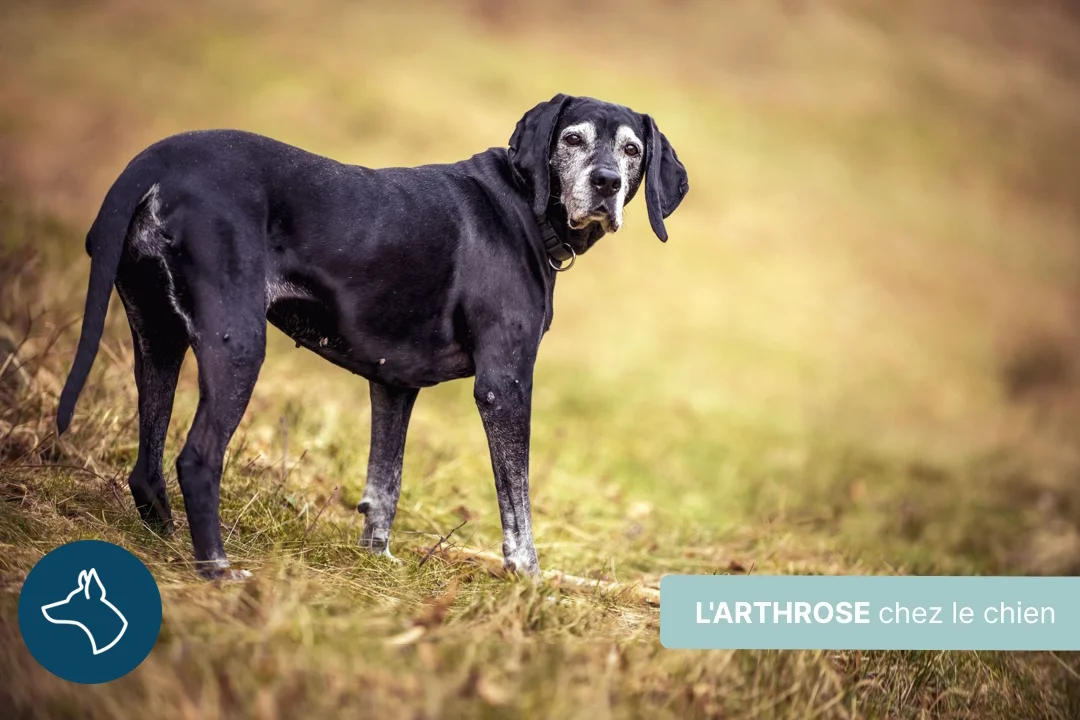
How to treat osteoarthritis in dogs
10 February 2025
Read moreOsteoarthritis is a very common pathology among our friends the dogs. It often affects older dogs but also puppies.
In order to relieve the dog's discomfort, owners most often opt for medicated treatments prescribed by a veterinarian. However, theuse of natural treatments such as phytotherapy can become a real alternative.
What is osteoarthritis in dogs?
Osteoarthritis affects about 25% of dogs. Just as in humans, osteoarthritis can become very disabling with age. A good management and an early detection allows to delay the harmful effects of this disease.
Osteoarthritis is characterized by a progressive and irreversible degeneration of the cartilage of one or more joints. This degeneration affects in particular the hips, elbows and other bony parts of the animal.
This results in locomotor disorders characterized by reduced joint mobility, inflammation and lameness.
It is often difficult to detect because it develops gradually and the dog adapts to the pain.
There are two categories of osteoarthritis:
- Primary or primitive osteoarthritis occurs with aging. It causes the permanent degradation of cartilage over the years and a decrease in the regeneration capacity of worn cartilage.
- Secondary osteoarthritis can occur in puppies as a result of abnormal force on the joint. This can be caused by excessive sports activity, for example, but also by malformations such as elbow or hip dysplasia.
The causes of osteoarthritis in dogs
Before talking about the possible causes of this disease, we can briefly mention the subject of symptoms. It is important to know that from one dog to another, the signs of osteoarthritis can vary considerably.
It can be detected on a hip x-ray with no other visible signs. But some dogs can also live with this condition for many years without any apparent symptoms.
Among the clinical signs that are most often found in dogs:
- Refuses to go for walks;
- Loss of appetite;
- Often tired and does not want to play anymore;
- Shows signs of pain when touched.
1 Aging of the dog
One of the primary causes of osteoarthritis in dogs is natural aging. This is the primary type of osteoarthritis affecting older dogs. It is due to theerosion of the cartilage generally affecting several joints at the same time.
2 Genetic abnormalities
Hereditary abnormalities such as hip or elbow dysplasia most often affect large dogs such as German Shepherds, Hovawarts and Bernese Mountain Dogs.
Breeders are working on these parameters in order to fight against their expansion.
3 Eating disorders
Throughout its growth, the puppy's owner must take care to monitor its diet. It must be adapted according to his age, weight andexercise.
If you are obese or overweight, this can accelerate the wear and tear on your joints and increase the risk of early osteoarthritis as a result of overloading the system.
4 Significant physical activity
Long-distance running, violent games and other stimuli, intense and repetitive physical activities promote the development of osteoarthritis in dogs.
This is why it is necessary to be vigilant as to the efforts that one asks to the animal. The evolution of the different activities must be progressive to protect its health.
What can be done to treat a dog with osteoarthritis?
1 Adopt food supplements
Certain vitamins and omega-3s are an alternative to conventional medications. Chondroprotectors, substances that protect the dog's cartilage, also have beneficial effects on mobility. Glucosamine and chondroitin, for example, can be found in certain supplements.
2 Opt for hydrotherapy
For a dog that has difficulty getting up and walking,hydrotherapy is a great way to relieve osteoarthritis and improve his overall physical condition.
For example, swimming on a treadmill in a pool for ease of movement or swimming in the sea. Indeed, this way, the weight on the joints is limited and swimming is also beneficial in case of overweight.
3 Use drug treatments
Medical treatments prescribed by the veterinarian can improve the animal's quality of life by relieving the pain of rheumatism. The treatments are very often based on analgesics and anti-inflammatories.
In the case of secondary osteoarthritis, surgery can also be a solution. It will correct the abnormalities to avoid any risk of locomotor sequelae.
4 Exercise in moderation
In order to delay the clinical symptoms of osteoarthritis in dogs, it is advisable to exercise them, but in moderation.
Contrary to what you might think, a dog suffering from osteoarthritis can exercise. It is even beneficial for him to delay the development of the disease.
The objective is to proceed progressively by proposing, for example, several short walks during the day rather than one long one. This will help to fight against ankylosis of the joints.
As soon as the stiffness begins to subside, activities can be increased in intensity. However, it is important to cool the dog down afterwards, especially with a quiet walk.
Activities such as throwing a ball, riding a bike and other violent games should be avoided.
share your experience or questions with us in the comments ↓
-
 Health topics
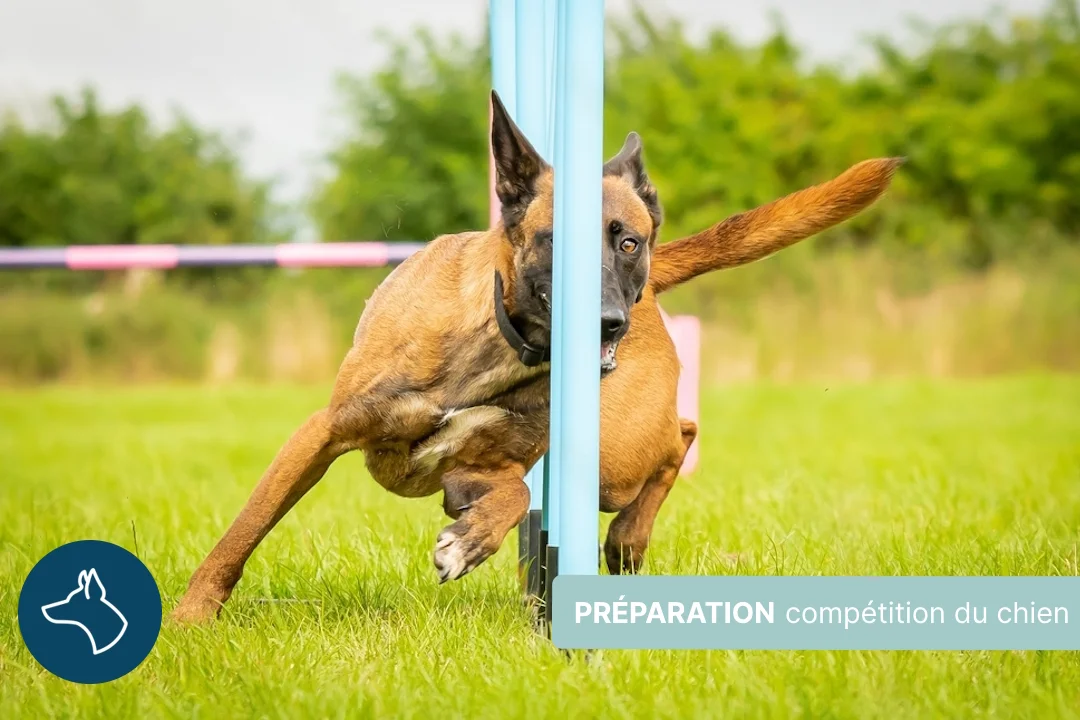
How do you prepare your dog for a sporting event?
10 February 2025
Read moreYou've decided to take the plunge into the world of dog sports competitions. This project requires both dedication and meticulous preparation. Whether you're an experienced dog owner or new to the world of dog sports, the key to success lies in proper preparation. In this article, Lore & Science reveals the essential steps to prepare your dog for a sporting event
Choosing the best dog sport for your dog
The first crucial step in preparing your dog for a sporting competition is to take the time to carefully select the sport that best matches his natural aptitudes. Skills and predispositions vary considerably from breed to breed, and it's essential to match these innate talents with the appropriate sporting discipline.
During this selection phase, you need to make a careful assessment of your dog's physical and mental characteristics . Some breeds are renowned for their speed and agility, making them predestined for sports such asagility or racing. Other breeds, endowed with great intelligence and excellent obedience skills, excel in precision sports such as competitiveobedience orrhythmic obedience. However, don't limit your consideration to racial characteristics alone. Also take into account your dog's personality and individual preferences.
Adapting your dog's nutrition for sporting events
When preparing your dog for a sporting event, nutrition is of paramount importance. It's advisable to provide your canine companion with a high-quality food specially designed for sporting dogs. These foods are formulated to provide a balanced range of essential nutrients, ensuring that your dog has the energy and vitality he needs to perform.
Portion control is also a crucial part of your dog's nutritional preparation. It's essential to keep a close eye on the quantities you feed your dog. This helps avoid two common pitfalls: overweight, which can impair sporting performance, and undernourishment, which can lead to a lack of energy.
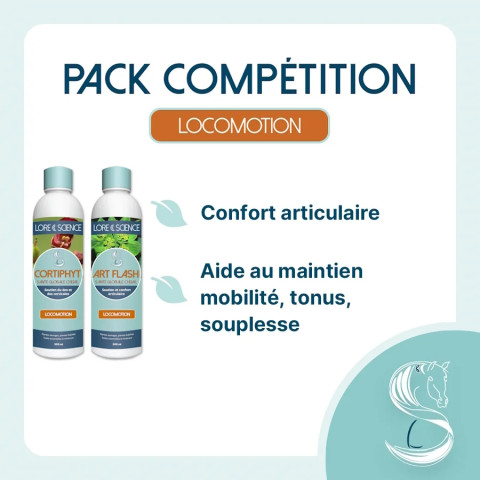
Just before an event, you can take a course of Pack Pre Compétition, which combines 2 100% natural supplements to improve mobility and strengthen joints and tendons. This combination can be particularly beneficial in preparation for sporting competitions such as ring or agility.
Optimizing the physical preparation of your sporting dog
Keeping your canine companion in top physical condition is obviously a crucial step in preparing him effectively for a demanding sporting competition. We recommend that, with the help of a specialized trainer or your veterinarian, you draw up a training program specially tailored to the particular requirements of your chosen sport. Whether it's racing, jumping, agility exercises or any other specific activity, each element needs to be strategically integrated to develop your dog's skills and fitness.
Combine this personalized training program with regular veterinary follow-up. Your veterinarian will be able to check that your sporting dog is in good health and fit to compete. What's more, your veterinarian can give you sound advice on injury prevention and help you draw up a preparation plan that ensures your dog's safety and well-being.
Sporting dog recovery for better performance
Post-exercise recovery is crucial to maintaining the sporting performance of our canine companions throughout the year. Sporting dogs, whether in agility, canicross, ring or any other dog sport, are subject to considerable physical demands. Effective recovery is essential to avoid fatigue and injury, and to maintain their general well-being.
So, to succeed in the demanding world of canine sporting competitions, meticulous preparation is essential. Choice of sport, nutrition, physical preparation, recovery... These essential steps will enable you to prepare your dog for a sporting competition in a complete and thoughtful way. Your dedication and commitment, combined with proper preparation, will maximize your dog's chances of success on the competition field.
Share your experience or questions with us in the comments ↓
-
 Health topics
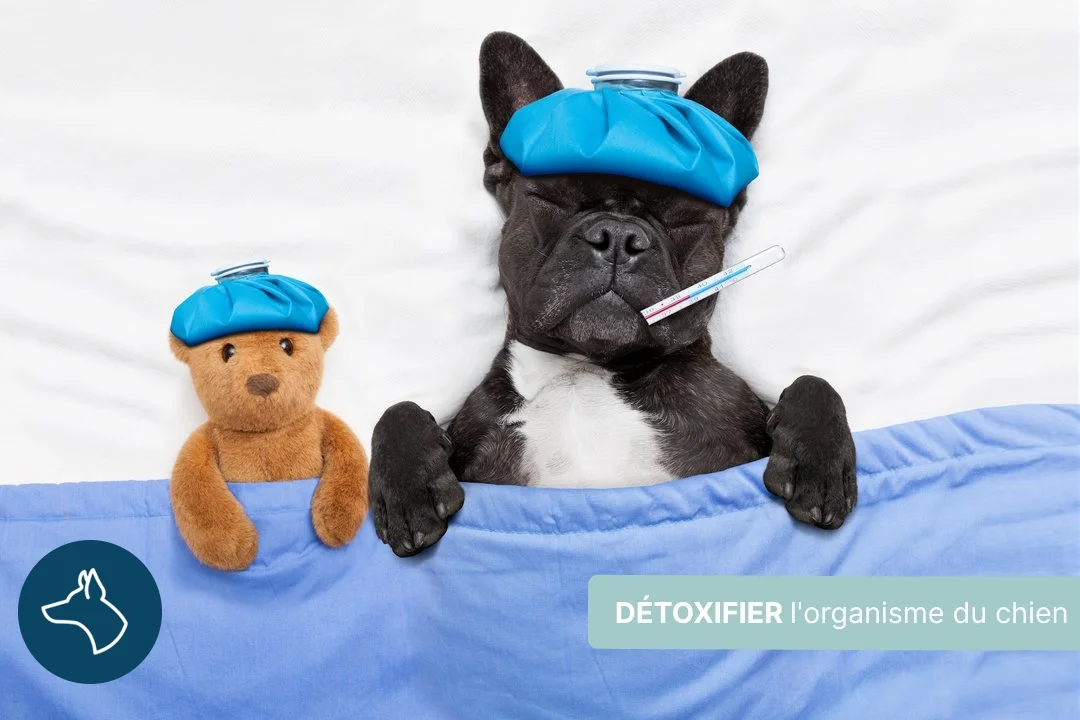
How to detoxify your dog's body?
03 February 2025
Read moreEvery day, toxins build up in your dog's body. The more waste in his body, the less energy your dog will have. Currently, we are seeing more complicated disease symptoms in dogs and this is mainly related to environmental changes.
A regular detox and drainage treatment to eliminate harmful substances from the body will keep your dog in great shape!
WASTE = TOXIC SUBSTANCES
The need for detoxification
Your dog absorbs toxins through the respiratory tract, mouth or skin. Toxins have a preference for fatty tissue. Body tissues that contain a lot of fat and where toxins can easily accumulate are :
The brain
The brain contains 60% fat. If toxins nestle in the brain, they can trigger epilepsy, among other things.Liver
Toxins impair liver function. As a result, your dog will have less energy and become tired more quickly.Joints
Hyaluronic acid is the main component of joint fluid and acts as a lubricant. Toxic substances like to accumulate in this fat-rich tissue, which can lead to joint problems.Detoxification is an active biochemical process
The most important excretions from the dog's body are sweat and urine. Both of these have a water base and are therefore not "fat soluble". It is like putting a drop of olive oil in a glass of water: the oil floats on the water and does not dissolve. To eliminate a toxin in the body, it must first be converted into a water-soluble molecule. This task is performed by the liver. This organ filters, neutralizes and transforms toxins. Then, these will :
➤ to the liver and gallbladder, to be excreted in bile and blood
➤ to the kidneys and bladder, to be excreted in urine
➤ to the lymphatic system and skin, to be excreted in sweat through perspiration
➤ to the large intestines, to be excreted through stools
➤ to the lungs, to be exhaled through the air and secreted by the mucus layer (by coughing through mucus or sneezing)This detoxification process requires a lot of energy from your dog. During a cleanse, your dog may be lazier for 2 or 3 days.
Plants can help your dog!
Milk thistle
has liver-protective and detoxifying properties. It also contains "silymarin", a substance that supports liver cell function so they can more easily neutralize toxins. This enhances the ability to render free radicals harmless and stimulates liver regeneration.Artichoke and dandelion
stimulate intestinal, liver and kidney function.Detox
By stimulating liver and kidney function, detox - a superficial cleansing - is a rapid and immediate elimination of toxins. A detox cure is indicated after medical procedures, prolonged medical treatment, deworming or intoxication.Did you know that?
A healthy liver can eliminate 100% of the waste and toxins circulating in the body?
Drainage
Drainage is a deep cleansing that stimulates the functioning of all excretory organs such as the liver, kidneys, spleen, intestines, lungs and lymph nodes. You could describe it as deep cleansing. The drainage process is a physiological process that only has a decisive long-term effect. That's why such a cure usually lasts 21 to 30 days.Our advice
Always combine a synthetic product with a detoxification program to minimize the burden on body functions.
For example, after a chemical deworming, a vaccine, or a drug treatment.
Give your dog a detoxification and drainage treatment at least twice a year to keep him in good condition. For example, as a preventive measure to facilitate moulting just before the period.
Moulting requires more energy from your dog than you think, and by regularly purifying his body, you can help your dog make the transition easier.
Have you tried a detox for your dog? Share your experience with us in the comments ↓
-
 Health topics
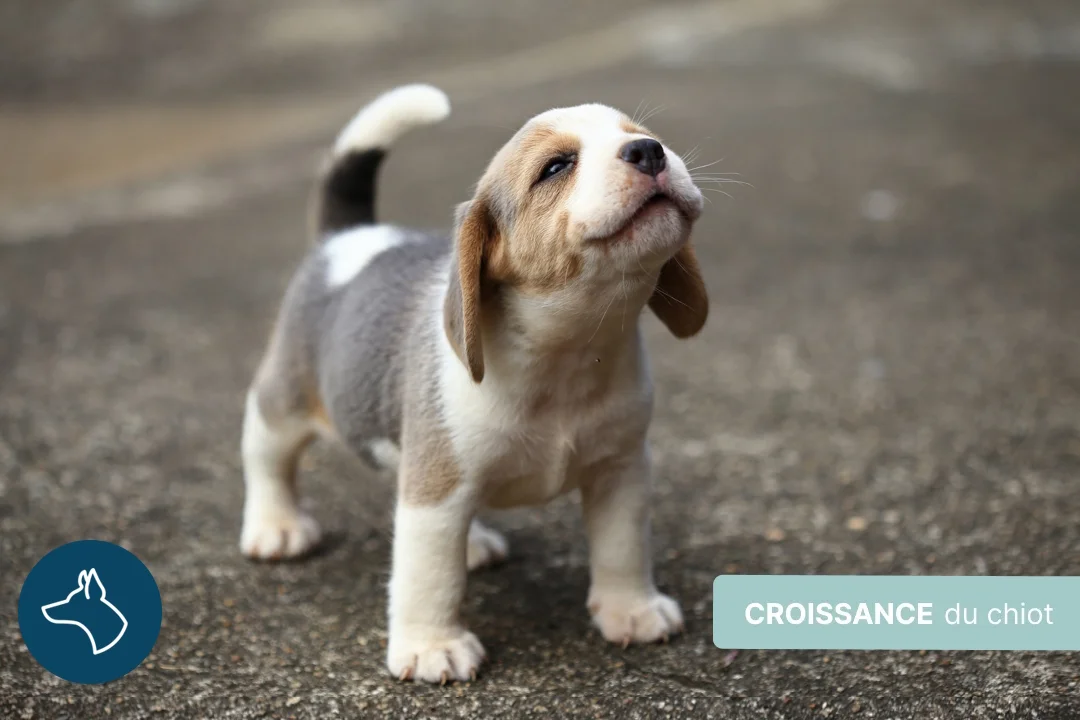
Puppy growth: needs, feeding, activity
27 January 2025
Read moreIn addition to the breed of your puppy, its origin, its education system, everything that will follow its arrival in your home will be the key to its future. It is sometimes a real headache, for that our veterinarian Carmen Coopmans gives you some key principles.
Key points
Regular physical activity
Be aware that a growing dog cannot yet tolerate sustained exertion. So opt for short, regular walks rather than one long one (the same goes for older dogs). Did you know that swimming is also excellent for dogs?
A good mind
Apart from the dog's innate mind, i.e. his personality acquired at birth, the puppy will continue to forge his "character" until he is 6 months old. It is thus necessary to take care that he can develop "mentally" in good conditions by bringing him;
Any form of stress in a dog will have an impact on his mind as well as on his body. A stressed dog will accumulate toxins that will alter the proper functioning of his digestive and immune systems, and will also affect his growth.
Did you know that?
There is a link between an unbalanced intestinal flora and allergy and arthritis problems! For a healthy puppy, it is therefore essential to support his intestinal flora and his growth to ensure the best future!
Joint problems
Our puppy growth pack effectively stimulates your puppy's metabolism during growth and provides all the nutrients needed during this crucial period. Improves bone quality, strengthens cartilage and ligaments and supports muscles.
Share your experience with us in the comments ↓
-
 Health topics
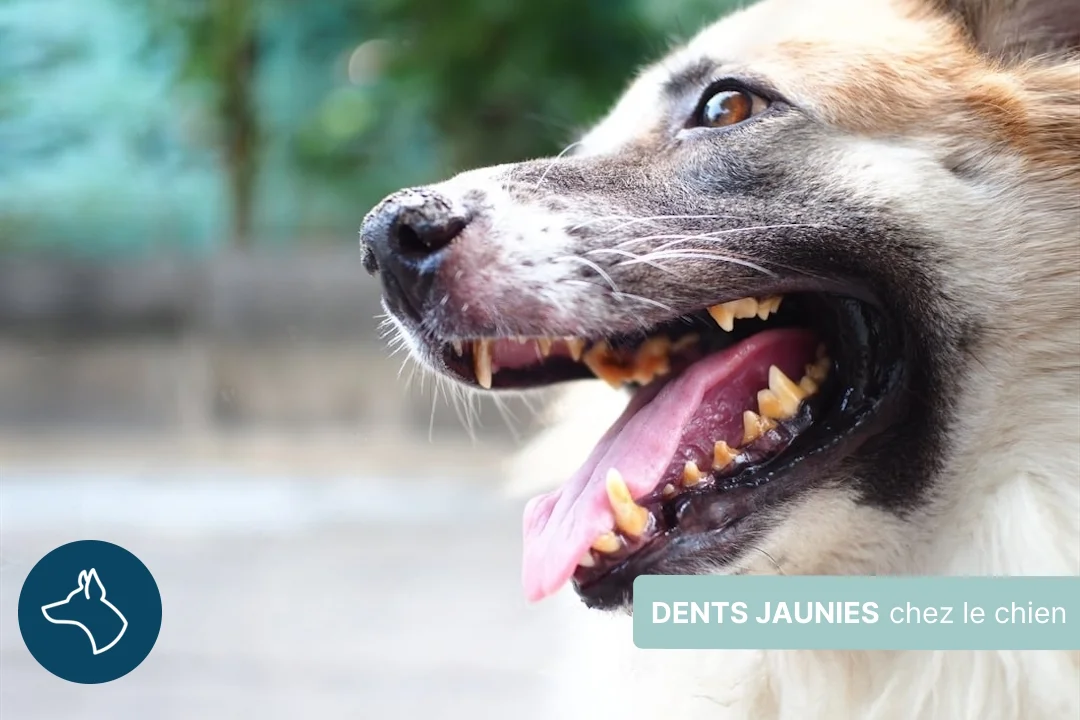
Dogs with yellow teeth, improving dental hygiene
07 January 2025
Read moreYellowing teeth in dogs are a common problem that worries many owners concerned about the well-being of their four-legged companions. Inadequate dental hygiene can not only cause aesthetic inconvenience, but can also have serious repercussions on your pet's health. In this article, Lore & Science tells you all about the causes of yellow teeth in dogs, the risks associated with poor oral hygiene, and above all, the solutions to remedy the situation.
Why are my dog's teeth turning yellow?
One of the main reasons for fang discoloration is thebuild-up of plaque and tartar. Plaque, made up of bacteria, food debris and saliva, forms naturally after every meal. If not removed, it mineralizes into tartar, a hard substance that adheres firmly to the enamel and causes visible yellowing of the teeth.
Diet also plays a crucial role in your dog's oral health. Soft, sticky foods can encourage plaque build-up, while crunchy kibbles or chewy bones have an abrasive action that helps to remove plaque mechanically. It should be noted that the natural aging of tooth enamel, accentuated by inadequate dental hygiene, makes older dogs particularly vulnerable to tartar formation. Finally, factors such as genetic predisposition, particularly in certain small breeds, and lack of regular dental care, can also contribute to the appearance of yellowed teeth.
Solutions for preventing and treating yellow teeth in dogs
However, even with scrupulous hygiene, it's sometimes inevitable that tartar will develop, especially in older dogs. In such cases, regular scaling at the vet's is essential to effectively remove tartar and prevent periodontal disease.
The consequences of poor oral hygiene
Neglectingyour dog's oral hygienecan have far more serious consequences than just stained teeth. The first sign of a dental problem is often bad breath, or halitosis, a symptom of theaccumulation of harmful bacteria in the mouth. These micro-organisms produce sulfur compounds responsible for the unpleasant odor.
If plaque and tartar continue to build up, they can lead to more serious conditions, such as gingivitis, an inflammation of the gums that can develop into periodontitis, compromising the supporting tissues of the teeth. These infections can be extremely painful, affecting not only your dog's ability to feed and play, but also his general behavior. Worse still, oral bacteria can spread throughout the body via the bloodstream, threatening vital organs such as the heart, kidneys and liver, and even leading to septicemia.
Conclusion
Maintaining good dental hygiene in your dog is essential not only for the appearance of his fangs, but above all for his overall health. Yellowing teeth, often underestimated, are a harbinger of more serious problems. Plaque build-up, invisible at first, can quickly develop into tartar, leading to painful and potentially dangerous complications for your companion. Regular care of your puppy's teeth from an early age is the ideal way to preserve their whiteness and, above all, good oral hygiene.
Keep in mind that even with the best home care, a professional dental cleaning is sometimes necessary to remove stubborn tartar that has accumulated on your dog's teeth. These cleanings are performed by a veterinarian, under anesthesia, to thoroughly clean the teeth and gums. Similarly, if you notice any worrying signs, such as swollen or bleeding gums, broken or loose teeth, or loss of appetite, consult your vet immediately.
Share your experience or questions with us in the comments ↓
-
 Health topics
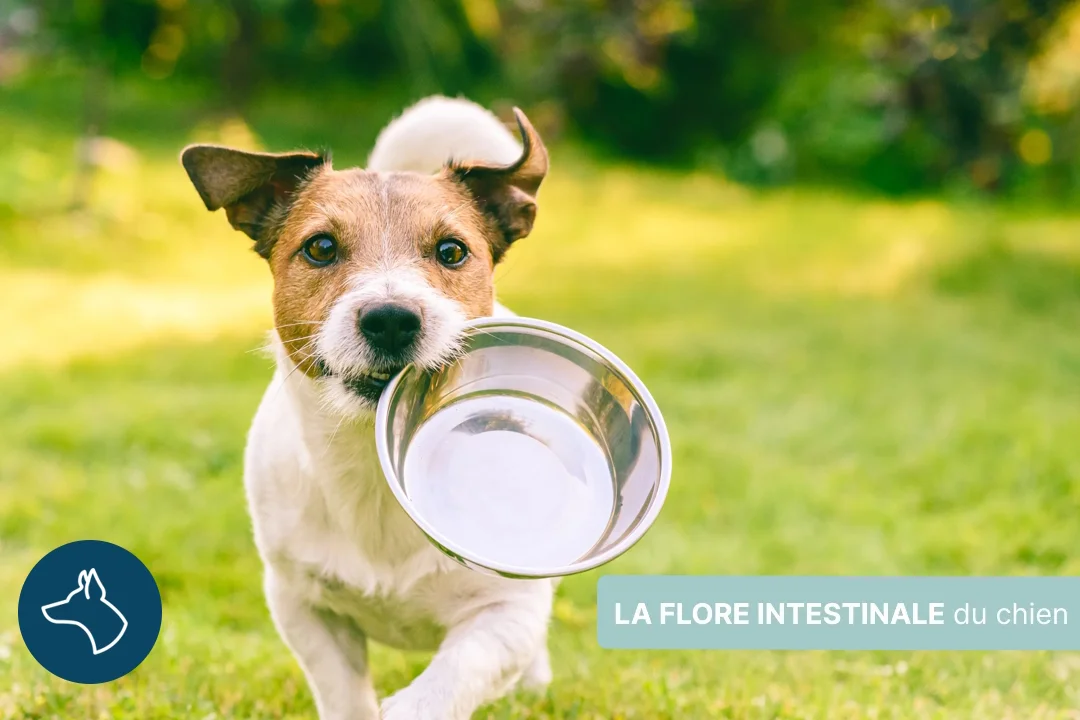
Intestinal flora of the dog, what is its purpose, why support it?
06 January 2025
Read moreThe intestinal flora is an important barrier against the penetration of pathogens. But what exactly is this intestinal flora and how can it protect our dog?
What is the intestinal flora?
The digestive system is home to one of the richest microbial populations on our planet, the intestinal flora. Compared to other mammals, our dogs have short intestines: about seven times shorter than humans.
In order to be able to absorb enough nutrients on this short journey, nature has provided our dogs with an extensive intestinal flora. This flora consists of 99 percent bacteria and the rest fungi and viruses.
The intestinal flora as a defense shield
This flora is an integral part of the intestinal barrier and protects the dog against the penetration of pathogens.
On the one hand, intestinal flora compete for oxygen, nutrients and an attachment site on the intestinal wall
On the other hand, intestinal flora create an unfavorable environment for intruders.Did you know that?
There is a link between unbalanced gut flora and allergies and osteoarthritis!
The intestinal flora of puppies
Puppies, like humans, do not yet have intestinal flora until they are born. They absorb the first bacteria as they pass through the birth canal and from their environment. Then, the intestinal flora develops from the bacteria present in the mother's milk.
As long as a puppy drinks milk, his stomach and intestines are accessible to these bacteria. As soon as puppies eat solid food, the absorption of these good bacteria from milk stops.
Early contact of puppies with good bacteria determines the development of a good immune response. The microbes stimulate the immune cells just below the intestinal wall.
It has been scientifically proven that the administration of probiotics strengthens the resistance of puppies.
Maintain the intestinal flora
Your dog's intestinal flora is very fragile. An imbalance can quickly set in, for example when your dog has eaten something he shouldn't have.
This can lead to intestinal cramps, flatulence, loose stools, weight loss and bad breath.The causes of such an imbalance are :
➤ A n incomplete diet
➤ S ynthetic substances that inhibit the growth of good bacteria
➤ A ntibiotics. These do not distinguish between "good" and "bad" bacteria. Whenever antibiotics are given, part of the gut flora dies. This is why dogs often have diarrhea at the end of an antibiotic treatment.
➤ S tress alters gut flora and increases gut activity
The importance of intestinal flora
Between your dog's intestinal cells and the intestinal flora, there is a symbiosis. This means that your dog and the intestinal flora need each other to survive. Good gut microbes are essential to our dog's health:
➤ Crucial for the development of a healthy immune system
➤ Form a barrier against pathogens
➤ Play an important role in digestion and the synthesis of certain proteins
➤ vitamins (vitamins K, B12, biotin and folate).Did you know that?
Dogs and wolves are still more than 99% genetically related? And that in the wild, wolves first eat the abdominal contents of their prey to maintain their intestinal flora and provide the necessary nutrients.
This is how wolves get natural pre- and probiotics.
Advice
There are several things you can do yourself to keep your dog's gut flora as healthy as possible:
➤ Vary different types of meat in his diet to best enrich the intestinal flora
➤ Combine medical treatment always with pre- and probiotic to stimulate his intestinal flora.
➤ Avoid stress in your dog.Lore & Science has therefore formulated the Perfect FlorePerfect Flore, a complete food supplement to support the intestinal flora of your puppy and/or dog.
Share your experience with us in the comments ↓
-
 Health topics
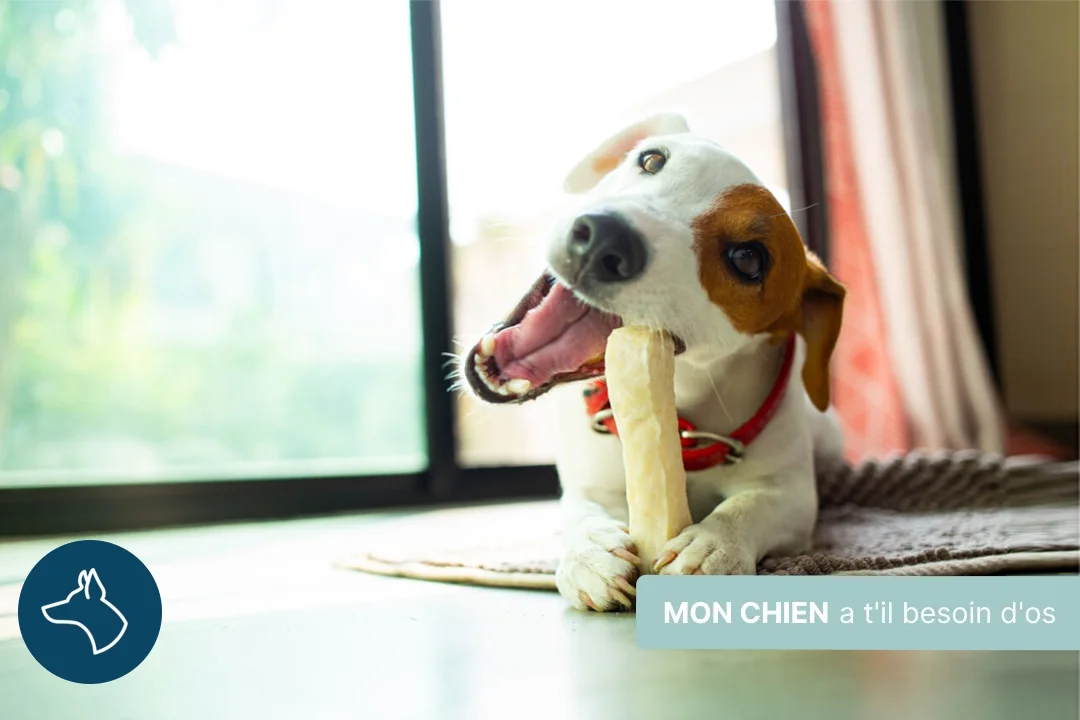
Does my dog need bones?
01 January 2025
Read moreDoes my dog need bones? Can we give him bones regularly? Is it good for his health?
We explain the importance of bones to cover the dog's mineral needs for his health.
Many dog owners ask themselves these questions:
Does my dog need bones and why?
In order to understand the dietary needs of dogs, we need to get as close as possible to what canines eat in the wild. And even if we think that our dogs are far from the origins of wolves, foxes and other wild dogs. Their ancestral genetics are still present and it is this that makes their instincts speak.
Wolves and canids in the wild have their own way of feeding, as wolves have been extensively studied.
Wolves and wild dogs eat their prey in the following order:
1 the intestine in order to reseed their intestinal flora, which will allow them to fully assimilate the rest of their meal. This will allow them to properly metabolize vitamins and minerals and also to feed on predigested plants.
2 the liver, heart and lungs to take advantage of the vitamins that are widely present there.
3 They will cover their protein needs by eating red meat, especially the thighs, as this is where the highest levels of good protein (ten amino acid chains) are found.
4 And finally, they will quietly gnaw away at cartilage and bone to supplement themselves with minerals.
Do dog foods meet their needs as well as nature does?
Well, no and far from it, and without taking away the good intentions of the dog food manufacturers or the hardcore cooks. Let's face it: not everything is in kibble, nor is it in household food or Barf food for dogs
Despite our best efforts, we cannot meet the daily nutritional needs of our dogs.
If we go back to the feeding chronology of the canid in the wild, we can see that the first stage is already not well filled.
1 - The reseeding of the intestinal flora before each meal, the strategic operation that will make the dog assimilate its food bowl, metabolize vitamins and minerals, is very often absent from the formulations of dog food. (see article on the intestinal flora of dogs...)
Let's leave the following steps aside and move on to the subject of this article: minerals.
Minerals (also known as trace elements), which are much needed by dogs, are not found in sufficient quantities in the diet.What are the dog's mineral requirements?
Let's be very clear, the dog's need for minerals is enormous, it is much more important than the human need (not to be neglected).
For example, concerning calcium, numerous scientific studies have shown that a dog weighing 30 kilos generally needs about 3 times more calcium than an adult man weighing 80 kilos.
I supplement my dog with calcium, is that enough?
Still not because each mineral needs the others to be used correctly by the dog's body.
How do I know if my dog is mineral deficient?
The question no longer arises, we now know that if a dog is not supplemented with minerals, it will inevitably be deficient and its health will therefore be reduced.
Mineral deficiencies, any repercussions?
Our health advice
It is essential today to understand that for his health, we must supplement our dog in minerals, because all his needs are not found in the food. We have developed a natural food supplement, Total Minerals Dog, specifically rich in 75 natural minerals, to make up for mineral deficiencies in dogs.
Give your opinion by reacting in the comments ↓
On sale
100% natural guaranteed solutions















Paiement
Sécurisé

100% végétal
sans ogm

Fabriqué
en france

Livraison
rapide

Sans agents
chimiques
Newsletter Lore&Science
Subscribe and
Subscribe and
get 10% off