

- Our products
-
 My account
-
 Cart
Cart





Connexion
Create an account
Create an account
Connexion

Lore&Science's blog
Discover our range of health supplements specially formulated to support the well-being of dogs, cats, and horses, helping maintain their vitality, mobility, and overall balance every day
-
 Horse advice
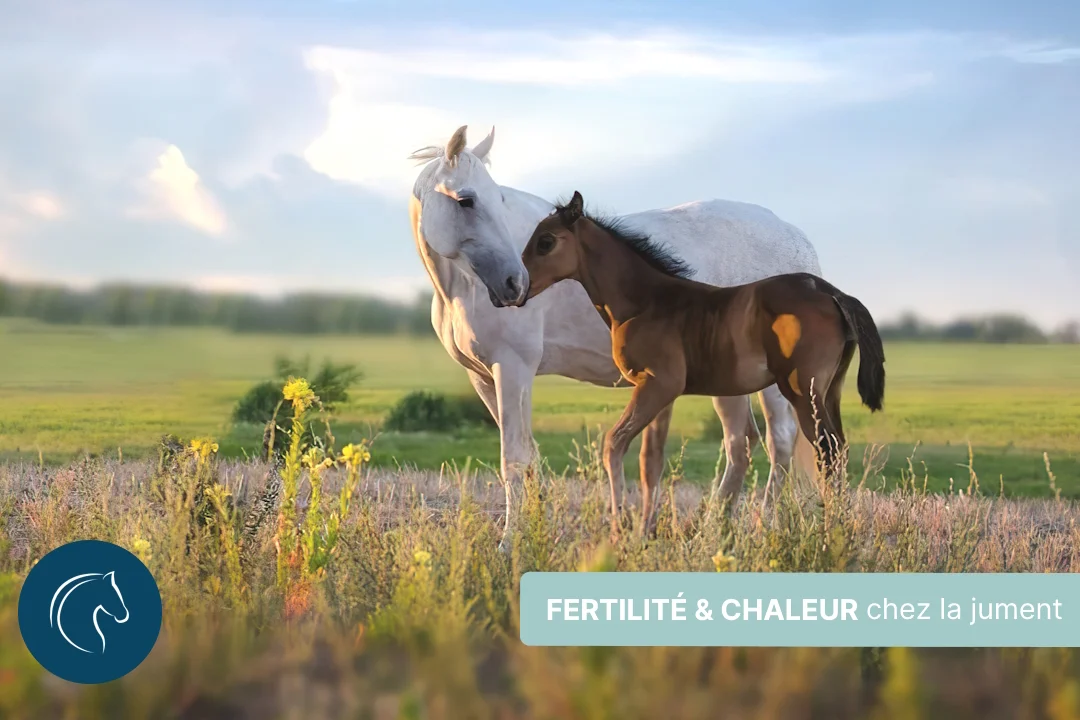
Fertility and heat in mares: understanding and support
05 May 2025
Read moreThe mare's reproductive cycle is complex, characterized by periods of heat (estrus) and non-heat (diestrus). Understanding the mare's reproductive cycle and knowing how to accompany her heat can play a crucial role in her well-being. Lore & Science tells you all you need to know about mares' fertility and gives you its best advice on how to accompany your equine through this cycle.
Understanding the equine reproductive cycle
A mare's reproductive cycle is a complex process that can be divided into several distinct phases. The most important and best-known phase is estrus, commonly referred to as "heat". It is during this period that the mare is most receptive to mating and displays specific behavioral and physiological signs to attract a stallion.
It's important to note that seasonality plays a key role in mares' reproductive cycles. In general, mares are considered to be seasonally polyoestrous, meaning that they exhibit regular reproductive cycles during certain seasons of the year. In many mares, these cycles are most pronounced in spring and summer, when days are longer and daylight is more abundant. During the autumn and winter months, most mares go through a period of anestrus, when they show no obvious heat.
The average length of a complete reproductive cycle in a mare is around 21 to 23 days. However, some mares may have shorter or longer cycles, which can sometimes make it difficult to accurately determine their heat period.
All in all, it's essential to keep a close eye on your mare's behaviour and physiological signs to determine the exact moment of estrus. This understanding is crucial not only for planning a mating or artificial insemination, for example, but also for providing her with the best possible support based on these symptoms.
What are the signs of heat in a mare?
In fact, there are several physiological and behavioral signs that should alert you to your animal's heat and fertility periods. In nature, these changes are essential to attracting a stallion and promoting successful reproduction. One of the first observations is often the mare's restlessness. She may seem more energetic and less calm than usual. She may trot or gallop more frequently in her paddock and actively seek out the presence of stallions. When close to stallions, some may even "flirt" by rubbing their rump or nibbling gently.
In addition, a mare in heat will urinate more frequently than usual. This frequent urination is a way of marking her territory and stimulating the interest of stallions thanks to the pheromones contained in the micturition.
Finally, the carriage of the tail is also a telltale sign of heat. The mare may lift her tail to expose her vulva more prominently. To be sure it's really heat, don't hesitate to examine the vulva, which often reveals an increase in size and a possible secretion of mucus. The vulva may appear more relaxed and open to facilitate mating. The duration of estrus can vary from mare to mare, but generally lasts from five to seven days.
What are heat-related disorders in mares?
Oestrus can be a source of various problems for mares, as their hormonal cycle can be disrupted. Pain or infertility can be a cause for concern. The absence of hormonal cycles is known as anestrus. This can be due to a variety of reasons, including hormonal imbalances, underlying medical conditions or even environmental factors.
Other disorders can make it difficult to conceive, such as endometritis, an inflammation of the uterus often associated with bacterial infections. This tends to lead to irregular cycles, making conception more difficult. Mares can also have ovulation disorders, where they fail to release a mature egg properly during estrus.
In addition, when mares come into heat, they may experience ovarian pain or "pissing", with significant behavioural problems. In such cases, it may be important to have a veterinarian diagnose the condition to check for the absence of conditions such as those mentioned above, or others such as polycystic ovaries. In this case, the mare's ovaries develop multiple small cysts instead of normally producing follicles for ovulation.
To support and help a mare suffering from irregular cycles, or to maintain a good hormonal cycle, you can use herbal supplements. Regular, careful observation of your horse will enable you to spot these problems and report them to your vet if necessary, who will advise you on appropriate treatment.
How to relieve heat in mares?
Some horse owners use alternative therapies such as massage or acupuncture to help relieve heat. These approaches can help to relax the mare and alleviate symptoms. Nevertheless, if your mare's heat is particularly bothersome, or if it is accompanied by unusual symptoms, it is essential to consult a veterinarian. Heat that is excessively painful or accompanied by abnormal bleeding may be a sign of an underlying medical problem. It's important to note that every mare is unique, and what works for one may not work for another. It is advisable to work closely with a veterinarian to develop a heat management plan tailored to your mare's specific needs. The aim is to ensure her comfort and well-being throughout her natural reproductive cycle.
Share your experience or questions with us in the comments ↓
-
 Default
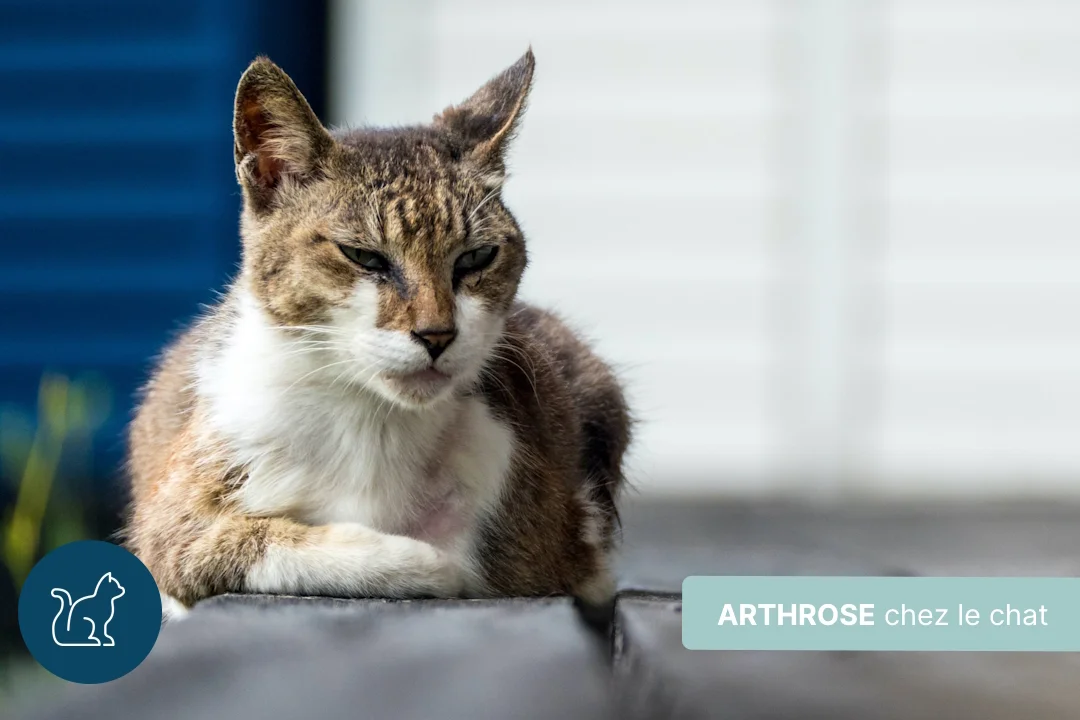
Osteoarthritis in cats: symptoms and natural solutions
05 May 2025
Read moreWhat is osteoarthritis in cats?
Osteoarthritis is a chronic, progressive joint disease caused by the progressive deterioration of the cartilage that protects the bony ends of the joints. In cats, this pathology is frequently underestimated, as these animals often mask signs of pain. It can appear as early as middle age, and affects over 80% of cats over 11 years of age. It is therefore crucial to know how to detect the first signs.
Symptoms of feline osteoarthritis
- Persistent lameness, especially after resting or in wet weather
- Difficulty jumping, climbing or moving quickly
- Change in habits: isolation, unusual aggressiveness, fewer interactions
- Reduced grooming, with a less well-groomed coat
- Significant reduction in general activity and less frequent play
Common causes
Several factors can contribute to theonset of osteoarthritis in cats:
- Natural aging, resulting in worn cartilage
- Excess weight puts extra pressure on joints
- Poorly healed trauma or old wounds
- Congenital joint anomalies or early joint disease
- A genetic predisposition specific to certain breeds such as the Maine Coon or Scottish Fold
Natural solutions to soothe your cat
A natural, holistic approach can improve your cat's joint well-being:
1. Weight control: Regular weight control is essential to limit pressure on joints. A well-balanced diet can help prevent osteoarthritis from worsening.
2. Gentle physical activity: Encourage regular but moderate movement. Interactive toys, easy-access courses and gentle play sessions are recommended.
3. Natural food supplements: Solutions such as FlexiCat, based on medicinal plants, can provide effective support without the side effects of traditional drugs.FlexiCat: natural support for feline joints
These herbs are complemented by essential amino acids such as L-Arginine, L-Lysine and Taurine. This combination acts on pain, inflammation and cartilage repair.
Conclusion
Feline osteoarthritis is a silent but disabling disease. Knowing more about it means better prevention. By keeping a close eye on your companion and opting for a natural treatment such as FlexiCat, you can prolong his comfort and mobility, even in old age. A preventive approach at the earliest signs can make all the difference to his joint health.
FAQ
At what age can a cat develop osteoarthritis?
It can start as early as age 7, but symptoms become more visible from age 11 onwards.
How does FlexiCat complementary feed help?
It provides natural support for joints, reduces pain and promotes mobility thanks to its herbal composition.
How long before I see any effects?
Improvements may appear after a few weeks of regular use.
-
 Default
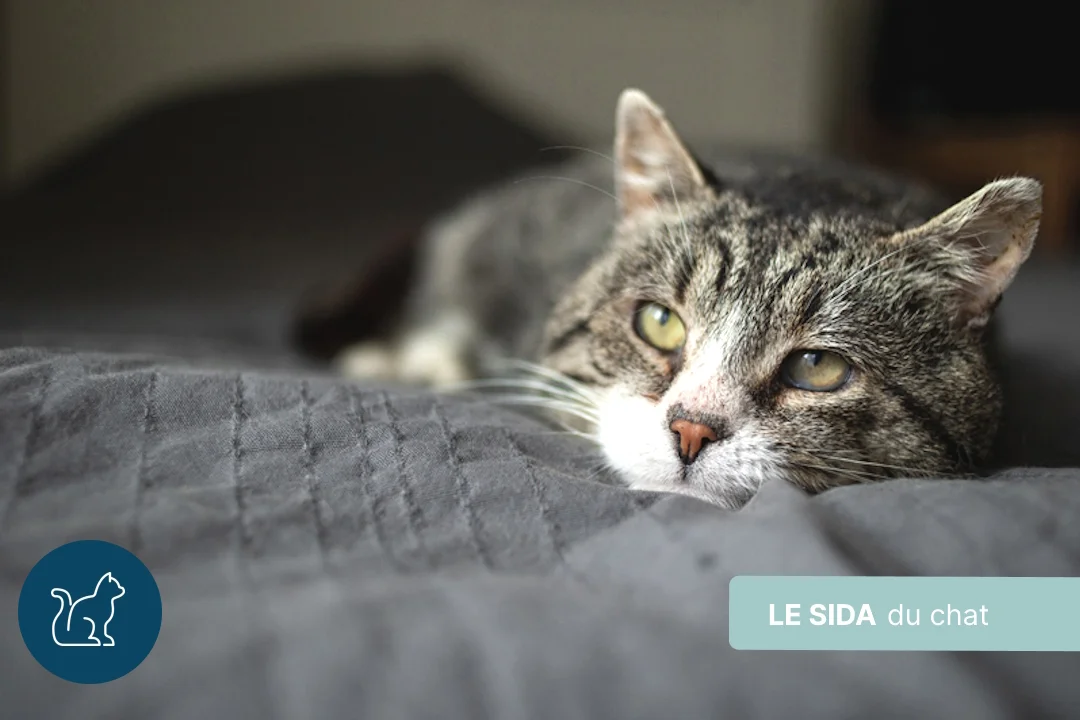
Aids in cats: understanding ivf
01 May 2025
Read moreFeline Acquired Immunodeficiency Syndrome (FIV), commonly known as "cat AIDS", is a worrying viral pathology that can affect our domestic felines. Despite its marked differences from human HIV, this disease is not lacking in striking similarities. In this article, Lore & Science tells you all you need to know about FIV in cats, exploring its causes, symptoms, diagnostic methods and management options.
What is FIV in cats?
FIV is caused by a virus called feline immunodeficiency virus (FIV). This virus belongs to the lentivirus family, like HIV in humans. It is mainly spread by deep bites during fights between unneutered male cats. Biting allows the virus to enter the animal's bloodstream. Once a cat has contracted feline immunodeficiency virus (FIV), it can remain asymptomatic for many years. This viral infection sneakily attacks the animal's immune system, primarily targeting T lymphocytes, the immune cells responsible for defending against pathogens. The result is a slow erosion of the cat's ability to cope with infections. As the seasons pass, the animal begins to develop increasingly serious health problems, revealing the progression of the disease.
How is FIV diagnosed?
One of the most commonly used means of diagnosing FIV is the antibody test. This blood test detects the presence of specific antibodies produced by the cat in response to infection with the virus. However, it should be noted that this test can give a positive result as early as a few weeks after infection, but is not reliable in kittens nursed by an infected mother, as they may have their mother's antibodies without being infected themselves.
To confirm the diagnosis of FIV, a viral RNA test can be performed. This is a molecular biology technique that detects the presence of the genetic material of the virus itself in the cat's blood. This test is more specific and reliable than the antibody test, and can help distinguish infected cats from cats carrying passive antibodies from their mother.
In some cases, further tests may be required to confirm the diagnosis. These may includeblood tests to assess the number of T lymphocytes, which are often reduced in FIV-infected cats. Urine tests may also be carried out to assess kidney function, as FIV can lead to kidney problems.
Thus, a thorough clinical examination by a veterinarian is essential to diagnose FIV. The vet will examine the cat's general condition, checking for symptoms such as recurrent infections, dental problems or swollen lymph nodes, which can be indicators of the disease.
It's important to note that the diagnosis of FIV should not be taken lightly. If a cat is diagnosed positive, it must be isolated from other uninfected cats to prevent the spread of the virus. In addition, regular veterinary follow-up is essential to monitor the cat's state of health and provide appropriate care. Although FIV cannot be cured, proper management can help maintain a cat's quality of life for many years.
How to care for and treat a cat with FIV?
The care of cats suffering from feline acquired immunodeficiency syndrome (FIV) requires a delicate and careful approach, as there is unfortunately no specific treatment to cure this viral disease. However, it is imperative to put in place measures to improve their quality of life while minimizing the risk of spreading the virus.
First of all, sterilization is the crucial first step for FIV+ cats to avoid territorial fights, potential bites, and transmission of the virus during mating. This surgical procedure also helps reduce the stress and risks associated with reproduction. In addition, it is strongly recommended that FIV cats be kept indoors, with limited exposure to the outdoors. This considerably reduces the risk of contact with other cats likely to spread the virus, as well as the risk of injury and infection.
On the care side, regular dental care, including scaling and extraction of problem teeth, is essential to maintain good oral health in FIV+ cats. Indeed, they are more likely to develop oral problems, such as gum and tooth infections.
Finally, a quality diet tailored to their specific nutritional needs can boost their immune system and help them fight off infections. Foods rich in protein and antioxidants are particularly beneficial.
Of course, close collaboration and follow-up with your veterinarian are essential. Careful monitoring of the animal's health allows for early detection of any emerging problems, and the implementation of preventive interventions. Blood tests and screening tests should be carried out periodically to assess the progression of the disease.
In summary, the management of cats with FIV relies on a combination of preventive measures, regular medical care and an appropriate diet. Although FIV cannot be cured, proper management of the disease can prolong a cat's life and improve its quality of life. If you suspect your cat may have FIV, consult your vet for screening and advice on care.
Share your experience or questions with us in the comments ↓
-
 Horse advice
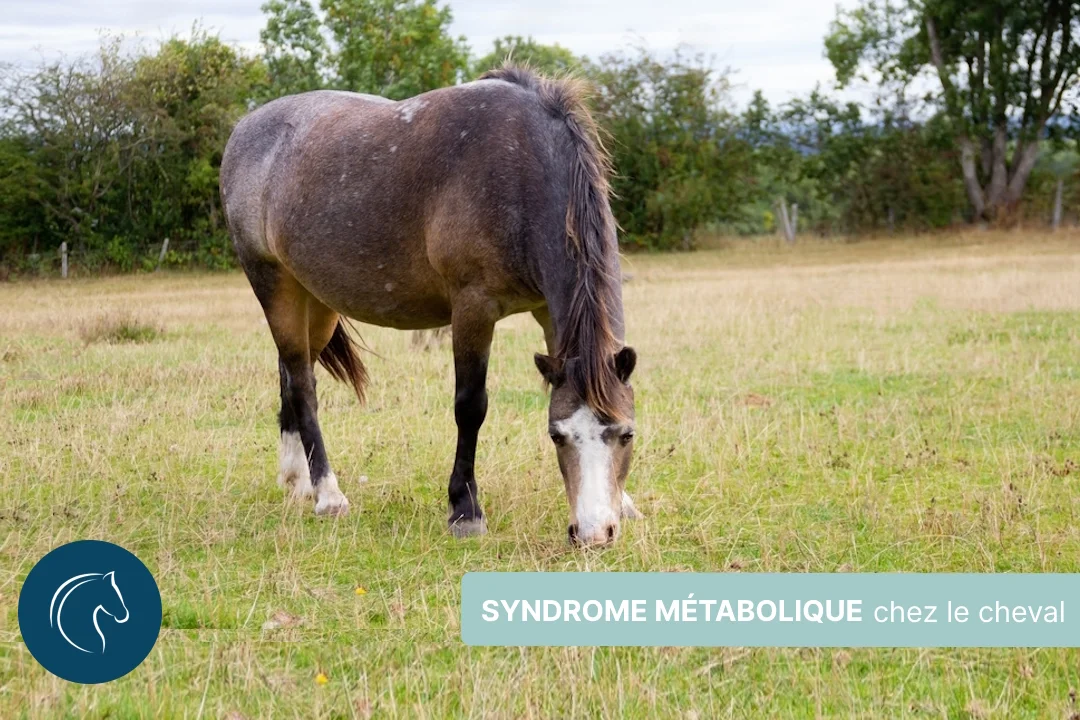
Ems or equine metabolic syndrome and the pancreas
01 May 2025
Read moreThe Pancreas: Exercise Capacity, Metabolic Syndrome and Ulcers, vast physiological implications. An endocrine and exocrine gland, the pancreas is at the origin of all our cells.
Embryology or the origins of who we are
It's the same for all mammals! The first-stage embryo consists of just five pancreatic cells. It is from these cells that the baby's body will be made whole and viable. This is certainly why the word pancreas, which comes from the Greek, means "all flesh".
Its physiological role
Exocrine function
over 90% of pancreatic cells perform the exocrine function of producing pancreatic juice, which breaks down proteins, sugars and fats in certain parts of the intestine (duodenum and small intestine in general), helping to ensure proper digestion.
 Exocrine secretions from the pancreas, rich in bicarbonate, neutralize stomach acidity.
Endocrine function
The endocrine function of the pancreas, which is performed by only a minority of pancreatic cells, is nevertheless of paramount importance. In its endocrine role, the pancreas produces two hormones Insulin and Glucagon, which in the blood regulate glycemia, i.e. the level of glucose or "sugar" in the blood, particularly in the muscles and liver.
The role of insulin
Immediate energy: insulin enables glucose to pass from the blood to the body's cells. In the muscles, where glucose is immediately consumed as energy. In the liver or fats, where it is stored. Glucose levels then fall in the blood.
The role of Glucagon
The hormone for energy recovery. In the event of a drop in energy, glucagon releases the glucose previously stored in the liver and fats, thanks to the action of insulin, and makes it available to the body for the energy it needs.
Diseases linked directly or indirectly to the pancreas
Of course, we're thinking directly of diabetes, which occurs when the pancreas no longer produces enough insulin, but what about other health problems in which pancreatic dysfunction could be involved?
What are the reasons for this insulin resistance?
Insulin is a key that can open cells, but the lock is jammed! Diet?
Cell membrane rigidity :
- Not enough good lipids:
A diet low in Omega 3 will "de-stress" the muscle cell membrane, preventing glucose penetration.
- Too many sugars:
A diet too rich in sugar will deplete the insulin production function and saturate the cell receptors over time.
The pancreas and sporting ability
With its dual role of supplying glucose to the muscles when needed, the pancreas meets both immediate and long-term energy requirements. Its proper function is essential to sportsmen and women, both in terms of the need for "kidney kick" and the need for endurance during exercise.
Conclusion: The Pancreas is the body's shape and form, and must be supported and maintained.
From a functional point of view, some plants are great supporters of pancreatic actions.
They don't replace hormones, as chemical insulin does, but act as the very essence or nourishment of this too-often misunderstood gland, which we watch exhausted as it sustains life.
Share your experience or questions with us in the comments ↓
-
 Default
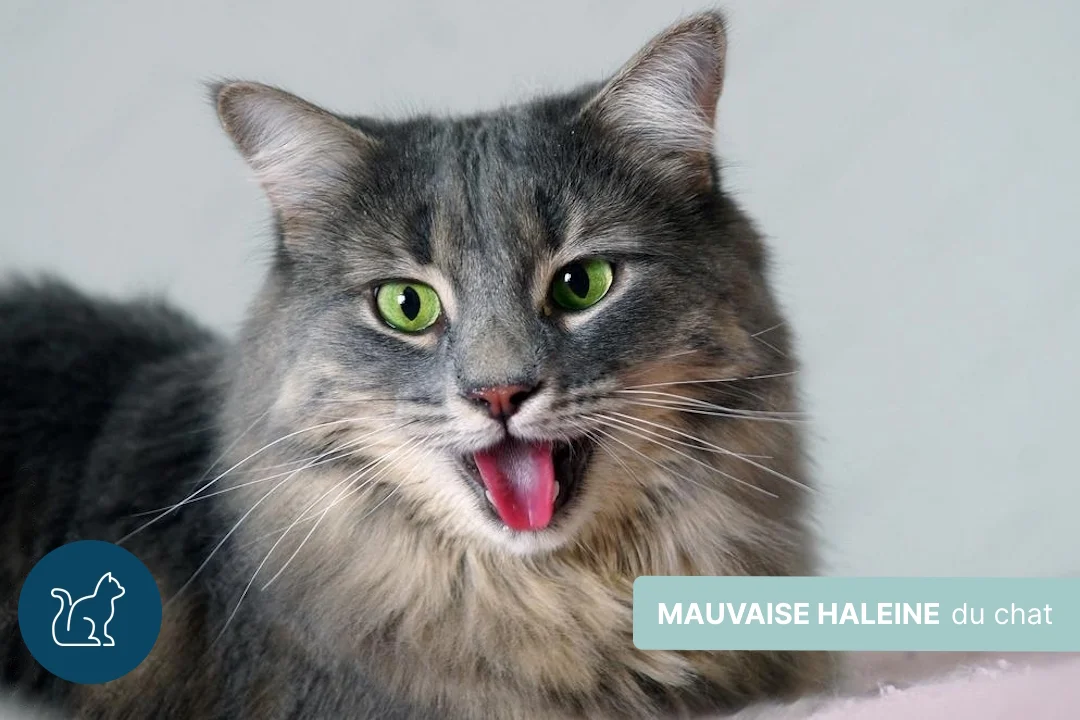
My cat has bad breath: what are the solutions?
30 April 2025
Read moreBad breath in cats, or halitosis, is a common problem that can sometimes worry owners. If the smell from your feline's mouth seems particularly unpleasant, you shouldn't ignore this sign. While some causes are benign, such as a specific diet, others may signal more serious problems with your pet's oral health. Lore & Science tells you all about bad breath in cats.
Why does my cat have bad breath? Understanding the causes
Plaque and tartar build-up
The main cause of bad breath in cats is often linked to theaccumulation of dental plaque and tartar. Plaque is a thin, sticky film that forms on your cat's teeth after every meal. It's made up of food debris, saliva and bacteria. If not regularly removed, this plaque hardens into tartar, a yellowish or brown calcified substance that builds up on tooth enamel. Untreatedtartar build-up can lead to persistent bad breath, as it encourages the growth of bacteria that produce volatile sulfur compounds, responsible for the unpleasant odor.
Dental disease: an underlying risk
Dental disease is another frequent cause of bad breath in cats. Among these, periodontitis is one of the most common and serious. This is an inflammation of the tissues supporting the teeth, often resulting from untreated gingivitis. Periodontitis can lead to tooth loss and severe pain.
Stomatitis, a generalized inflammation of the mouth, is another condition that can cause severe bad breath. It is often accompanied by severe pain, which can cause the cat to refuse to eat, leading to weight loss and generalized weakness.
Digestive problems: a less common cause
While tartar build-up and dental disease are the most common causes of bad breath in cats, digestive problems can also be responsible. For example, gastric or intestinal disorders can cause foul-smelling breath. Frequent regurgitation, vomiting or transit disorders are all signs that can accompany bad breath of digestive origin.
On the other hand, certain more serious conditions, such askidney failure, can manifest themselves as abnormally strong, ureic breath. This particular odor is due to the accumulation of toxins in the body, which the kidneys are no longer able to eliminate properly.
How to prevent and treat bad breath in cats?
Establish a regular dental hygiene routine
One of the most effective ways to prevent bad breath in your cat is to ensure rigorous dental hygiene. Brushing your cat's teeth should become a regular routine, ideally every day or at least three times a week. Use a toothbrush specially designed for pets, and a toothpaste suitable for them, as human toothpastes can be toxic to cats. Brushing helps remove plaque before it turns into tartar. However, not all cats readily accept brushing. It is therefore advisable to start this habit at an early age, so that they gradually become accustomed to it.
Consult your veterinarian regularly for descaling.
Despite all your efforts at home, it's sometimes inevitable that tartar will develop, especially in older cats. That's why regular visits to the vet are essential. During these visits, the veterinarian can perform professional scaling under anesthetic to effectively remove accumulated tartar and prevent periodontal disease.
Poor dental hygiene, the consequences for a cat's health
Neglected dental hygiene can have serious repercussions on your cat's health. As mentioned above, periodontitis is a condition that often results from poor oral hygiene. It can lead to tooth loss, making chewing difficult and painful for your feline. It can also lead to more serious infections that affect surrounding tissues such as the jawbone, and potentially cause osteomyelitis, a bone infection that is difficult to treat.
In addition to periodontitis, gingivitis- literally inflammation of the gums - is also common. If left untreated, it can lead to more serious dental problems. This can lead to dental abscesses, severe infections and even septicemia, a life-threatening systemic infection.
Conclusion
Bad breath in cats, or halitosis, is often a telltale sign of underlying disorders that deserve special attention. While the persistent unpleasant odor shouldn't be overlooked, it's essential to understand its causes, which range from plaque and tartar build-up to more serious diseases. With a good oral hygiene routine, you can preserve your feline's oral and general health. When in doubt, your first reflex should always be to consult your vet.
Share your experience or questions with us in the comments ↓
-
 Horse advice
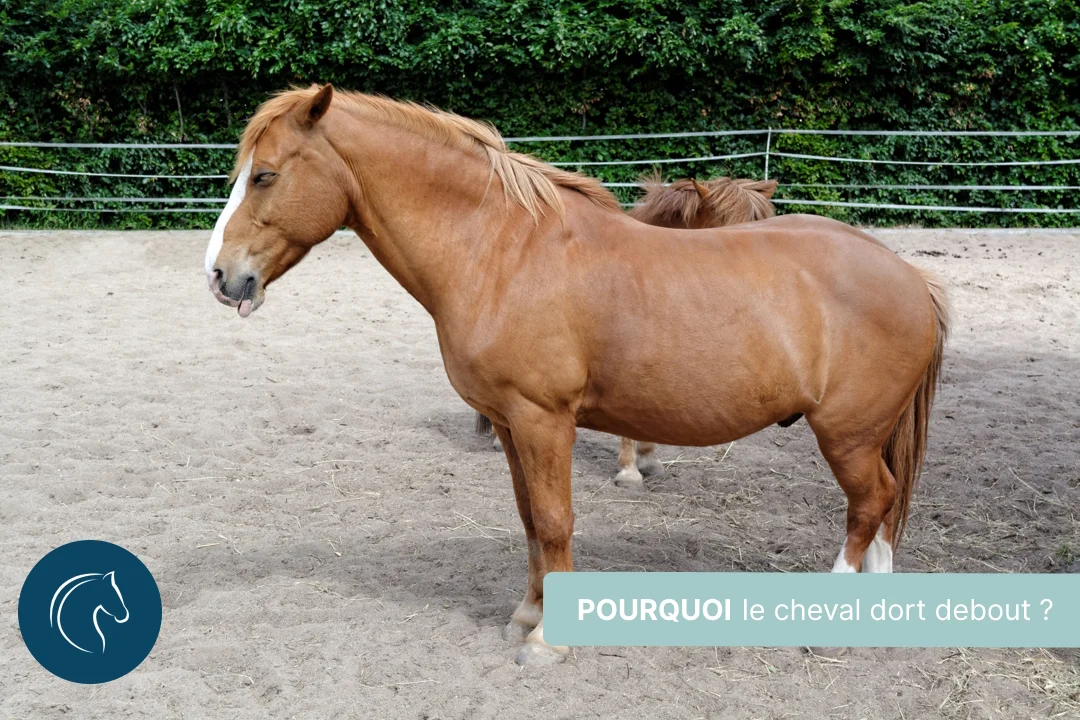
Why does the horse sleep standing up?
30 April 2025
Read moreWe often hear that horses sleep standing up. Is this a preconceived idea or a proven fact? The reality is a bit more complex than that. So, at Lore & Science, we examine for you the truth about horse sleep. Like all mammals, equines need quality sleep to stay healthy. In this article, find our best tips to help your horse rest.
The horse's ability to sleep standing up
And yes, horses are really able to sleep standing up! In reality, it will never be REM sleep. When they are standing, horses are in a light sleep or drowsiness phase, and more rarely in a deep sleep.
It is important to remember that, in nature, horses are prey animals. They have evolved to be constantly on the alert for potential dangers. This means that they have developed the ability to sleep standing up so that they can quickly escape in case of danger. Standing up, they can also give the illusion to potential predators that they are awake. Their hearing abilities remain alert in this position.
Horses can sleep standing up or lying down, depending on their environment and safety level. True REM sleep, however, can only occur when the animal is lying down.
How can a horse sleep standing up?
Like humans, horses' muscles relax when they fall asleep. However, a peculiarity of their joints allows them not to collapse during a nap while standing. Their kneecap is able to lock on a relief of the femur, which maintains their balance without soliciting important muscular contraction. Thus, this mechanism called "locking of the knee joint" allows them to rest without necessarily going to the lying position.
It will be noticed that after about ten minutes, the animal will come to change slightly its position to lock another support leg in turn.
How to help your horse sleep well?
As you can see, it is essential to provide a suitable environment for your horse to sleep well and maintain good health.
Here are our top tips for doing so:
- Provide a quiet environment (without loud noises), where he feels safe.
- Make sure your horse has a comfortable bed to rest in. Straw or shavings beds can provide excellent comfort for your horse.
- Give your pet enough room to lie down and get up without difficulty.
- Allow him to be around his peers to feel reassured. Horses are social animals that live in groups in the wild. Even in the stall, make sure he gets along with nearby horses.
- Avoid feeding your horse late in the evening, as this can disrupt his sleep. Horses need time to digest their food, so try to feed your horse a few hours before resting.
Helping a stressed horse sleep well
Is your horse particularly anxious? In spite of all your care, he can't rest enough? Natural solutions exist to help him.
You can supplement your horse's diet with clinically proven herbal remedies. For example, our stress-relieving synergy of medicinal plants Stress Less is perfect for calming and relaxing stressed horses.
Use this synergy as a cure to relieve an anxious horse, or to accompany him in case of change of environment or travel. The natural and quality ingredients are all grown in France according to the strictest standards. You will be able to benefit from the soothing effects of 5 medicinal plants with de-stressing virtues. Calming and offering induction to sleep.
What are the different sleep phases of the horse?
As you will have understood, a horse cannot sleep only standing up. This faculty exists to allow him to rest and regain his strength in contexts where he cannot allow himself to relax his vigilance completely. Let's develop the horse's sleep needs to better understand how to accompany him in his rest.
A lower sleep requirement than humans
Do you find that your horse or mare doesn't sleep much? Rest assured, equines need fewer hours of sleep than you do. On average, we estimate their daily need to be between 5 and 7 hours. Of course, this figure changes depending on the age of the animal. Foals and young growing horses will sleep almost 12 hours a day, while older horses will often settle for a few hours. In addition, horses are less subject to the circadian cycle (i.e. the alternation of day and night). They will tend to have short sleep cycles between 8pm and 5am, then between 12pm and 2pm on average.
Characteristics of slow wave sleep in horses
Slow Wave Sleep(SWS) is the non-REM sleep phase of the horse. It is a sleep phase that the horse can perform standing up.
This phase results in a slowing down of the respiratory and heart rhythms, and a consequent decrease in brain activity.
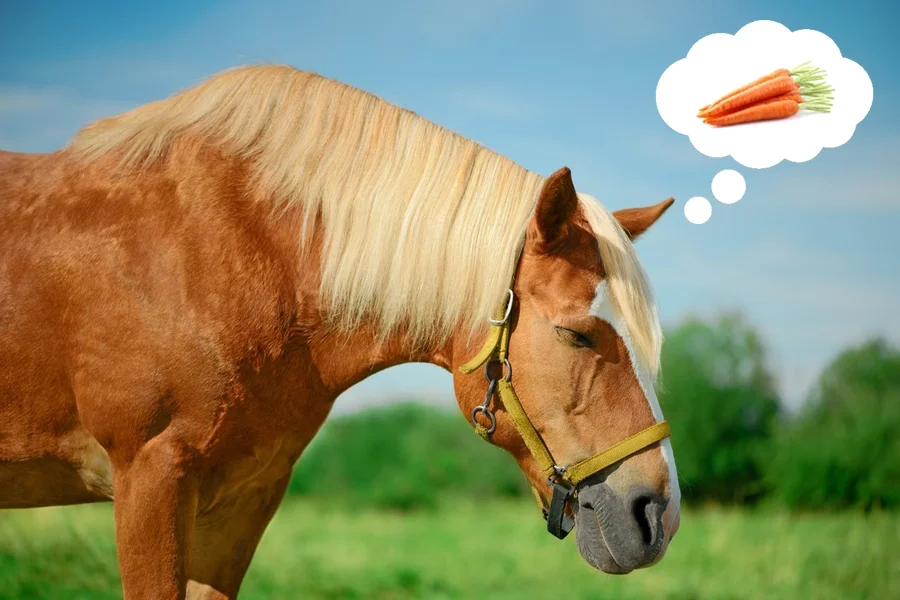
Physically, the animal will have its head down, eyes half-closed or closed and a regular alternation of the support leg.
It is also possible for horses to reach this sleep phase while lying in a "cow" position, i.e. when the forelegs are folded under the chest.
The paradoxical sleep of the horse
On the other hand, the REM sleep of the horse, which is essential for its good health, can only take place when the horse is lying down.
During this phase of sleep, brain activity is intense, while breathing and blood circulation are reduced. Rapid movements of the eyes, which remain closed, can be observed. At this time, muscle tension is too low to allow standing.
Physically, the horse will be lying on its side with its limbs extended. As mentioned above, this is a very vulnerable position for the animal. Therefore, only a favorable context will allow your horse to rest. However, REM sleep is essential for good health, for muscle recovery and for the prevention of injuries due to fatigue.
In summary, horses have evolved to sleep upright due to their prey nature and their constant need to be alert for safety. They are able to maintain this position through a leg lock system that allows them to rest while being ready to flee if needed. However, horses also need to sleep soundly to recover energy and maintain health.
By caring for your horse and allowing him to sleep properly, you can help maintain his overall health and well-being.
Need advice on sleeping with your horse? Leave us a comment ↓
-
 Horse advice
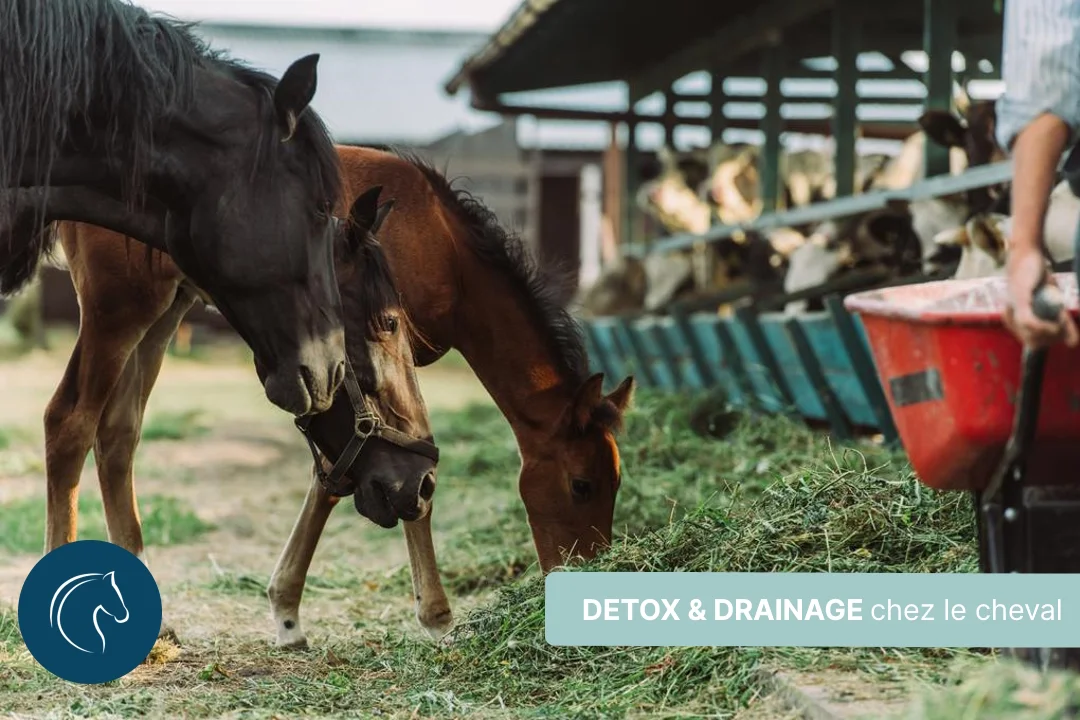
Detox and drainage for horses: understanding the differences
28 April 2025
Read moreIt is not uncommon for horse owners to seek to protect and improve the health of their animal. To do so, detoxification cures and draining are natural and effective approaches. However, these two processes remain distinct. Our experts guide you to understand the difference between detoxification and drainage in horses.
How to choose between detoxification and drainage for my horse?
Although both approaches are intended to support the overall health of the horse, detoxification and drainage are two distinct processes. Detoxification focuses on removing toxins from the body, while drainage focuses on removing excess fluids and toxins from the body's lymphatic and circulatory systems.
In other words, detoxification aims to cleanse the body of toxins that may accumulate over time, while drainage aims to facilitate the movement of fluids in the body, to help eliminate excess fluids and waste.
Thus, the two are complementary to each other. Detoxification must take place in case of toxemia. Toxaemia occurs when there are infections, parasitic infestations, drug overloads or poisonings. Drainage supports the health of the horse by purifying its body.
It is therefore not necessary to choose between detoxification and drainage in horses, but rather to understand the essential differences between the two in order to establish a global protocol.
How to detoxify a horse?
Detoxification means helping a horse's body to eliminate the toxins accumulated in its fatty tissues. These toxins come from a variety of sources. For example, horses are exposed to environmental toxins such as pollution, pesticides and agricultural chemicals. In addition, commercial horse feeds may contain processed ingredients, preservatives and artificial colorings that can be harmful to your horse's health. Medication treatments such as antibiotics and deworming can also lead to a build-up of toxins.
Choosing a good diet
A good diet is essential for the good health of your horse. It is a condition to help his body eliminate toxemia naturally. Therefore, choose a diet rich in whole foods, such as vegetables, fruits, good fatty acids like omega-3 and high quality proteins. This will reduce your horse's daily toxic load.
Medicinal plants for detoxification
How to carry out a drainage in the horse?
Drainage is a physiological process with a long-term effect only. It will allow the elimination of excess fluids and toxins from the body's lymphatic and circulatory systems. Drainage in the horse is important because itpromotes the circulation of fluids and nutrients, while reducing the accumulation of waste and toxins in the tissues.
It is recommended to perform a drainage in the horse (often in addition to a detoxification) in the fall and spring. Indeed, these seasons are the ones that put the most strain on our horses' bodies. Drainage will intervene in several cases:
- for theimprovement of the hepato-urinary and digestive functions of the horse
- to relieve engorged or "dry" limbs
- in case ofatony of the digestive system
- to revive the body of a tired horse
Drainage methods for horses
Drainage can be performed in different ways in equines. For example, massage or mobilization exercises can be used. These stimulate fluid circulation and encourage lymphatic drainage in particular. Other methods sometimes used are foot baths and hot or cold compresses. These more local techniques will help reduce inflammation and promote healing, especially on the limbs.
Nevertheless, if you are looking for a complete drainage, it is recommended to turn to a phytotherapy treatment. In fact, medicinal plants have been clinically proven to be effective in draining the horse's body in its entirety and in depth.
Medicinal plants for drainage
Detoxification and drainage: different and complementary actions
As you can see, detoxification and drainage are complementary processes that maintain a horse's health and well-being. Of course, you should always seek the advice of your veterinarian to diagnose and treat underlying health problems.
Detoxification and drainage support the healing process and ensure that the body functions properly throughout the year. Two detoxification and drainage cures a year are recommended for their preventive action. In spring and autumn, they will ensure that your horse's immune system is well-balanced, enabling him to enjoy seasons in top form.
Share your questions, your experience with us in the comments ↓
-
 Health topics
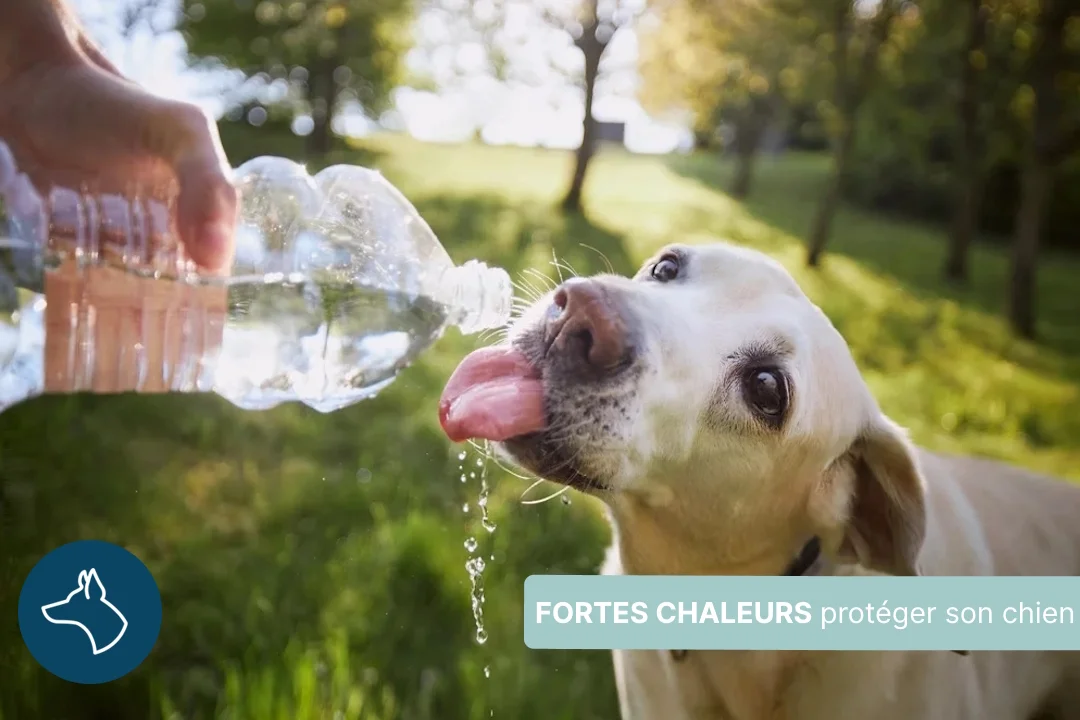
Summer heat: how to protect your dog?
23 April 2025
Read moreHot weather can be a real challenge for our four-legged friends. Unlike us, dogs don't sweat to regulate their body temperature; they rely primarily on respiration to cool themselves. If high temperatures are difficult for you, imagine what they can be like for a dog covered in hair and unable to cool down like we do. So how can you help your companion cope with the heat and stay healthy? Lore & Science offers practical solutions to ensure your dog's well-being during heatwaves.
Signs of overheating in dogs
Before discovering how to help your dog cope with the heat, it's vital to recognize the signs of overheating. A dog in thermal distress generally shows :
- rapid breathing or excessive panting,
- lethargy, where the dog refuses to move,
- excessive salivation.
In the most severe cases, vomiting or diarrhea signal heat exhaustion. In these cases, immediate action is required to avoid potentially fatal heatstroke.
Create a fresh, ventilated environment
The first step in protecting your dog from the heat is to provide a cool, well-ventilated environment. This may seem obvious, but it's important to take a few simple steps to make your dog's living space more comfortable. Good ventilation not only helps cool the ambient air, but also reduces humidity, which can exacerbate the feeling of heat.
If your dog spends time outdoors, create shady areas with umbrellas, shelters or trees to protect him from direct sunlight. Shaded ground will also be cooler.
Moisturizing
Essential for preventing heat stroke
Like humans, dogs lose a great deal of water through respiration and perspiration, mainly through their paw pads. So it's imperative to ensure that fresh, clean water is available to them at all times. To encourage regular hydration, multiply watering points by placing several bowls of water in different parts of the house and garden. Change the water frequently to keep it fresh.
To avoid dehydration, we recommend avoiding walks during the hottest part of the day. Instead, go out early in the morning or in the evening, when temperatures are milder.
The coat
The importance of coat clipping
If your dog has a thick or long coat, the heat can be even harder for him to bear. In this case, proper clipping can help him regulate his body temperature better. However, it's important not to shave your dog completely, as his coat also plays a protective role against sunburn and burns. Ask a professional groomer for advice on the best cut for your dog's breed and coat type.
Feeding
Adapt to different temperatures
During hot weather, you may need toadjust your dog's diet. Opt for lighter meals, divided into several small portions throughout the day, rather than one large meal. This reduces the digestive burden and avoids a rise in body temperature.
Certain foods can also help keep your dog hydrated. Water-rich fruits such as watermelon, cucumber or apples can be offered as treats. Make sure, however, that they are suitable for canine diets and contain no seeds or pits.
Respiratory problems in dogs in hot weather
Heat stroke, first aid procedures
Even with every precaution, it's possible for your dog to suffer from heatstroke. Knowing how to react quickly can make all the difference. If you suspect heatstroke, immediately move your dog to a cool, shady spot. Offer him fresh water, but don't force him to drink if he refuses. You can also wet his coat with cool water, concentrating on areas where blood circulation is important: legs, belly and head.
Avoid using ice water or ice cubes directly on the skin, as this may cause thermal shock. Monitor his condition carefully, and if his symptoms don't improve quickly, contact an emergency vet. Heatstroke can be fatal if not treated in time, so it's crucial not to wait for help.
Conclusion
Summer heat can be a real danger for our four-legged friends. Adequate hydration, a well-ventilated environment, appropriate physical activity, and special attention to dogs with respiratory problems are all keys to preventing the risk of overheating.
Remember that every dog is unique, and his needs may vary according to his breed, age and state of health. When in doubt, always contact your vet.
Share your questions and experiences with us in the comments ↓
On sale
100% natural guaranteed solutions
















Paiement
Sécurisé

100% végétal
sans ogm

Fabriqué
en france

Livraison
rapide

Sans agents
chimiques
Newsletter Lore&Science
Subscribe and
Subscribe and
get 10% off