

- Our products
-
 My account
-
 Cart
Cart





Connexion
Create an account
Create an account
Connexion

Lore&Science's blog
Discover our range of health supplements specially formulated to support the well-being of dogs, cats, and horses, helping maintain their vitality, mobility, and overall balance every day
-
 Horse advice
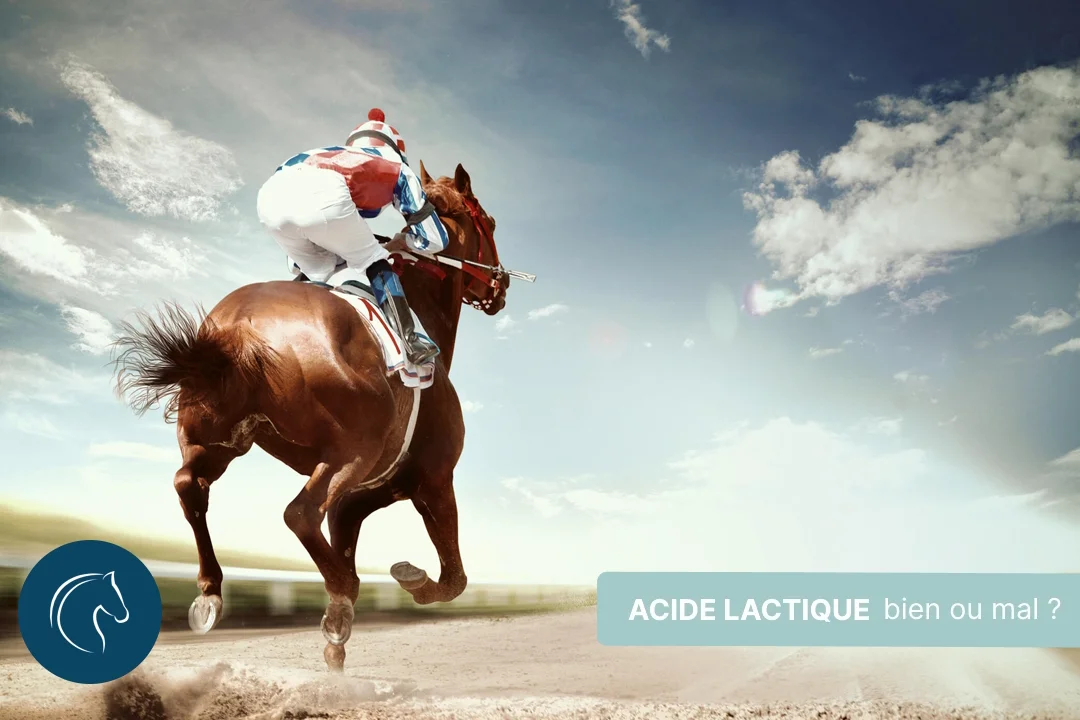
Lactates and lactic acid: good or bad for our horses?
06 March 2025
Read moreLactates, lactic acid friends or enemies of racehorses?
Lactic acid, far from being an organic waste product, is one of the main elements produced by the muscles for their energy.
Lactates and lactic acid come from the action of glycolysis produced by the muscles, a natural process that transforms glycogen (a form of sugar stored in the muscles) into energy.
They are therefore essential to training but not consumed it must get rid of them.
Aerobic and anaerobic
This process of muscle energy production occurs either in the presence of oxygen (aerobic) or without oxygen (anaerobic) and it is in this second case that lactic acid is produced.
The aerobic phase
In the aerobic phases of moderate paces and long-distance training, the lactates produced are all used, particularly for muscle energy. There is therefore no accumulation or overload of lactates in the blood.
 During the slight anaerobic phases that occur even in the cross-training phases, the lactates produced are consumed.
The anaerobic phase
Anaerobic threshold: the anaerobic threshold is the moment when the aerobic phase is no longer sufficient to produce enough lactate for the intensity of the effort required.
The horse will then go anaerobic and lactic acid production will skyrocket.
The faster the horse is asked to go, the more muscular energy it will produce to do so. Lactate production intensifies, and not all lactates are consumed: lactic acid accumulates in the bloodstream.
Cramps, joint stiffness
Is lactic acid responsible?
In part, yes, but these ailments are mainly due to poor blood circulation in the capillaries irrigating the muscles.
This impaired blood circulation slows down cellular oxygenation of the muscles and the "evacuation of lactic acid".
How can we help horses use this energy to the fullest?
Organs and glands to pamper → EFFORT RESISTANCE
The Pancreas
The Heart
The heart is a muscle that also produces lactates during exercise. To function properly, it must receive its energy sources from the pancreas.
The heart and the pancreas, which are closely linked, become inseparable for sports performance, one carrying the blood and the other the energy substrates.
The Blood
see final paragraph ↓
How can I get rid of accumulated acids in the blood faster and easier?
1Longrecovery is the preparation for the next race → ACIDLESS
The urine
The kidneys will eliminate the last traces of acids.
2Helphis blood circulation → FILBLOOD
One of the characteristics of horses is that their blood is very thick, which does not give them an advantage in eliminating overloaded acids.
It is the blood that serves as a vehicle in the body, either to feed or to eliminate.
It is easy to understand that the better the blood circulates, the better the horse breathes (circulation of oxygen to the muscles and organs) but also that it eliminates waste faster (circulation of this waste to the emunctories)
You liked this article, don't hesitate to react in the comments.
-
 Health topics
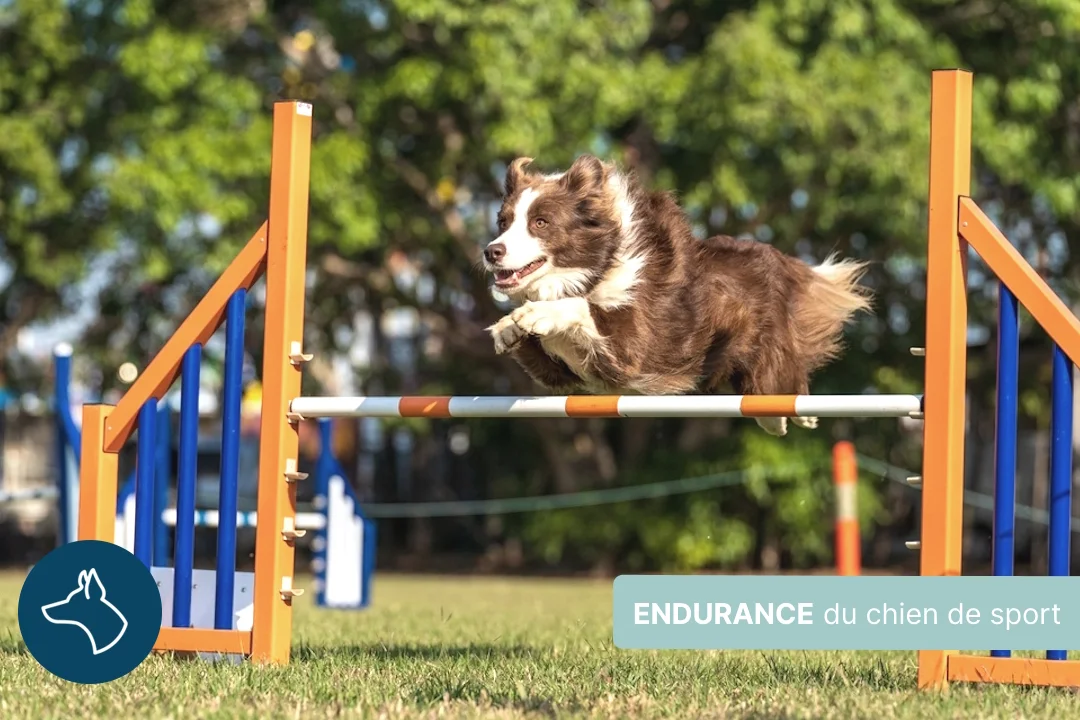
Improving your sporting dog's stamina: tips and strategies
03 March 2025
Read moreSporting dogs, whether in IPO competitions,agility, canicross, flyball or other physical activities, need extra stamina to perform at their best. That's why Lore & Science specialists explain how to improve your sporting dog's stamina. From nutrition to training and recovery, discover strategies and tips to help your dog excel on the field.
Endurance in sporting dogs: an indispensable asset
Endurance, in the context of dog sports, is of paramount importance. It is defined as a dog's intrinsic ability to sustain an intense level of physical activity over a prolonged period. This ability is the cornerstone of your four-legged friend's performance. Indeed, during competitions or demanding sporting activities, the ability to maintain a sustained effort is synonymous with success. This enables your dog to compete to its full potential, minimize the risk of fatigue-related injury and enjoy the sporting experience to the full. In short, stamina is the key to your sporting dog's performance and well-being.
The right diet to optimize endurance in sporting dogs
Quality nutrition is the foundation of your dog's athletic performance. The nutritional needs of sporting dogs are different from those of sedentary dogs. To optimize your pet's performance, it's vital to understand how to balance the key macronutrients: proteins, carbohydrates and fats.
Let's start with proteins. Protein is essential for building muscle strength. Opt for a diet rich in high-quality protein, as it provides the essential amino acids needed for muscle growth and tissue repair. Well-developed muscles are less likely to tire quickly, which is a key factor in keeping your dog's stamina at optimum levels.
Carbohydrates are the main source of energy for active dogs. Complex carbohydrates, such as those found in whole grains, are a wise choice. They release energy on a regular, sustained basis, which is particularly important for prolonged sporting activities.
Progressive training: the key to developing canine endurance
Together with proper nutrition and hydration, training is of course the key to optimal endurance for your sporting dog. We recommend a progressive and adapted training program to improve your dog's sporting performance, while respecting his health. This allows muscles, joints and the cardiovascular system to adapt gradually to the effort involved, while preventing boredom.
Running, swimming, jumping and other exercises can be incorporated to bring versatility to your sporting dog's training. This diversification of activities strengthens his overall physical condition, as each exercise solicits and develops specific muscular skills.
Finally,mental training is an often overlooked but crucial facet of endurance improvement. Thinking and obedience exercises strengthen your dog's concentration and mental stamina. These activities stimulate his intellect, which is essential for maintaining sustained performance over long periods. What's more, a mentally stimulated dog is better able to stay engaged and focused during training sessions, which is particularly important for demanding sporting activities.
Better recovery for better endurance in sporting dogs
Active recovery plays a vital role in preventing excessive fatigue and injury. After an intensive training session, it's imperative to plan a period of active recovery. This allows your dog to gradually return to a resting state, while helping to reduce the build-up of lactic acid and other metabolic waste products in the muscles, thus helping to prevent muscle fatigue and maintain high-level performance over the long term.
There are three main factors to take into account to promote a good recovery process: stretching, massage and sleep.
The importance of stretching lies in its ability to prevent muscle stiffness by improving the flexibility of the muscles that have been used during exercise. This increased flexibility promotes your dog's agility and mobility, keeping him supple and ready for new sporting adventures. Targeted massages can relax tense muscles, reduce muscle knots andimprove blood circulation. The quality of your dog's sleep is essential to his health and performance. A restful night's sleep is essential after intense exertion, as it is during sleep that the body carries outtissue repairs, replenishes energy reserves and consolidates mental learning. So it's imperative to create a calm, comfortable environment for your canine companion, enabling him to benefit from quality rest.
As you can see, endurance and its improvement are essential elements in your dog athlete's performance. You can help improve your canine companion's sporting performance by providing him with an appropriate diet, setting up a progressive training program and paying particular attention to his recovery and care. This will enable your canine companion to achieve excellence in his sporting activities.
Share your experience with us in the comments ↓
-
 Health topics
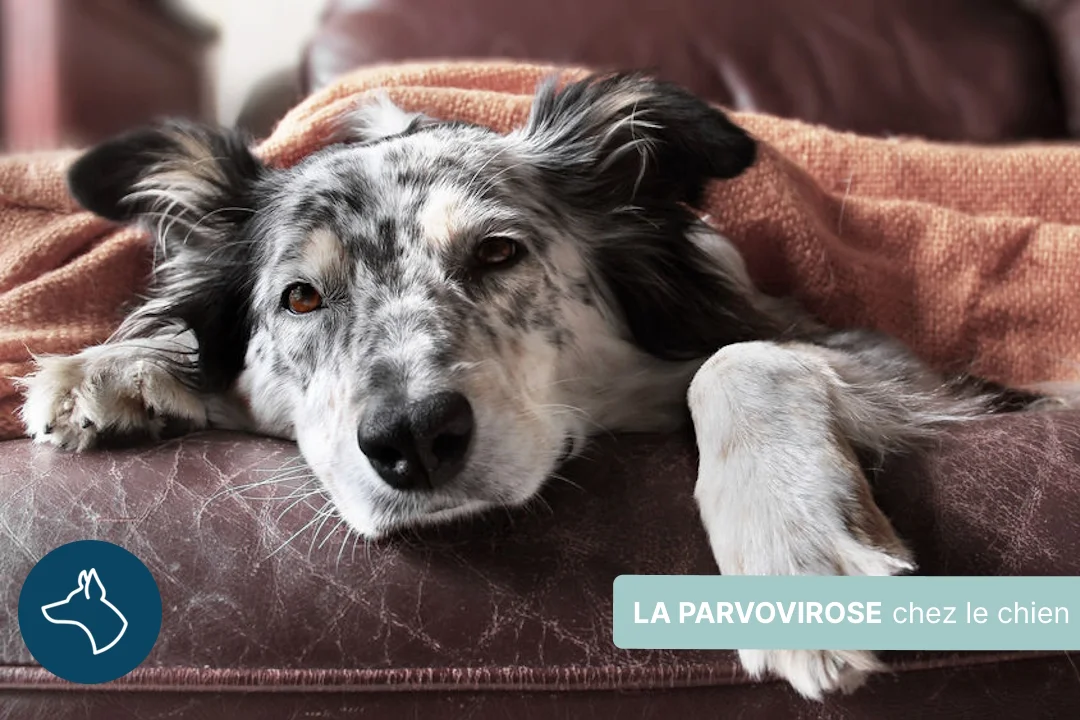
Parvovirus and gastroenteritis in dogs: symptoms, treatment and prevention
28 February 2025
Read moreDiseases affecting a dog's digestive system are dreaded and feared by owners. Parvovirus and gastroenteritis are two diseases that affect dogs' gastrointestinal systems, and can have serious consequences if not diagnosed and treated quickly. Lore & Science's specialists explain parvovirosis and gastroenteritis in detail: symptoms, treatment, preventive measures... You'll know everything you need to know to take the best possible care of your four-legged friend.
What are the symptoms of parvovirus and gastroenteritis in dogs?
Parvovirus symptoms
Canine parvovirus is a highly contagious viral disease that affects the gastrointestinal tract of dogs. The culprit behind this disease is the canine parvovirus, a pathogen that can survive for long periods in the environment and resist many disinfectants. Prevention is therefore essential.
The disease is generally characterized by a series of sudden and severe signs. One of the first signs is diarrhea. It is often abundant, liquid and may contain blood, which is particularly worrying. Repeated and sometimes violent vomiting may also occur. You need to be extremely vigilant to avoid the risk of malnutrition and dehydration, especially as the disease leads to a loss of appetite and weight, due to the dog's lack of interest in food. Finally, in response to the viral infection, the animal's body temperature rises, generating a fever that signals the immune system's response. All these symptoms lead to lethargy and apathy. He then appears exhausted and has difficulty moving around or engaging in normal activities.
It's important to note that the risk exists for dogs of all ages, although puppies and young individuals whose immune systems are not yet fully developed are particularly vulnerable. Parvovirus is a serious disease that requires immediate medical intervention to maximize the chances of recovery. All dog owners should be aware of the warning signs of parvovirosis, and act quickly if they suspect this potentially fatal disease.
Symptoms of gastroenteritis in dogs
Gastroenteritis, on the other hand, is a common ailment in dogs. Unlike parvovirus, which is caused by a virus, gastroenteritis can have many causes, including bacterial, viral or parasitic infections, food allergies, sudden changes in diet, or stress. Dogs suffering from gastroenteritis may present a variety of gastrointestinal symptoms, similar to those of parvovirus, such as :
- Diarrhea
- Vomiting
- Loss of appetite
- Lethargy
Added to these signals are possible abdominal discomfort, as well as flatulence or belching. Overall, the severity of symptoms can vary depending on the underlying cause of gastroenteritis.
How to treat canine parvovirus and gastroenteritis?
Treatment of parvovirus is mainly symptomatic, unlike that of gastroenteritis, which depends on the underlying cause. There are treatments common to both conditions. Your veterinarian will always be the best person to prescribe the appropriate treatment for your companion, depending on his or her profile and the diagnosis made.
Treatments for both parvovirosis and canine gastroenteritis generally include anti-vomiting and anti-nausea drugs. There are also medications to combat diarrhea. These symptomatic treatments relieve the animal and combat potential dehydration, which can have serious consequences.
How can I protect my dog from parvovirus and gastroenteritis?
How can gastroenteritis be prevented in dogs?
Preventing gastroenteritis in dogs is essential, and relies largely on rigorous food and environmental hygiene practices. It's imperative to ensure that your dog doesn't eat spoiled or potentially toxic food, as careless ingestion can trigger gastrointestinal disorders.
You should also avoid sudden changes in diet, as your companion's digestive system can be sensitive to sudden changes in diet. A gradual dietary transition over several days can reduce the risk of gastrointestinal upset associated with a change of food. In addition, it's vital to ensure your pet has constant access to fresh water, as adequate hydration is essential to maintain gastrointestinal health and prevent dehydration.
How can I protect my dog from parvovirosis?
Parvovirus prevention is mainly based on vaccination. Puppies are usually vaccinated against parvovirosis from an early age, and booster shots are given regularly throughout their lives.
In addition to vaccination, dog owners are responsible for creating a clean, hygienic environment for their pets. Clean living spaces, regular disinfection of areas frequented by the dog, and proper management of dog faeces all contribute to significantly reducing the risk of contamination by the virus.
Finally, another crucial aspect of prevention is to avoid your dog coming into contact with other dogs of unknown or unvaccinated status . This precaution minimizes opportunities for virus transmission between animals, and plays a key role in protecting the health of your faithful companion.
Parvovirus and gastroenteritis are two gastrointestinal diseases that can jeopardize our dogs' health. The key to protecting your dog's digestive health lies in prevention. Be sure to keep your dog's vaccinations up to date, especially for parvovirus. In addition, adopt rigorous hygiene practices and avoid potentially risky situations. Of course, if your dog shows symptoms of gastrointestinal problems, don't delay in consulting your vet for an accurate diagnosis and appropriate treatment.
Share your experience or questions with us in the comments ↓
-
 Horse advice
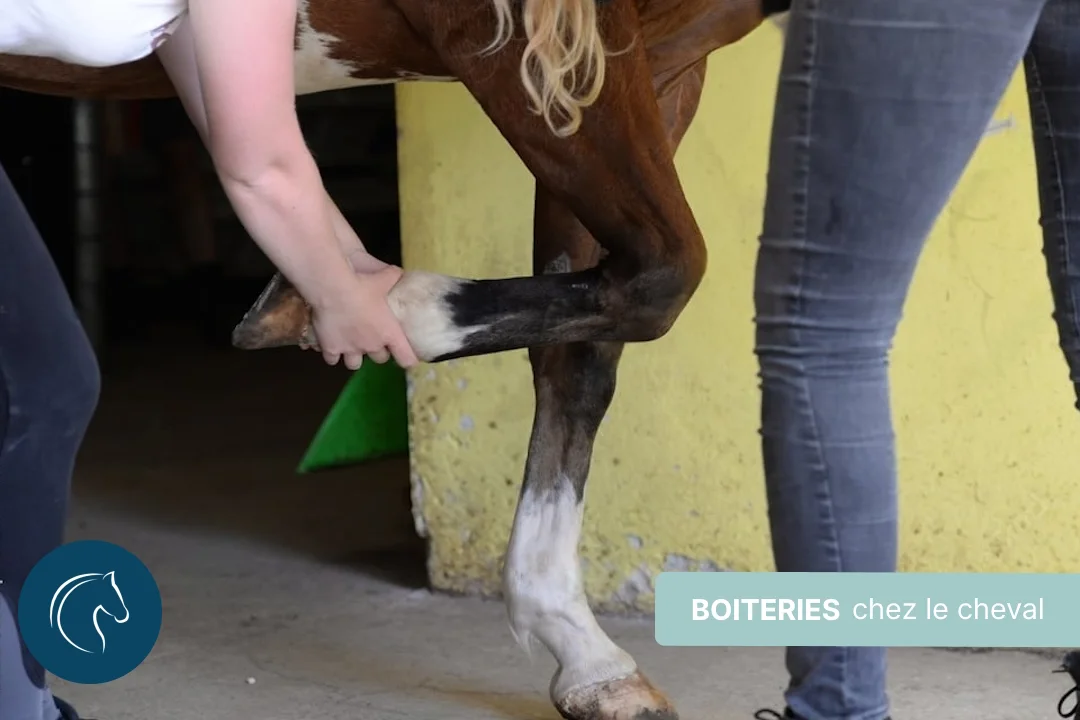
Limping horse: what to do?
24 February 2025
Read moreHorse owners know and dread it: lameness in horses is a common but often worrying problem. There are many reasons why a horse limps, and the severity of lameness can range from mild to severe. It is therefore essential to know the most common potential causes, as well as the related treatment protocols, in order to identify the source of lameness as quickly as possible and treat it as effectively as possible to limit the risk of more permanent lesions in our equines. That's why Lore & Science has created this guide to the essential steps involved in managing a lame horse.
What is lameness in horses?
Lameness is simply a symptom that manifests itself as an abnormality in a horse's gait. It often indicates pain or discomfort in one of its joints, muscles, tendons or bones. This condition can affect one or more limbs, and varies in intensity.
How to identify the cause of lameness?
A marked lameness, a swollen limb or trauma can usually quickly identify the cause of the lameness. A blow, a fall, excessive or inappropriate training... can lead to injuries that affect the bones, joints, tendons or ligaments of equines.
The most common injuries are contusions and strains, which cause slight irregularities in the horse's footing. More serious injuries, such as fractures, tendonitis or desmitis (inflammation of tendons or ligaments), can also occur and should never be overlooked. In case of doubt, the intervention of a veterinarian is essential to treat the affected limbs correctly.
Joints also play a central role in lameness problems in horses, and the conditions that affect them can be degenerative or inflammatory in nature. These include diseases such asarthritis, a chronic inflammation of the joints that leads to persistent pain and a noticeable reduction in mobility. Synovitis, on the other hand, is characterized by inflammation of the synovial membrane, resulting in acute pain and marked lameness. Finally,osteoarthritis represents a progressive degradation of articular cartilage, often attributed to age or ongoing wear and tear, and leads to a gradual deterioration in joint function.
Some horses also suffer from what is known as navicular syndrome. Initially, affected horses may present with intermittent lameness which, in the absence of appropriate treatment, may become permanent. One of the telltale signs is pain on pressure, with the animal showing increased sensitivity on palpation of the navicular region. A reduced stride is also regularly noted, especially on hard ground. This condition also causes the horse to modify its posture, seeking to avoid exerting pressure on the affected feet. The result is noticeable changes in posture and a visible adaptation in the way the horse moves.
What to do if your horse limps?
The first thing to do when a horse starts limping is to put it to rest immediately. The idea is to avoid any activity or movement likely to aggravate the situation. This rest is essential to allow the damaged structures to begin the healing process without being subjected to additional stress.
The second essential step is to consult a veterinarian. Only a professional will be able to assess and diagnose the cause of the lameness, prescribing any necessary tests, whether X-rays,ultrasound orMRI. The treatment then prescribed will be the most appropriate for each horse and each situation. In some cases, localized relief can be achieved byapplying cold (with cold compresses, for example) to the injured limb. However, this practice must be carried out with care, taking care not to prolong exposure to the cold to avoid frostbite. Support bandages can also provide occasional assistance. Similarly, the correct application of a support bandage requires specific skills, often taught by a veterinarian or experienced professional, to ensure that it offers maximum benefit without causing additional discomfort or damage.
Long-term management of lameness
Conclusion
A problem as common as it is worrying for owners, lameness in horses should lead to the implementation of a simple protocol: rest and consultation with an equine veterinarian. In the case of the most sensitive horses, or those suffering from conditions such as navicular syndrome, an adapted daily routine is necessary, with special care and attention paid to the animal's feet, working, living conditions and diet. Only then can you best support your companion's quality of life and comfort.
Share your experience or questions with us in the comments ↓
-
 Horse advice
Flies in horses: how to keep them away?
20 February 2025
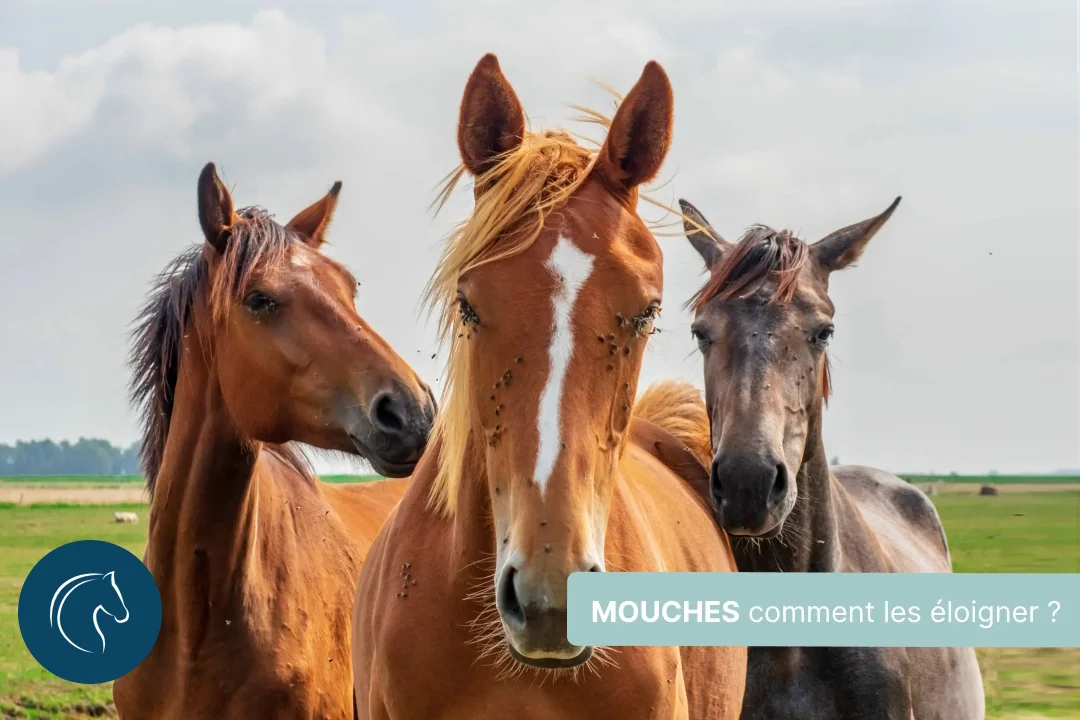
Read moreAs soon as spring begins, flies start to invade horses in the prairies making their daily lives difficult.
Flies, horse flies, mosquitoes and flying insects in general are naturally attracted to the dirt and sweat marks of horses. Flies are mainly attracted to wet areas and the horse's hair.
In order to preserve the well-being of the horse, it is essential to adopt the right practices. Lore & Science provides all the secrets to protect horses from flies.
Are flies dangerous for horses?
Flies, although seemingly harmless, can cause a lot of trouble for horses. Some horses are more sensitive than others to this phenomenon and may feel a very strong discomfort. Others may develop allergic symptoms.
This daily discomfort can drastically alter the horse's habits and the distribution of time spent on its activities. The length and timing of outings are modified to limit the presence of insects. Feeding, resting and moving are also affected.
This set of changes can become a source of stress and anxiety for the horse and lead to behavioral changes in the horse.
In addition to discomfort and annoyance, flies can cause conjunctivitis and internal injuries. Mosquito bites can transmit serious diseases such as West Nile fever.
However, there are solutions to limit the presence of flies in stables and paddocks. First of all, it is important to recognize the different types of flies that make life difficult for horses.
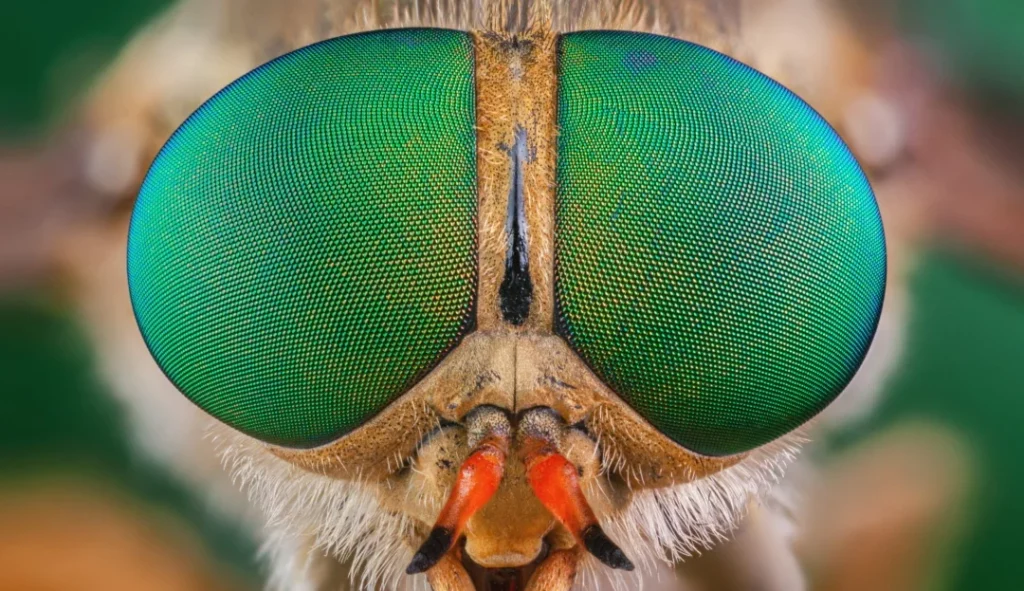
Types of flies in horses
1 Flat flies
The watchword of flat flies or spider flies is continuous harassment. They make life very difficult for horses between April and October with a peak of activity in summer. Unlike other insects where only the female bites, with flat flies the males also participate in the bites.
Their bites are particularly painful and cause sudden defensive reactions in horses. Anxiety may also occur.
It is important to know that flat flies are found in places that are often inaccessible to horses, mainly in the perineal area. These areas include the tail, udder, lower belly and inner thighs.
2Black flies
Black flies are a yearly plague for horses. These insects are usually reddish to black in color and measure between 2 and 6 millimeters. Because of their color and size, black flies are often mistaken for normal flies. This is why their danger is often underestimated.
As soon as spring arrives, they settle in the ears and the abdominal area. Their bites and more precisely the saliva of the fly, causes severe allergic reactions accompanied by strong itching. The latter are comparable to eczema with the appearance of crusts on the surface of the skin.
Black flies are vectors of transmission of summer dermatitis in horses. Indeed, many horses are allergic to their saliva.
It is a chronic skin disease characterized by skin lesions. The larger the wounds, the more black flies are present. It is therefore essential to treat the animal at the first sign of infection.
3Taons
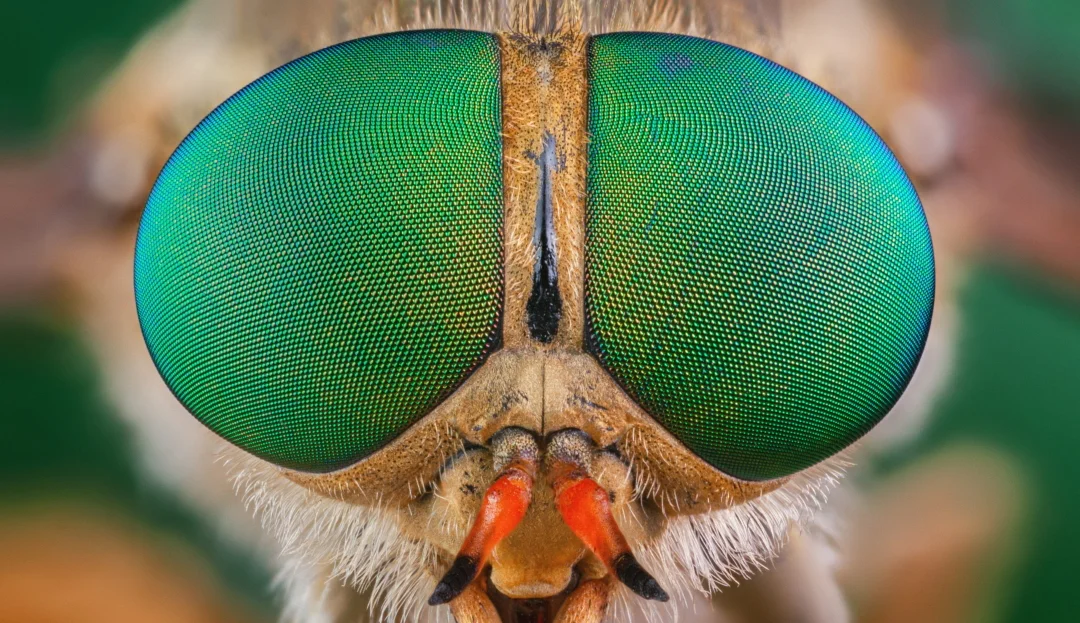
The horsefly is easily recognizable by its larger size than the classic flies. The bites of the female horsefly are not only painful but also dangerous for the horse.
Indeed, the bites may cause the horse to panic by making it very agitated and cause abnormal behavior. Horseflies can transmit diseases such asanthrax or Lyme disease. Male horseflies are harmless because they feed on flower nectar.
Horses are most often bitten in the paddock. These insects are attracted by the perspiration the horse emits, but also by the movement, heat and carbon dioxide emitted by breathing. Working sessions with horses should therefore be avoided as much as possible in hot weather.
How to protect horses from flies?
Fly repellent spray
Anti-fly accessories
Another solution is to use appropriate protection. The anti-fly masks allow to fight against these insects which come on the eyes of the horses. There are different types of masks, with or without ear protection. It is also possible to opt for a muzzle protection or not.
Fly covers reduce horsefly and fly bites by protecting a large area of the horse's body. They also keep away the midges that appear in the evening.
Maintain the horse's living environment
It's essential tomaintain the horse'sliving environment to ensure impeccable hygiene.
There are many simple steps to take:- Regularly clean and disinfect the stalls;
- Dispose of manure away from the barn;
- Create draughts in the stable. Flies can't stand them;
- Avoid going out and working in hot weather. It is preferable to go in the early morning or late evening. It is also possible to organize sessions in a covered riding arena in order to be cool;
- Favour group outings to ensure mutual aid. This will allow them to chase flies.
It is also advisable to watch for standing water near horses. This tends to attract more flies and mosquitoes.
Is your horse sick of flies? Share your opinion with us in the comments ↓
-
 Health topics
Hip dysplasia in dogs - the complete guide
17 February 2025
Read moreOwners of large dogs know and fear it: hip dysplasia is one of the most common and worrying conditions affecting our four-legged friends. It can lead to pain and reduced mobility in our dogs. In this comprehensive article, Lore & Science tells you all about hip dysplasia: its causes, symptoms, prevention methods and treatment options.
Understanding hip dysplasia in dogs
What is hip dysplasia?
Hip dysplasia, also known as coxofemoral dysplasia, is an orthopedic condition that affects the hip joints of dogs. Essentially, it's an abnormal development of the hip, where the head of the femur (the thigh bone) doesn't fit properly into the acetabulum (the hip socket). This maladaptation creates excessive friction, leading to progressive deterioration of the articular cartilage, pain and inflammation.
Causes of hip dysplasia
Several factors contribute to the development of hip dysplasia in dogs. These includeheredity, rapid bone growth, excessive body weight andinadequate diet. Large-breed dogs, such as the German Shepherd, Labrador Retriever and Golden Retriever, are particularly prone to this condition. Heredity plays a key role, as hip dysplasia tends to be passed on from generation to generation.
Symptoms of canine hip dysplasia
Recognizing the signs of hip dysplasia is essential for early intervention. Symptoms vary in severity and can appear as early as five months of age in puppies or later in older dogs. Here are some common signs to look out for:
- Lameness, with a dog that may limp or show stiffness when standing up or walking.
- Reduced and unattractive physical activity
- An unusual posture, with hind legs close together and back arched.
- Difficulty getting up after sleeping or resting.
- Reduced hip mobility
Note that these symptoms may be more pronounced after exercise or in cold weather. Once you've observed any of these signs in your dog, consult your vet immediately for an accurate, personalized diagnosis.
How is hip dysplasia diagnosed in dogs?
Diagnosis of hip dysplasia is usually based on a combination of methods, including physical examination, X-rays and the dog's medical history. X-rays are often the method preferred by veterinarians, as they enable the structure of the hip to be clearly visualized and the degree of dysplasia to be determined. Once diagnosed, hip dysplasia is classified into several stages, ranging from mild to severe, depending on the severity of the condition. This classification will help the veterinarian determine the best treatment plan.
How is hip dysplasia treated?
The management of hip dysplasia in dogs can vary according to the severity of the condition, the dog's age and individual needs. Fortunately, there are treatments available to alleviate the symptoms and improve the general well-being of your faithful companion.
Adapting to everyday life
On a daily basis,moderate, controlled exercise is essential to maintain the musculature surrounding the hip joint. Low levels of physical activity can lead to muscle atrophy, aggravating the condition. However, avoid excessive physical activity or sudden jumps, as these can aggravate the pain.
Drug and surgical treatments for dysplasia
Steroidal anti-inflammatory drugs (NSAIDs) are commonly used to provide temporary relief. However, their long-term use must be closely monitored to avoid side effects.
For dogs with severe hip dysplasia,OPT is a surgical option to improve hip joint stability. This procedure modifies the structure of the pelvic bone to reduce pain and enable better joint function. OPT is, admittedly, a major surgical procedure. However, it can significantly improve a dog's quality of life.
Finally, in cases where other treatment options are not effective, hip replacement may be considered. This surgical procedure involves replacing the defective hip joint with an artificial prosthesis. Although costly and complex, this procedure can offer significantly improved mobility for dogs suffering from more severe hip dysplasia.
The choice of treatment will of course depend on the stage of hip dysplasia, the dog's age and general physical condition. It is therefore essential to work closely with your veterinarian to develop a suitable treatment plan.
Hip dysplasia is a common orthopedic condition in dogs, but it can be successfully managed with early diagnosis, appropriate treatment and preventive measures. Vigilance on the part of owners and close collaboration with veterinarians are essential if we are to offer our dogs an active and comfortable life, free from pain and reduced mobility. Don't hesitate to consult your vet if you have any concerns about your dog's health, as early action can make all the difference in managing this delicate condition.
Share your experience or questions with us in the comments ↓
-
 Default
Cat allergies: symptoms, causes and treatments
17 February 2025
Read moreCats are sensitive animals and can be prone to a variety of allergies, which can lead to unpleasant symptoms and disrupt their quality of life. As in humans, feline allergies arereactions of the body's excessive defenses against substances it is theoretically able to tolerate. In this article, Lore & Science explains the different types of allergy in cats, their symptoms, causes and possible treatments.
The different types of cat allergy
It should be noted that there are several types of allergy in cats, each with different causes and symptoms. Cat owners need to be aware of the different types of allergy so they can detect symptoms and obtain appropriate treatment. There are 4 main categories of allergy.
First of all, food allergies. This is one of the most common types of feline allergy. Cats can be allergic to any type of food, but the most common allergens are beef, fish, dairy products and cereals. Symptoms of food allergy in cats can include vomiting, diarrhea, itching and weight loss. Fortunately, they are easily treated by eliminating the allergenic food from the animal's diet.
Contact allergies are another common form of allergy in cats. They are caused by contact with irritating substances such as cleaning products, carpets, blankets, shampoos or cosmetics. Symptoms can include itching, rashes and skin infections. The key is to identify the allergen and remove it from your pet's environment.
The third major category is respiratory allergies. These can be caused by allergens such as dust, dust mites, pollen or cigarette smoke. They are generally identified by sneezing, itching, coughing and wheezing.
Finally, flea-bite allergies are the last common form of allergy in cats. They are actually caused by flea saliva when they bite the cat's skin. They are responsible for itching, redness, rashes and skin infections.
In any case, you should be aware that some cats can suffer from several types of allergy at the same time. It's therefore essential to keep a close eye on your cat's symptoms, and to consult your vet for a precise diagnosis and appropriate treatment in case of suspicion.
Allergy symptoms in cats
Allergy symptoms in cats can be very diverse, depending on the type of allergy and the severity of the reaction. Indeed, cats often present different clinical signs from dogs or humans, sometimes making diagnosis more difficult. Particular attention must therefore be paid to unusual behavior.
Itching
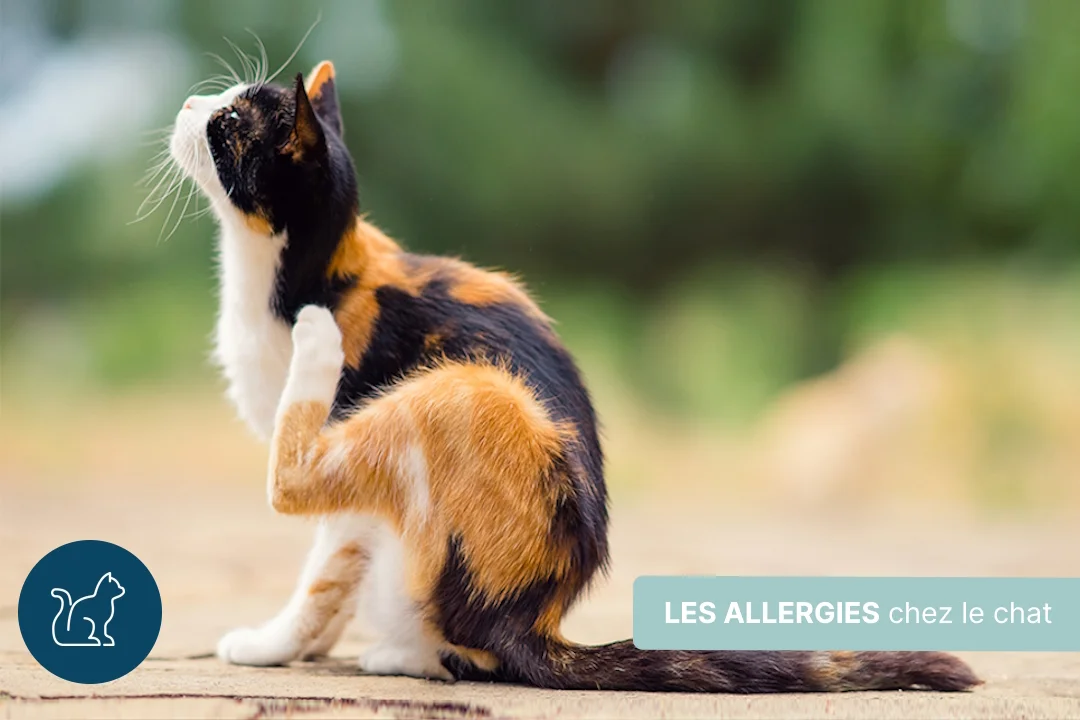
Itching is one of the most common symptoms of allergies in cats. Cats may frequently scratch, bite or lick their skin and hair to relieve themselves. This can lead to skin lesions such as scabs, sores or areas of bare skin. Cats may also scratch their face or ears, which can lead to abrasions and irritation.
Similarly, the animal's skin may be reddened, with areas of bare skin or lesions. Allergic dermatitis can affect any part of the cat's body, but is often localized to the neck, head, ears and base of the tail.
Breathing difficulties
Sneezing andrunny nose are common symptoms in cats suffering from respiratory allergies. The cat or kitten may also present flu-like symptoms, such as a dry cough andwheezing. Asthma attacks should also alert you.
Gastrointestinal problems
Food allergies can lead to gastrointestinal symptoms such as vomiting and diarrhea. The cat may also lose weight and lack appetite. These allergies are difficult to diagnose, as gastrointestinal symptoms can also be caused by other illnesses.
Furthermore, it's important to note that allergy symptoms in cats can be exacerbated by secondary infections, such as bacterial or fungal skin infections, which can occur when the skin is constantly irritated by itching. Early diagnosis and treatment are therefore essential to avoid complications.

Causes of cat allergies
The study of the causes of allergies in cats is still an evolving field of research, but some leads are being put forward by veterinary specialists. Allergies may be linked to genetic predisposition. Research has also shown that certain breeds of cat, such as Siamese or Persian, are more likely to develop allergies than others.
In addition to genetic factors,excessive exposure to allergens is also a key factor in the development of these feline allergies. The most common include dust, dust mites, pollen, mold and cigarette smoke. Our companions are exposed to these allergens in their domestic environment, but also outdoors, for those of our pets who are used to going outside.
On the other hand, an inadequate or poorly balanced diet can weaken a cat's immune system, making it more susceptible to developing allergies. Industrial foods containing artificial colors, preservatives or flavors can be an additional risk factor.
Finally, skin conditions of bacterial or fungal origin can make a cat's skin more sensitive to allergens. Irritating or toxic chemicals in the environment can also contribute to the development of allergies by affecting the skin and immune system.
Of course, the causes of allergies in cats vary from one animal to another. Veterinary specialists recommend consulting a doctor as soon as the first symptoms of allergy appear, so that the exact cause can be quickly determined and appropriate treatment put in place.
Treatments for cat allergies
Treatment of cat allergies depends on the type and severity of the allergy. Here are some common treatment options:
- Antihistamines: these medications can help relieve mild to moderate allergy symptoms, such as itching and sneezing.
- Corticosteroids: these anti-inflammatories can be administered orally, by injection or topically to treat more severe allergies.
- Immunotherapy: also known as desensitization, this involves the progressive administration of a small amount of allergen to help the cat develop tolerance.
- Hypoallergenic diets: these dietary adaptations can help reduce allergic reactions in some cats.
- Topical treatments: shampoos and sprays can help reduce skin allergy symptoms.
Feline allergies: finding the cause to treat it properly
As you can see, it's important to consult a veterinarian if you suspect your cat is suffering from allergies. He or she can then carry out tests to determine the allergen responsible and recommend the most appropriate treatment for your cat. In addition, he or she will monitor your pet's general health to ensure that allergies are not causing other complications, such as ear infections or respiratory problems.
Do you have questions about treating and preventing allergies in your cat? Ask us in comments ↓
-
 Horse advice
Sarcoids & warts in horses, how to treat them?
15 February 2025
Read moreMany of you have asked us about Sarcoid Balm and our Lore & Science oral products.
What is sarcoid?
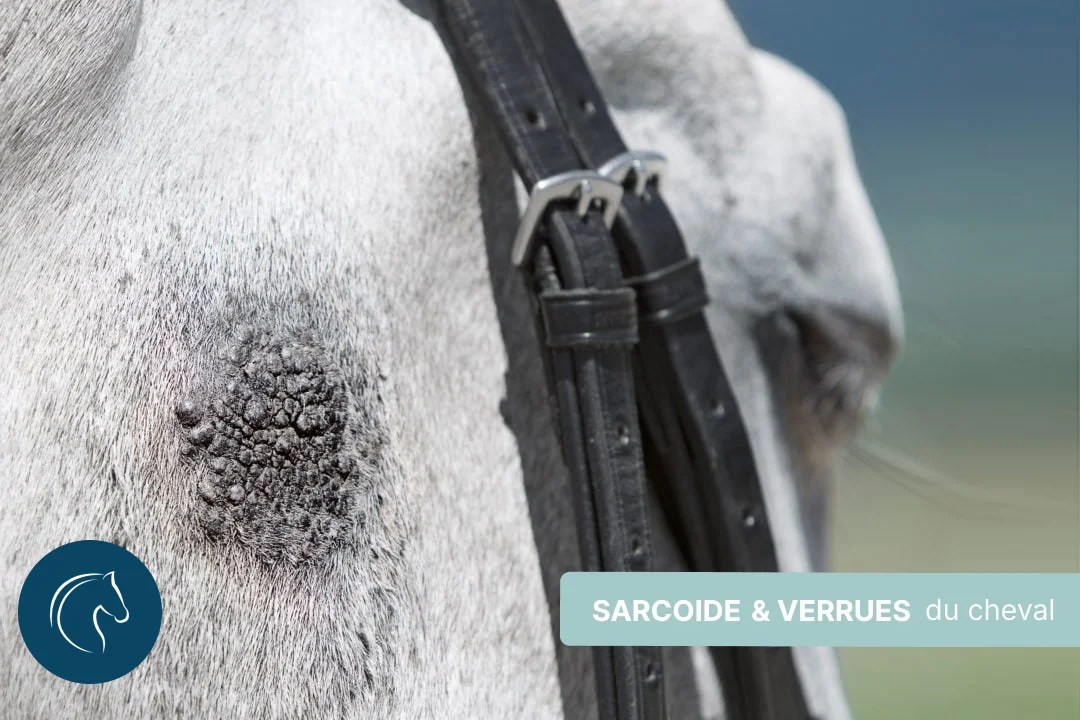
Unfortunately, equine sarcoids are all too common skin tumors. There are several types; flat sarcoids, verrucous sarcoids, nodular sarcoids or fibroblastic sarcoids. There are also warts, papillomas...
However, they all have the same origin! They develop thanks to viruses present in the body in latent form.
What does that mean?
It is a virus that remains hidden in the body without any signs of disease or infection, until it decides to manifest itself as a sarcoid on the surface of the skin.
Why does it occur?
As soon as thebody is weakened! Convalescence, over sports efforts, stress, fatigue, infectious diseases such as lyme, leptospirosis, piroplasmosis ...
The body is then overloaded with toxins and acids, the organs get tired and theimmune system is weakened.
That's why it's so important to detoxify and drain your horse regularly. Prevention is better than cure!
How to act when the Sarcoid is there?
Our team is at your disposal to find solutions for your horse, you can reach a consultant via our form.
Mary Ann's testimony
We have had excellent results, including on advanced cases as Mary Ann testifies;
"Dear Lore & Science,
After two years, I just wanted to let you know the results of your treatment protocol for my horse, with some photos.
➤ October 2012: the beginning of sarcoids on the inner thigh and three under the belly are seen.
➤ November 2014: sarcoids take off with Sarc-X ointment.
➤ February 2015: I contact you for information on your Sarcoid balm and send the March 2015 photo where the sarcoid is really starting to "come out"!
➤ At the beginning of April I contact you and you suggest a more aggressive treatment protocol by mouth. I start right away and the sarcoid is progressing at a high rate daily.
➤ In early May, we bring the mare to the clinic because she has made a big infection and they put a strangling bandage to the wart with a product also based on plants, the wart falls very quickly. When she came back the vets told me to continue the Lore & Science treatment. The warts under the belly have been gone for a while and the first scab is falling off (photo from May 2015).
➤ Healing is taking good shape in just 3 months (photos from August 2015).
➤ Today, almost two years later, nothing is seen except a starry but flat scar and no recurrence of sarcoid.
If this history can help your clients, these sarcoids are a "bitch" and if surgery or other procedures can be avoided with your products, I remain at your disposal for any further information and thank you again for the protocol you have advised.
I must confess that I was called irresponsible by many people who did not understand why I was treating her with "plants". I had to fight and close my ears because I had read so much about it that I was convinced that your products were the best solution."
A huge thank you to Mary-Ann for this precious testimony, which pushes us every day to help you the best we can.
Share your experience with us in the comments ↓
On sale
100% natural guaranteed solutions















Paiement
Sécurisé

100% végétal
sans ogm

Fabriqué
en france

Livraison
rapide

Sans agents
chimiques
Newsletter Lore&Science
Subscribe and
Subscribe and
get 10% off